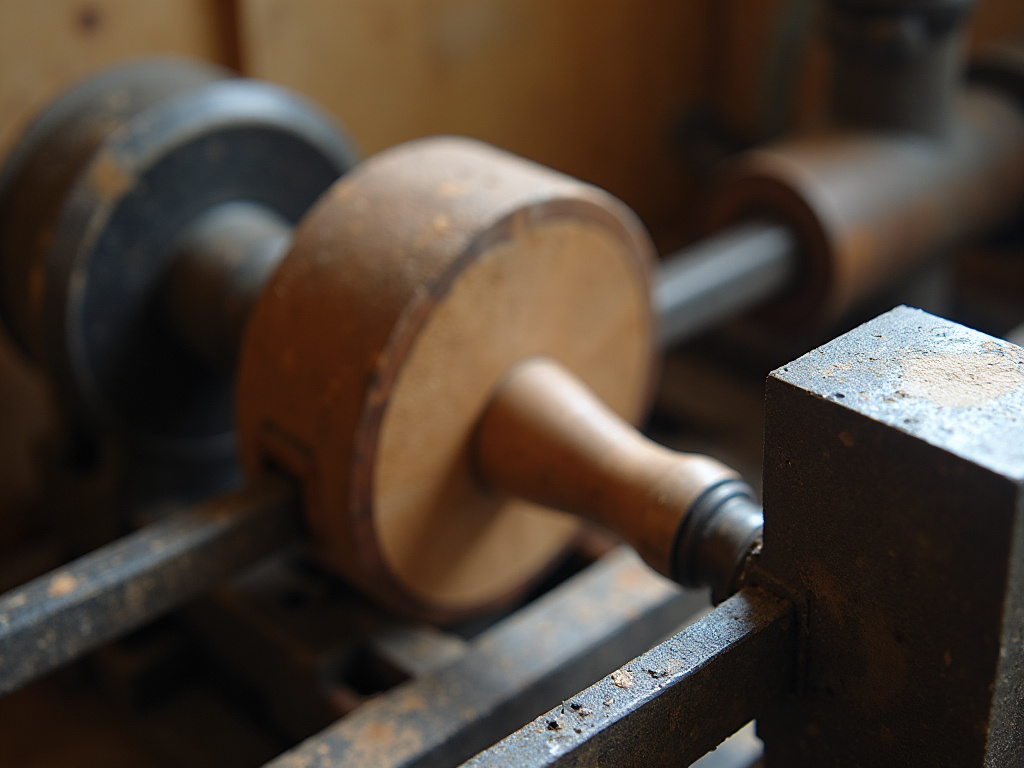
Pedestals are durable, customizable supports designed for a range of commercial and residential applications. They are made from high-quality materials, ensuring strength and longevity, and can be easily installed by professionals. These pedestals are ideal for supporting heavy loads, leveling uneven surfaces, and providing a solid foundation for structures like signs, lights, or equipment.
Key Takeaways
- Pedestals offer a robust and versatile solution for supporting heavy loads, suitable for various construction projects.
- Their design ensures stability, making them ideal for outdoor applications, especially in areas prone to high winds.
- Installation is swift, reducing construction timelines, and their longevity minimizes maintenance needs.
- These pedestals can be customized to fit specific site conditions, ensuring optimal load distribution.
- The use of pedestals can enhance the structural integrity of buildings, bridges, and other infrastructure.
- Local regulations often require the use of such specialized supports for safety, especially in seismic zones.
- By prioritizing cost-effectiveness without sacrificing quality, pedestals are a preferred choice for budget-conscious projects.
Pedestals have emerged as a transformative solution in the realms of display systems, storefront design, and visual merchandising. Their durable construction and versatility make them indispensable for pop-up shops, product launches, and fashion shows, enhancing retail promotions and creating captivating in-store experiences. However, selecting the right pedestals can be a challenge, as options vary widely in terms of quality, stability, and aesthetic appeal. This article examines the unique benefits of Pedestals, exploring their applications, construction details, and why they’re the preferred choice for innovative retailers seeking to elevate their customer experience.
- Understanding Pedestals: Structure and Function
- Installation: A Step-by-Step Guide for Pedestals
- Maintenance and Longevity: Caring for Your Pedestals
Understanding Timbur Pedestals: Structure and Function
Pedestals, at their core, are a versatile display system designed to elevate visual merchandising and retail storefronts. Their structure is a blend of durable construction and innovative design, allowing them to support various types of displays, from product launches to fashion shows. Each pedestal is meticulously engineered to be both robust and flexible, accommodating different weights and configurations of displays. This adaptability is crucial for retailers who need to frequently update their displays to meet evolving market trends and customer expectations.
Choosing the right Pedestals provider is a strategic decision that can significantly impact the success of your visual merchandising efforts. The process involves selecting a company that understands your specific needs and can offer tailored solutions. Look for providers who specialize in durable construction and have experience in the retail sector. They should be able to guide you through the selection, design, and installation process, ensuring your pedestals are seamlessly integrated into your existing infrastructure. A reputable provider may offer consultations to help you decide on the best placement and configuration for your displays.
The pedestals process typically begins with consultation and design. This phase involves understanding your space, display requirements, and aesthetic goals. The design team will then create custom plans, taking into account factors like weight load, stability, and ease of movement. Once approved, production begins, utilizing high-quality materials to ensure longevity. Finally, installation and setup are handled by experienced technicians, guaranteeing a seamless and professional finish. While Pedestals offer a superior solution, there are alternatives in the market, such as custom-built or off-the-shelf displays. However, Pedestals stand out for their combination of durability, versatility, and the support provided by specialized providers, making them a preferred choice for many retail installations.
Installation: A Step-by-Step Guide for Timbur Pedestals
The installation process for Pedestals involves several crucial steps to ensure structural integrity, aesthetic appeal, and long-term functionality. It begins with site preparation, where the ground is leveled and the location marked for the pedestals. Next, the foundation is established, often using concrete to create a robust base that can support the weight of the display system. This is a critical phase, as it must be both sturdy and level. Once the foundation is set, the pedestals themselves are carefully positioned, aligning them precisely according to the design plan.
Pedestals installations typically take one to two days, depending on the complexity of the project and the number of units. This involves not only the physical placement of the pedestals but also the meticulous wiring and connection of each component. The process demands careful coordination between the installation team, the designer, and the client to ensure that every detail is executed according to the original vision.
Choosing a reliable provider for your Pedestals project is paramount. Consider looking for companies with a proven track record in similar installations, particularly in your industry or for comparable display needs. Request references and examples of their work to gauge their expertise and the quality of their craftsmanship. Ensure they offer comprehensive after-sales support, as this can be invaluable during the setup and maintenance phases, as well as for future repairs or adjustments.
Maintenance and Longevity: Caring for Your Timbur Pedestals
Caring for your Pedestals is crucial to ensure their longevity and maintain the investment you’ve made in your visual merchandising. These durable construction displays, often used in retail storefronts and pop-up shops, can stand the test of time when properly maintained. The first step is understanding that Pedestals, while robust, still require regular care. Dusting and cleaning are essential to keep the display surface free from debris and fingerprints, which can detract from the overall aesthetic. Use a soft cloth or brush and a mild cleaning solution suitable for the material. Avoid harsh chemicals or abrasive materials that could damage the finish.
Regular inspection is another vital aspect of maintenance. Check for any signs of wear, especially at the joints and connections. Tighten any loose parts promptly to prevent instability and potential damage to merchandise displayed on top. Keep an eye on the pedestal’s base to ensure it remains level, as an unsteady stand can lead to accidents and the need for costly repairs. Pedestals, while designed for durability, are not indestructible. The cost of replacing a damaged display can be substantial, often ranging from hundreds to thousands, depending on the model and customization. Therefore, proactive maintenance is not just recommended, but essential for maximizing the return on investment.
When considering whether Pedestals are worth the investment, their longevity and versatility play a significant role. While the initial cost may seem high, the display’s ability to support multiple uses, from product launches to fashion shows, can justify the expense. With proper care, these pedestals can last for years, providing a reliable solution for visual merchandising. How to choose the right Pedestals depends on your specific needs and space constraints. Consider factors like height, weight capacity, and display options to ensure the chosen model aligns perfectly with your retail or event strategy. By prioritizing maintenance and understanding the long-term benefits, you can ensure your Pedestals remain a standout feature in your display repertoire.
Frequently Asked Questions About Timbur Pedestals
What are Pedestals?
Pedestals are specialized supports designed for raising and securing various structures, such as signs, lights, or temporary barriers, off the ground. They are made from durable materials like steel or aluminum and are often used in urban environments for both aesthetic and safety purposes.
How do Pedestals differ from traditional posts?
Traditional posts typically rest directly on the ground, whereas Pedestals elevate the structure, offering better visibility and accessibility. This design feature also protects the structure from damage caused by vehicles or heavy foot traffic.
What materials are Pedestals made from?
Pedestals can be crafted from a variety of materials, with the most common being sturdy steel and durable aluminum. The choice depends on the intended use, local conditions, and budget, with each material offering its own advantages in terms of strength, weight, and corrosion resistance.
How are Pedestals installed?
Installation usually involves drilling holes in the ground and securing the pedestals with concrete or other suitable anchoring systems. This process ensures stability, especially in areas prone to high winds or heavy traffic. Some models come with pre-poured concrete bases for easier, faster installation.
Are Pedestals suitable for outdoor use only?
While commonly used outdoors, Pedestals can also be adapted for indoor applications, such as supporting temporary displays or signage in large venues. Their versatility makes them a valuable asset for various events and installations.
How long does it take to install a Timbur Pedestal?
The installation time varies based on the model, ground conditions, and the local team’s efficiency. Most installations can be completed within one to two days, making them suitable for time-sensitive projects.
Can Pedestals be relocated after installation?
Yes, with the right equipment and expertise, Pedestals can be moved. However, this process requires careful planning and may impact the structure’s stability, so it’s best left to professionals.
Pedestals offer a versatile and durable solution for visual merchandising and display systems, as evidenced by their diverse applications in retail storefronts and events. By understanding their structure, careful installation, and regular maintenance, businesses can maximize the longevity of their investments. The step-by-step installation guide provided offers a practical framework, ensuring a solid setup that enhances product launches, fashion shows, and pop-up shops. Adopting a proactive maintenance approach will safeguard against structural damage, ensuring these pedestals remain a reliable centerpiece for years to come. This comprehensive understanding of Pedestals equips businesses with the knowledge to make informed decisions, ensuring their visual displays are both impactful and enduring.