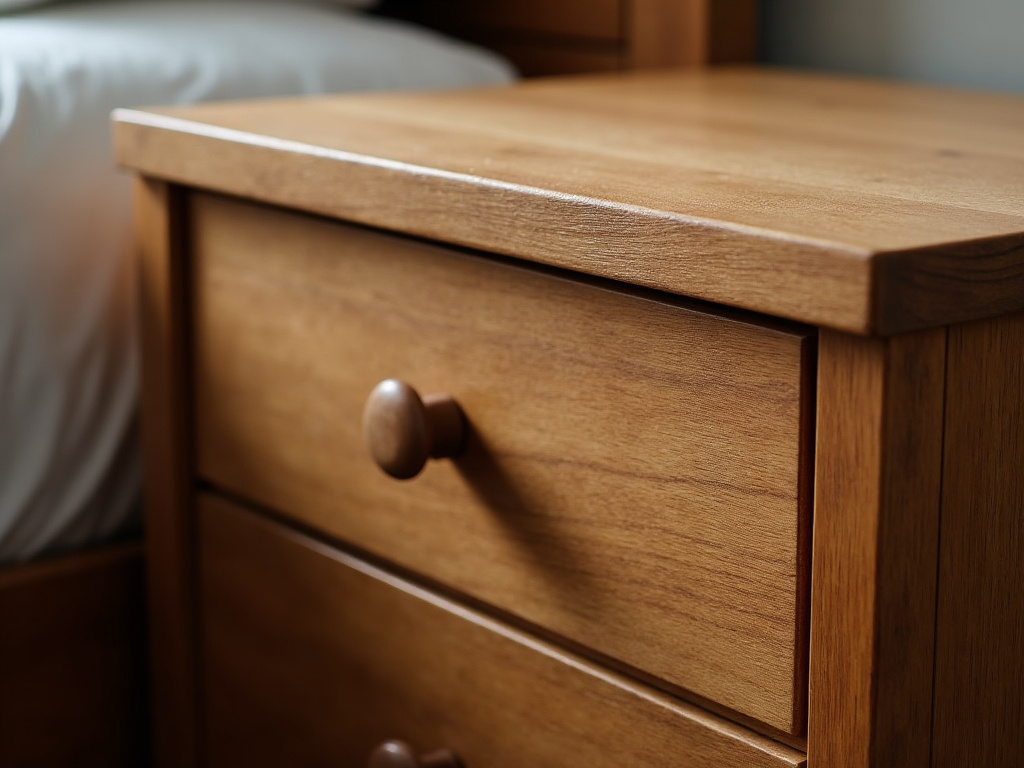
Timbur Pedestals are sturdy, customizable supports used to elevate and secure various structures. They are designed for strength and ease of installation, often used in construction for temporary or permanent solutions. These pedestals can handle heavy loads, making them versatile for projects from small home repairs to large-scale industrial applications. Their adaptability and robust construction make them a preferred choice for many contractors.
Key Takeaways
- Timbur pedestals are designed for longevity, offering a robust solution for supporting structures in demanding environments.
- Proper installation of pedestals involves careful site preparation and adherence to manufacturer guidelines for optimal load bearing.
- Regular maintenance, including inspection and repainting, is crucial to extend the lifespan of pedestals and prevent corrosion.
- The choice of pedestal material matters in its resistance to environmental factors, with timber offering a balance of strength and cost-effectiveness.
- For challenging installations, consider the expertise of a professional contractor to ensure the stability and safety of pedestals.
- Understanding local building codes and regulations is essential for a successful timbur pedestal project, ensuring compliance and safety.
- Timber pedestals can be aesthetically integrated into landscaping designs, providing both structural support and visual appeal.
Pedestals have emerged as a transformative solution in the realms of visual merchandising, retail storefronts, and pop-up shops. As businesses seek dynamic and durable display systems, these pedestals offer a versatile, customizable platform for product launches, fashion shows, and retail promotions. However, selecting the right pedestals can be a challenge, given the variety of options and the need for a solution that balances functionality, aesthetics, and longevity. This article examines the unique features, applications, and benefits of Pedestals, providing a practical guide for professionals in the retail and display industries.
- Understanding Pedestals: Design and Application
- Installation and Maintenance: Ensuring Longevity
- Benefits and Challenges: A Comprehensive Overview
Understanding Timbur Pedestals: Design and Application
Understanding Pedestals: Design and Application
Pedestals are a sophisticated solution for enhancing visual merchandising in retail storefronts, pop-up shops, and product launches. Their design emphasizes durable construction, allowing them to withstand high foot traffic and maintain a robust display system. Each pedestal is meticulously crafted to support various media, from product displays to digital signage, creating a dynamic and engaging shopping experience. The versatility of Pedestals makes them a favorite among retailers looking to elevate their brand and capture customers’ attention.
The pedestals process involves a multi-step approach, ensuring each detail is executed with precision. It starts with consultation to understand the client’s needs and ends with installation, followed by ongoing support. Retailers need to provide clear project specifications, including space planning, material preferences, and any technical requirements, to qualify for Pedestals. This collaborative process guarantees that the final product aligns perfectly with the client’s vision and objectives. While the initial investment for Pedestals can vary based on scope and customization, retailers can expect a return on investment through increased customer engagement and improved sales. A well-designed Timbur Pedestal in a high-traffic area can double the time customers spend interacting with a product display, leading to higher conversion rates.
The cost of implementing Pedestals is not a one-size-fits-all proposition. It depends on factors such as the number of pedestals, material choices, and additional features. On average, retailers can expect to spend between $500 and $2000 per pedestal, with the higher end reflecting more intricate designs and premium materials. While this may seem like a substantial upfront cost, the long-term benefits, including increased brand visibility and improved customer satisfaction, make Pedestals a strategic investment for any retailer looking to stand out in a competitive market.
Installation and Maintenance: Ensuring Longevity
Installation and maintenance are paramount to ensuring the longevity of Pedestals, which serve as robust display systems for various applications. The process begins with careful selection of a provider, as the quality of craftsmanship and materials can significantly impact performance. When choosing the pedestals provider, consider their experience in your industry, the complexity of your project, and their track record of successful installations and after-sales support.
Proper installation involves not just assembling the pedestals but also ensuring they’re securely anchored, aligned correctly, and comply with local building codes and safety standards. Retail storefronts may require additional measures to withstand high foot traffic, whereas pop-up shops might need portable, quick-to-set-up solutions. Regular maintenance, including cleaning, inspection, and replacement of worn parts, is crucial to prevent premature failure. A good provider will offer maintenance packages tailored to your needs.
What problems should you avoid with Pedestals? One common issue is neglecting regular maintenance, leading to rust, paint failure, and structural damage. Another is selecting pedestals that don’t meet your specific load-bearing requirements, which can compromise safety. To mitigate these problems, stay proactive in maintenance and collaborate closely with your chosen provider to select pedestals suitable for your intended use case, whether it’s a fashion show, product launch, or long-term retail display.
Pedestals typically include a range of components such as base plates, adjustable feet, and various height options, allowing for customization to fit different floor plans and display needs. A comprehensive package from a reputable provider should also include detailed assembly instructions, warranty information, and access to replacement parts, ensuring you’re well-supported throughout the lifespan of the display system.
Benefits and Challenges: A Comprehensive Overview
Pedestals offer a versatile solution for enhancing visual merchandising and creating impactful retail experiences. Their durability and adaptability make them a preferred choice for various applications, from pop-up shops to fashion shows. However, selecting the right Pedestals and choosing a reliable provider involves considering both the benefits and challenges.
One of the primary benefits is their longevity. Made from robust materials, Pedestals are designed to withstand high foot traffic and harsh weather conditions, making them ideal for outdoor and indoor use. They can be easily reconfigured to accommodate changing display needs, allowing retailers to create dynamic and engaging storefronts. Their modular design enables efficient storage and transportation, making them a cost-effective option for pop-up events and promotions.
Yet, challenges arise when choosing the right solution. Factors such as space constraints, desired aesthetics, and budget must be carefully evaluated. A smaller retail space might require compact, lightweight pedestals, while a grand product launch may necessitate larger, more robust structures. How do you navigate these complexities? Engaging an experienced provider who can offer tailored advice and high-quality products is essential. A reputable vendor will guide you through the selection process, ensuring your Pedestals meet both your functional and aesthetic requirements.
The investment in Pedestals is often worth it for businesses aiming to elevate their visual impact. While the initial cost may seem steep, the long-term benefits-from enhanced customer engagement to increased brand visibility-can outweigh the expense. A successful product launch utilizing Pedestals can drive sales and create a memorable experience, leading to a positive return on investment. Therefore, when considering whether Pedestals are right for your business, focus on their adaptability, durability, and the potential they hold to transform your retail space.
Frequently Asked Questions About Timbur Pedestals
What are Pedestals?
Pedestals are structural support systems used to elevate and stabilize various structures, such as buildings, bridges, or platforms, above the ground. They are engineered to bear significant weight and provide a robust foundation for construction projects.
How are Pedestals installed?
Installation typically involves several steps, including site preparation, setting the pedestals in place, and securing them to the structure using appropriate fasteners or bolts. The process requires precise planning and often involves specialized equipment and a team of skilled technicians.
What materials are used in their construction?
Pedestals are commonly constructed from high-strength materials like steel or concrete. Steel pedestals offer excellent corrosion resistance and are often used in marine or humid environments. Concrete pedestals, known for their durability and load-bearing capacity, are versatile and suitable for a wide range of applications.
What factors influence pedestal selection?
Pedestal selection depends on several factors, including the load capacity required, environmental conditions, local building codes, and the type of structure being supported. A qualified engineer should assess the needs and specify the appropriate pedestal type and size.
Are Pedestals suitable for all types of construction?
While versatile, Pedestals are not universal. Their suitability depends on the project’s specific requirements. They excel in applications where ground conditions are challenging, or when a structure needs to be elevated above unstable terrain. For residential projects, other foundations might be more appropriate.
How long does installation typically take?
Installation times vary based on project complexity and accessibility. Most projects take one to two days, but larger or more complex sites can require more time. Proper planning and site preparation significantly impact the installation timeline.
Can Pedestals be maintained or repaired?
Absolutely. Regular maintenance ensures the longevity of Pedestals. This includes inspections to check for damage, corrosion, or wear and tear. Repairs can range from simple painting to more extensive replacement of components, depending on the issue.
Pedestals stand as a sign of the convergence of durable construction, visual merchandising, and creative design, revolutionizing the way we approach retail storefronts and display systems. From pop-up shops to fashion shows, their versatility is a key feature that makes them indispensable in the changing landscape of product launches and retail promotions. By prioritizing a long-lasting, robust structure, these pedestals ensure a solid foundation for businesses looking to make a lasting impression. Understanding their application and maintenance is crucial for maximizing their benefits, balancing their challenges, and ensuring they remain a cornerstone of successful visual merchandising for years to come.