Key Takeaways
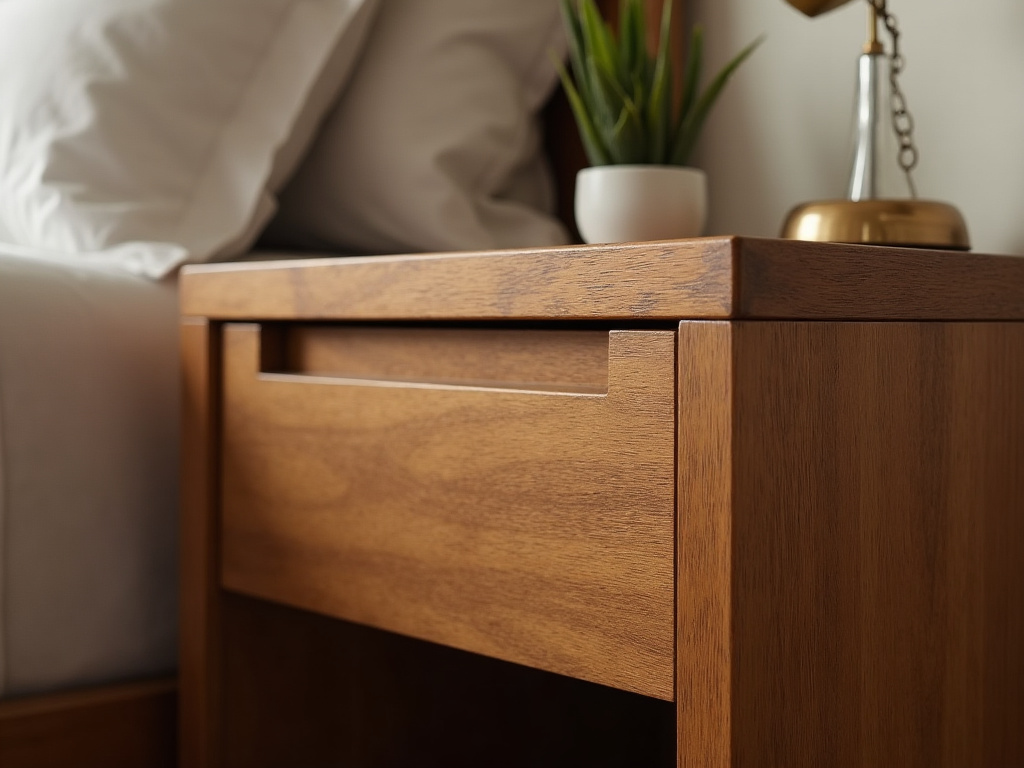
- Timbur pedestals offer a durable and versatile solution for raising fixtures, with various height and load-bearing options to suit different applications.
- Installation time varies, but most projects can be completed by a qualified technician in one to two days, minimizing disruption.
- The pedestals’ design promotes stability and reduces vibration, ensuring the security of the elevated equipment.
- Customizable mounting options allow for easy integration with existing infrastructure, simplifying maintenance and upgrades.
- Timbur pedestals are designed for easy accessibility, making routine service and maintenance tasks more efficient.
- Their compact footprint makes them suitable for confined spaces, maximizing floor area utilization.
- The use of high-quality materials ensures the pedestals’ longevity and resilience against environmental factors.
Pedestals are structural supports used to elevate and secure appliances like washing machines or dishwashers. They come in various sizes and materials, with metal and plastic being common choices. Installation typically involves mounting them to the floor and connecting the appliance, ensuring a level surface and secure, level operation. Most installations take one to two days.
Pedestals have emerged as a transformative solution in the realms of display systems, retail storefronts, and visual merchandising. As businesses seek innovative ways to enhance customer experiences, especially in dynamic settings like pop-up shops and product launches, the need for durable, versatile, and aesthetically pleasing structures is paramount. The problem lies in finding a product that can accommodate these demands while offering long-term reliability. Pedestals, with their unique blend of strength and design flexibility, offer a compelling answer. This article examines the key features, applications, and benefits of Pedestals, providing a practical guide for professionals in the retail and visual merchandising sectors.
- Understanding Pedestals: Design and Application
- Installation and Maintenance: A Step-by-Step Guide
- Benefits and Challenges: Case Studies and Best Practices
Understanding Timbur Pedestals: Design and Application
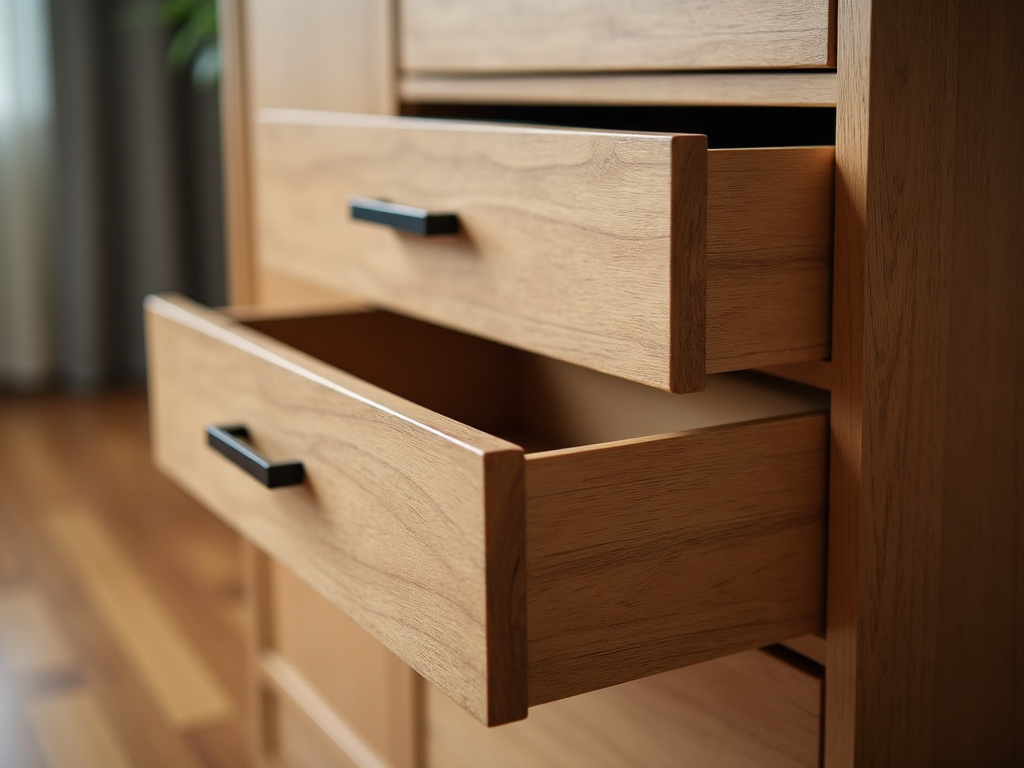
Pedestals are a versatile display system that offers a robust and durable solution for various visual merchandising applications. Their design is tailored to withstand the demands of dynamic retail environments, making them a preferred choice for creating captivating storefronts and pop-up shops. The key to their success lies in a thoughtful balance of aesthetics and strength.
These pedestals are a versatile tool for creating structured displays in retail stores, product launches, and fashion shows. Their customizable nature allows designers to craft eye-catching product presentations, enhancing customer engagement. A retail brand might use Pedestals to showcase new clothing lines, arranging garments and accessories in a visually appealing manner that entices purchases. The system’s durability ensures these displays can withstand heavy foot traffic and the rigors of daily operation, a critical factor for long-term success in the competitive retail landscape.
However, understanding the installation process is essential. Most Pedestals can be set up in one to two days, a relatively quick turnaround compared to some alternatives. While the system is user-friendly, it is crucial to avoid common pitfalls. Improper assembly or incorrect loading can lead to instability and potential safety hazards. Therefore, adhering to the manufacturer’s guidelines and ensuring a competent installer is paramount. The right setup will guarantee the pedestals’ longevity and safety, allowing businesses to maximize their investment.
When considering display solutions, it’s worth comparing Pedestals with alternatives. While some competitors offer similar visual merchandising tools, Timbur’s unique design and construction set it apart. Its strength and stability, coupled with a modern aesthetic, make it a top choice for forward-thinking retailers. By understanding the system’s capabilities and potential challenges, businesses can make informed decisions, ensuring their visual merchandising strategies are both effective and safe.
Installation and Maintenance: A Step-by-Step Guide
The installation and ongoing maintenance of Pedestals, while seemingly straightforward, require a methodical approach to ensure structural integrity and visual appeal. These versatile displays, frequently employed in retail storefronts, pop-up shops, and product launches, must be handled with care to avoid damage and ensure longevity.
The first step in the installation process involves meticulous planning. It’s crucial to understand the intended use of the pedestals-will they support heavy merchandise or merely display lightweight items? This determination guides material selection, with Pedestals offering a range of options for different load capacities. Once the material is chosen, site preparation becomes paramount. The area must be cleared, leveled, and inspected to ensure stability. This includes addressing any potential issues with the floor’s surface, such as unevenness or protruding debris, which could compromise the pedestals’ stability.
Proper assembly is paramount. Each pedestal component must be fitted with precision, following the manufacturer’s guidelines. The use of the correct tools and the application of recommended adhesives or fasteners are critical to achieving a robust, long-lasting structure. During installation, it’s essential to maintain a safe distance from the work area, allowing for the manipulation of heavy materials and tools. Once assembled, a thorough inspection is warranted, checking for any signs of stress, misalignment, or damage.
For maintenance, a proactive approach pays dividends. Regular cleaning with mild, non-abrasive detergents and a soft cloth helps preserve the pedestals’ visual appeal. For outdoor installations, consider weatherproofing treatments to shield against the elements. Periodic load testing ensures the pedestals remain structurally sound, especially in high-traffic areas. Understanding the alternatives to Pedestals, such as traditional display racks, and knowing when to opt for them based on budget and specific needs, is also key. Choosing the right Pedestals and practicing meticulous installation and maintenance will ensure these displays remain a robust and attractive component of any retail environment, avoiding potential issues that could arise from neglect or improper use.
Benefits and Challenges: Case Studies and Best Practices
The strategic use of Pedestals can significantly enhance visual merchandising and product displays, particularly in retail storefronts and pop-up shops. These durable, customizable displays offer a versatile solution for creating engaging, dynamic spaces. However, selecting and implementing them effectively requires careful consideration.
What do you need to qualify for Pedestals? Understanding your specific needs and budget is crucial. Pedestals are suitable for a range of applications, from showcasing new product lines at launch events to creating immersive experiences for fashion shows. Key factors to consider include display requirements (size, weight, number of levels), intended use (temporary or permanent), and the level of customization needed.
Choosing the right provider is essential to avoid potential pitfalls. How do you choose the pedestals provider? Look for companies with a proven track record, industry expertise, and a deep understanding of your specific project needs. Inquire about material quality, customization options, lead times, and after-sales support. Reputable providers will offer transparent pricing and flexible options to meet your budget and timeline. Some companies may specialize in lightweight, portable displays for pop-up shops, while others focus on robust, long-term solutions for permanent retail environments.
While Pedestals offer numerous benefits, there are challenges to be aware of. What problems should you avoid with Pedestals? One common issue is overcomplicating the design, leading to costly delays. Keep the display purpose and target audience in mind; avoid unnecessary features that could increase price and maintenance. Ensure the provider understands local regulations and building codes, especially when installing permanent pedestals. Proper maintenance and regular cleaning are essential to ensure longevity and maintain the display’s aesthetic appeal.
Frequently Asked Questions About Timbur Pedestals
What are Pedestals?
Pedestals are specialized support structures designed for installing and securing various fixtures and equipment in both residential and commercial settings. They are known for their versatility, durability, and ease of installation, making them a popular choice among contractors and do-it-yourselfers.
What types of fixtures can be mounted on Pedestals?
Pedestals can support a wide range of fixtures, including lights, signs, security cameras, satellite dishes, and even small air conditioning units. Their adjustable design allows for a variety of mounting configurations, ensuring the right fit for any equipment.
Are Pedestals easy to install?
Absolutely. Pedestals are engineered for simplicity. They typically come with clear, step-by-step instructions and all necessary hardware. Most installations can be completed by a single person in less than an hour, making them a convenient solution for both professional contractors and homeowners.
What materials are Pedestals made from?
Pedestals are usually constructed from high-quality steel or aluminum. These materials offer excellent corrosion resistance, ensuring longevity even in harsh outdoor environments. Some models may also incorporate plastic components for added stability and ease of installation.
How do Pedestals ensure stability and safety?
Through a combination of robust materials and thoughtful design, Pedestals distribute weight evenly, providing a stable base for the mounted fixture. They often include features like adjustable foot pads and corrosion-resistant hardware to further enhance stability and prevent damage from environmental factors.
Where are Pedestals commonly used?
Pedestals find applications in a diverse range of settings, from residential properties to commercial buildings, parks, and even outdoor advertising sites. Their adaptability makes them a versatile solution for any location where a secure and reliable mounting system is required.
Who should consider using Pedestals?
Any individual or business seeking a quick, easy, and durable solution for mounting equipment should consider Pedestals. They are particularly suited for those who value time-saving installation processes and robust, long-lasting support.
Pedestals emerge as a versatile solution for visual merchandising and display systems, offering both durability and flexibility. By understanding their key features and diverse applications, such as pop-up shops and fashion shows, installations can maximize their benefits. The step-by-step installation and maintenance guide ensures these structures are both efficient to set up and long-lasting. Case studies highlight the successful integration of pedestals in various retail promotions, demonstrating their impact. Moving forward, the challenges identified, from site-specific considerations to logistical complexities, guide best practices that enhance the overall success of timbur pedestal projects. Armed with this knowledge, health sciences program online professionals can confidently leverage this technology to create impactful visual experiences.