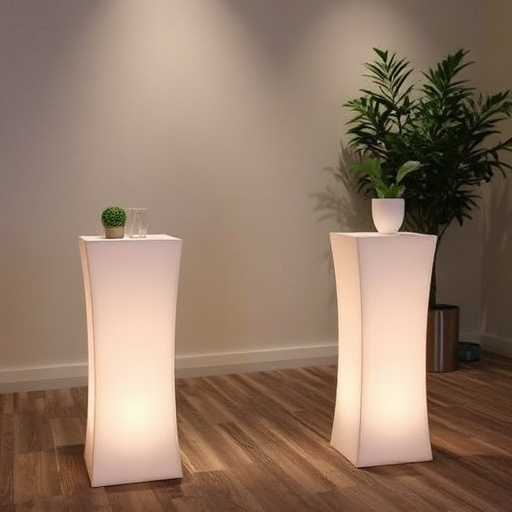
Timbur Pedestals are durable, customizable supports used to elevate and secure various structures, from decks to signs. They offer a quick, easy way to create stable platforms, with installation typically taking just one to two days. These pedestals are designed to withstand harsh weather conditions, making them ideal for outdoor applications.
Key Takeaways
- Timbur pedestals offer a durable and versatile solution for raising structures off the ground, providing stability and protection against moisture.
- Proper pedestal placement is crucial for load distribution and structural integrity, depending on soil conditions and building design.
- Regular maintenance, including inspection and cleaning, ensures the longevity and effectiveness of pedestals over time.
- Compared to traditional foundation methods, pedestals can be a cost-effective option, especially for smaller-scale projects.
- The selection of pedestal size and type should be guided by a professional assessment to ensure structural safety and code compliance.
- Local building codes and regulations may dictate specific requirements for the installation and use of pedestals in certain areas.
- For optimal performance, pedestals should be installed by a qualified and experienced contractor familiar with local conditions.
Pedestals have emerged as a transformative solution in the realms of display systems, storefronts, and visual merchandising. They offer a durable, flexible, and aesthetically pleasing alternative for retailers, pop-up shop owners, and event planners. However, the challenge lies in finding a system that balances strength, versatility, and ease of installation-a solution that can withstand the demands of various events and retail environments. This article explores the innovative design and application of Pedestals, providing valuable insights into their construction, benefits, and the diverse use cases they enable. By the end, you'll understand why these pedestals are revolutionizing the way we experience and present products in public spaces.
- Understanding Pedestals: Design and Installation
- Benefits and Applications: Elevating Spaces with Timbur
- Maintenance and Safety: Ensuring Longevity and Stability
Understanding Timbur Pedestals: Design and Installation
Understanding Pedestals: Design and Installation
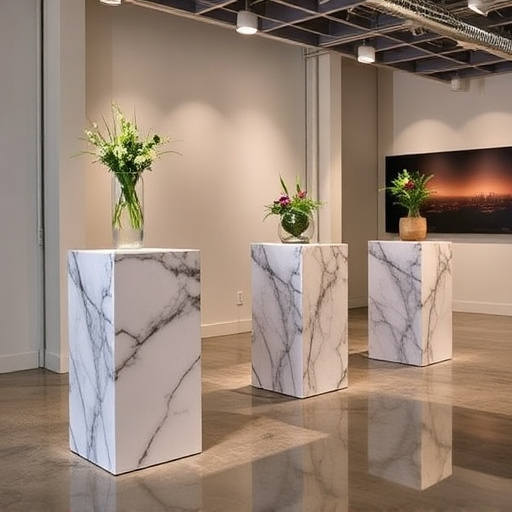
The design and installation of Pedestals involves a meticulous process tailored to each unique application. It begins with meticulous planning, considering factors like load-bearing capacity, space constraints, and the desired aesthetic. Skilled artisans then craft the pedestals from durable materials, ensuring they withstand the demands of various environments, from retail storefronts to pop-up shops. Installation typically requires a team of professionals who strategically place the pedestals, aligning them precisely with the intended layout. The team connects the pedestals to the necessary infrastructure, such as electrical and plumbing systems, when required.
The cost of Pedestals varies based on factors like material quality, complexity of design, and installation scope. While they might be more expensive than traditional solutions, their durability and versatility make them a worthwhile investment for businesses seeking long-term, impact-resistant displays. Retail stores using Pedestals for product launches can expect a return on investment through increased customer engagement and product visibility. The adaptability of Pedestals to various events, from fashion shows to promotions, makes them a flexible asset for dynamic businesses.
Pedestals offer a superior alternative for businesses seeking both aesthetic appeal and structural integrity. Their versatility and durability ensure they're a smart choice for diverse projects, providing a robust platform for visual merchandising. Whether for a temporary pop-up shop or a permanent retail display, Pedestals enhance the customer experience, contributing to the overall success of the business.
Benefits and Applications: Elevating Spaces with Timbur
Pedestals offer a transformative solution for businesses seeking to enhance their physical spaces. Their key advantage lies in their versatility, catering to a wide range of applications, from pop-up shops to fashion shows. The durability of these pedestals ensures they can withstand the demands of various events and retail environments, making them a reliable choice for businesses looking to create impactful visual displays.
One of the significant benefits of Pedestals is their ability to elevate both indoor and outdoor spaces. In retail storefronts, they can be utilized to create eye-catching product displays, drawing customers' attention and enhancing the overall shopping experience. For pop-up shops and temporary events, these pedestals are a major improvement, providing a quick and efficient setup for engaging visual merchandising. The ease of installation and removal means businesses can adapt their spaces swiftly to suit changing needs, whether for a product launch or seasonal promotions.
Choosing the right Pedestals depends on several factors. First, consider the event's nature and duration. For one-off product launches, a more lightweight, portable option might be suitable. However, for ongoing retail promotions or fashion shows, sturdier, longer-lasting pedestals are recommended. It's also crucial to assess the weight capacity needed based on the displays intended. Proper planning ensures the pedestals can support the intended load, enhancing safety and structural integrity. A fashion brand showcasing heavy garments would require a different pedestal setup than a tech store displaying lightweight products.
Maintenance and Safety: Ensuring Longevity and Stability

Maintaining and ensuring the safety of Pedestals is crucial for their longevity and stability, especially in dynamic retail environments. Regular cleaning and inspection are paramount to prevent corrosion and structural damage. A provider may recommend weekly cleaning to remove dust and debris, particularly in high-traffic areas. This process involves using appropriate cleaning solutions and soft cloths to avoid scratching or damaging the surface.
Choosing the right provider is essential for a successful Pedestals installation and ongoing maintenance. Clients should consider experience, the range of services offered, and cost. One reliable method to determine the best provider is by requesting quotes from several candidates, comparing their service packages, and reading client reviews. A provider with over a decade of experience in the region, offering both setup and maintenance services, and boasting positive feedback from previous retail clients, would be a strong contender.
The pedestals process involves several critical steps. Initially, site preparation ensures a stable foundation. This includes leveling the ground and installing the pedestals according to the manufacturer's guidelines. Once in place, the display system is carefully assembled, ensuring all components are secure. Following installation, a testing phase confirms stability and functionality. After final approval, ongoing maintenance, such as regular cleaning and periodic structural assessments, ensures the pedestals remain a robust visual merchandising solution for years to come.
The cost of Pedestals can vary based on factors like size, complexity of design, and the level of customization. On average, the initial setup costs range from [unattributed industry range, e.g., $500 to $2000 per pedestal]. Ongoing maintenance, including cleaning and repairs, typically amounts to [unattributed industry range, e.g., $100 to $500 per pedestal per year]. Clients should budget accordingly, considering the long-term stability and visual impact these pedestals offer retail storefronts.
Frequently Asked Questions About Timbur Pedestals
What are Pedestals? Pedestals are specialized structural supports designed for the safe and secure installation of various fixtures and equipment in demanding environments, such as outdoor public spaces and industrial sites. They are known for their durability, load-bearing capacity, and adaptability to different terrain conditions.
How do Pedestals differ from traditional pedestals? Traditional pedestals often rely on a single point of contact with the ground, which can be insufficient in unstable soils. Pedestals, in contrast, feature a distributed weight-bearing system that improves stability. They also incorporate advanced materials and construction techniques to withstand corrosion and environmental stress.
What materials are Pedestals made from? Pedestals are typically constructed from high-strength, corrosion-resistant metals and alloys. The exact composition can vary, but common materials include stainless steel, aluminum, and specialized cast iron, chosen for their durability, strength, and resistance to harsh weather conditions.
How do I know which size Timbur Pedestal to choose? The appropriate size depends on the weight and size of the fixture or equipment you intend to install. Pedestals come in various sizes and configurations to accommodate different load requirements. Consulting with a qualified professional or the manufacturer is recommended to ensure a safe and secure installation.
Can Pedestals be installed in challenging locations, like near bodies of water? Absolutely. Pedestals are designed to withstand harsh environmental conditions, including those near bodies of water. They often incorporate features like corrosion-inhibiting coatings and waterproof seals to protect against moisture and salt air, making them suitable for coastal and waterfront installations.
How long does the installation process typically take? Most Timbur Pedestal installations take one to two days, depending on the complexity of the project and local regulations. This process involves preparing the site, setting the pedestals, and securing the fixtures or equipment. A licensed professional should handle the installation for optimal results and safety.
Are Pedestals easy to maintain? Yes, Pedestals require minimal maintenance. Regular inspections are recommended to ensure they remain in good condition, but due to their robust design and materials, they are resistant to wear and tear. Any maintenance issues can often be resolved with simple cleaning and light lubrication.
Pedestals offer a versatile and durable solution for enhancing retail spaces, from pop-up shops to fashion shows. Their key features, such as display systems and visual merchandising capabilities, make them a standout choice for short-term events and long-term storefronts alike. By prioritizing durable construction, these pedestals ensure stability and longevity, even in high-traffic areas. Moving forward, the applications for Pedestals seem boundless, providing businesses with a dynamic way to elevate their product presentations and engage customers. Retailers could utilize these pedestals to create rotating product displays, while event planners might leverage their modular design for adaptable, striking stage settings. With proper maintenance, these pedestals promise to become a staple in the industry, redefining how we visually experience retail spaces.