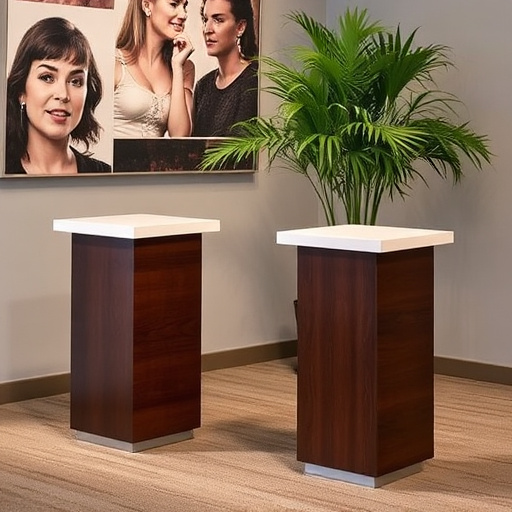
Timbur Pedestals are sturdy, customizable supports used in construction and repair, especially in Jacksonville. They're designed to safely hold and stabilize objects like shelves or beams while work is being done, ensuring stability and making projects like installing new cabinets or repairing roof trusses easier and safer.
Key Takeaways
- Timbur Pedestals offer a durable and cost-effective solution for raising objects off the ground, ideal for various industrial and commercial applications.
- Choosing the right pedestal size and material is crucial; consider load capacity, environmental conditions, and the nature of the objects being supported.
- Proper installation is key to ensuring stability and safety; follow manufacturer guidelines and consider professional assistance for complex setups.
- Regular maintenance, including inspection and lubrication, extends the lifespan of Pedestals and prevents costly failures.
- Innovative designs, such as adjustable height and swiveling bases, offer increased versatility and adaptability to diverse work environments.
- Integrating Pedestals into workflow systems can optimize space, enhance efficiency, and reduce the risk of workplace injuries.
- Choosing locally sourced Pedestals can lead to faster delivery, reduced shipping costs, and potential support from regional suppliers.
In the dynamic world of visual merchandising, captivating retail displays are essential to draw in customers and elevate brand presence. However, the challenge lies in creating structures that are both visually stunning and durable enough to withstand the demands of various events and installations. This is where Pedestals emerge as a pivotal solution, offering a revolutionary approach to retail storefronts and pop-up shops. These pedestals, crafted from durable materials, provide a robust yet flexible framework for dynamic product displays. By seamlessly integrating advanced display systems, Pedestals transform spaces, ensuring a captivating experience for shoppers during product launches, fashion shows, and promotions, ultimately driving sales and brand engagement in the competitive Jacksonville market.
- Understanding Pedestals: Structure and Function
- Installation and Setup: A Step-by-Step Guide
- Maintenance and Safety: Ensuring Longevity and Reliability
Understanding Timbur Pedestals: Structure and Function
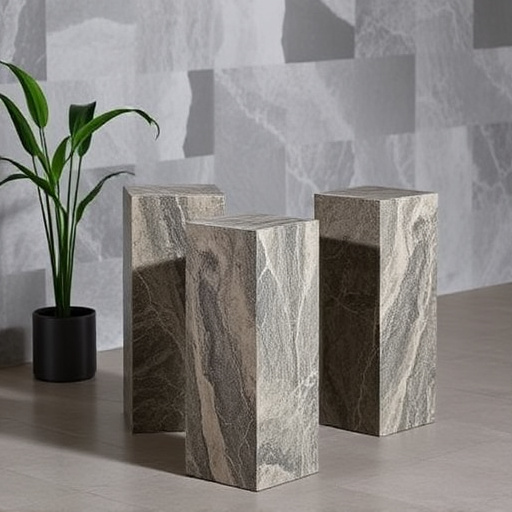
Pedestals, a revolutionary display system, offers a robust and versatile solution for visual merchandising and retail storefronts. Their structure is meticulously designed to support various displays, from product launches to fashion shows, ensuring a captivating and durable presentation. The system's primary function is to elevate retail experiences by providing a customizable and long-lasting platform for visual communication.
The construction of Pedestals is a sign of their durability. Made from high-quality materials, these pedestals are built to withstand the demands of retail environments, ensuring they can support both static and dynamic displays. Assembly typically takes one to two days, depending on the size and complexity of the design, offering a relatively swift setup process. While the initial investment for Pedestals may vary, with prices ranging based on customization, they provide a cost-effective long-term solution for retailers. This is particularly beneficial for pop-up shops and temporary events, where a quick setup and takedown are essential.
To qualify for Pedestals, businesses need to consider their display needs and the desired impact on their customers. Whether it's a new retail storefront or a seasonal promotion, understanding the space requirements and visual objectives is crucial. A fashion boutique might utilize Pedestals to showcase new collections, while a home decor store could employ them for themed displays, each tailored to engage and inform customers. By aligning the design and functionality with the brand's goals, Pedestals becomes a powerful tool to enhance the overall customer experience.
Installation and Setup: A Step-by-Step Guide
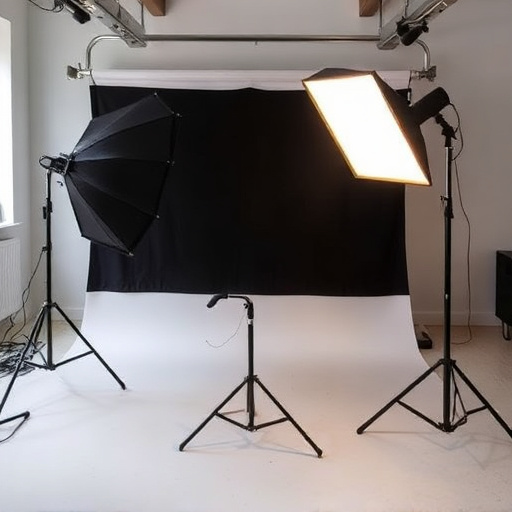
The installation and setup of Pedestals, a versatile display system for retail storefronts, involves a series of precise steps. First, assess the space available and determine the most strategic placement for the pedestals. This involves measuring the area, considering traffic flow, and identifying the best locations for showcasing products. Once the layout is finalized, the pedestals' durable construction ensures they can withstand the wear and tear of daily use.
The actual setup process begins with unboxing and assembling the pedestals. Most systems come with clear instructions and all necessary hardware, ensuring a straightforward assembly process. Connecting the base, adjusting the height, and attaching the display platform typically involves simple tools like a screwdriver. Once assembled, the pedestals should be secured in place, ensuring stability.
Time is a critical factor here-most installations of Pedestals can be completed within one to two days, depending on the size and complexity of the setup. This swift turnaround is a significant advantage for businesses planning pop-up shops, product launches, or retail promotions, where time-sensitive events demand quick setup solutions. Choosing the right provider is key; look for experts who offer comprehensive installation services, ensuring your pedestals are not only correctly assembled but also strategically positioned for maximum impact.
Maintenance and Safety: Ensuring Longevity and Reliability
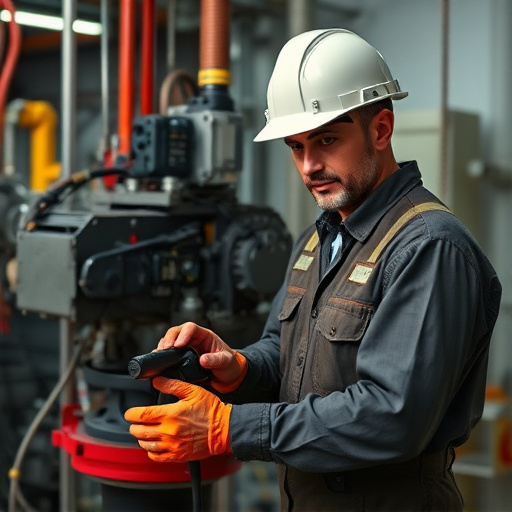
Maintaining and ensuring the safety of Pedestals is paramount for longevity and reliability. The process involves a meticulous series of steps: first, regular cleaning and inspection to identify any signs of wear or damage. Once detected, these issues can be addressed promptly by a qualified technician, who may recommend repairs, replacements, or adjustments, depending on the severity. Loose or wobbly pedestals might require re-leveling or new hardware, while corroded parts may necessitate complete replacement.
Choosing the right Pedestals for your application is crucial. Factors to consider include the intended use-pop-up shops, product launches, or fashion shows demand different sturdiness and portability levels. The size and weight of the displays, the floor surface, and the desired aesthetic all play a role. Understanding these requirements allows for informed decision-making, ensuring the chosen pedestals meet both functional and visual expectations.
Costing approximately $50 to $200 each, depending on the model and customization, Pedestals represent a significant investment. To maximize ROI, consider long-term benefits like reduced setup time, increased event efficiency, and enhanced product presentation. Regular maintenance, as outlined above, also contributes to cost-effectiveness by preventing premature replacement and extending equipment lifespan. A well-maintained pedestal might last for years, while a neglected one could require frequent repairs or substitutions, ultimately increasing operational costs.
Frequently Asked Questions About Timbur Pedestals
What are Pedestals?
Pedestals are a specialized type of structural support system designed for creating elevated walking surfaces, pathways, or platforms. They are made from durable, often recycled materials and are known for their eco-friendly and cost-effective benefits. These pedestals lift the walking surface off the ground, providing increased stability, drainage, and protection from moisture.
How are Pedestals installed?
Installation typically involves preparing the ground surface, placing the pedestals at evenly spaced intervals, and then attaching the walking surface material to the top of the pedestals. The exact process can vary based on the specific application, but it generally requires minimal labor and equipment. A level surface is crucial for proper installation to ensure the stability and integrity of the final structure.
What materials are Pedestals made from?
Pedestals can be made from a variety of recycled materials, such as plastic, rubber, or composite materials. These materials are chosen for their high strength-to-weight ratio, resistance to corrosion, and longevity. The specific material can be selected based on budget, desired aesthetic, and the environmental conditions where the pedestals will be used.
Are Pedestals suitable for outdoor use?
Absolutely. Pedestals are designed for outdoor applications, particularly in areas where ground conditions might be challenging. Their elevated nature helps to protect against water damage and provides a more stable walking surface. They are commonly used in parks, gardens, pedestrian walkways, and other outdoor settings.
What are the advantages of using Pedestals?
Using Pedestals offers several advantages: they are cost-effective, environmentally friendly due to their recycled materials, and easy to install. They provide excellent drainage, preventing water pooling and associated damage. The elevated surface also offers better accessibility and visual appeal, making them a versatile solution for various outdoor projects.
Can Pedestals be used for commercial applications?
Definitely. Pedestals are suitable for a range of commercial applications, including pedestrian walkways, outdoor seating areas, and even as part of landscaping designs. Their durability and low maintenance make them a reliable choice for businesses looking to enhance their outdoor spaces without breaking the bank.
Where can I purchase Pedestals?
Pedestals are typically available from landscape supply stores, outdoor equipment retailers, and online marketplaces. When purchasing, consider the specific needs of your project, including the number of pedestals required, the desired material, and any additional accessories.
Pedestals offer a versatile and durable solution for enhancing visual merchandising in retail environments. By understanding their structural capabilities and installation requirements, businesses can leverage these displays to create impactful storefronts, pop-up shops, and promotional events. The step-by-step installation guide ensures a straightforward setup process, while the focus on maintenance and safety guarantees their longevity. Embracing these key insights empowers retailers to make informed decisions, ultimately enhancing their product presentations and customer experiences in the dynamic world of retail storefronts.