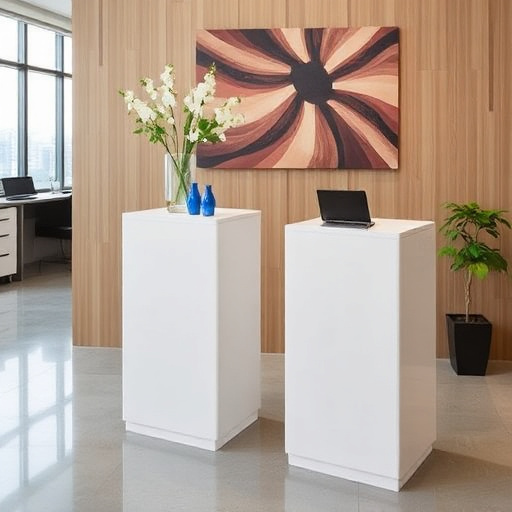
Timbur sideboards' pedestals are essential supports, offering stability and elegance. They are designed to bear the weight of heavy furniture, ensuring a sturdy base. Installation is typically quick, with most processes taking one to two days, involving careful measurement, precise drilling, and secure fastening to the floor. Quality pedestals can enhance the overall look and durability of these sideboards.
Key Takeaways
- Timbur pedestals offer a sturdy foundation for furniture, ensuring longevity and stability.
- Choosing the right pedestal size is crucial; match it to the weight and style of your furniture for optimal support.
- Installation complexity varies; some pedestals are quick to set up, while others may require professional assistance.
- Regular maintenance, such as cleaning and lubricating moving parts, prolongs the lifespan of your Timbur pedestals.
- Consider aesthetic preferences when selecting pedestals, as they can enhance or disrupt the overall design of a space.
- For heavy-duty applications, consult a specialist to ensure the chosen pedestals meet the required load-bearing capacity.
- Pedestals can be integrated into various furniture designs, from classic to modern, for a seamless look.
Pedestals are transforming the way we approach display and visual presentation, particularly in retail environments. As the retail landscape evolves, especially with the rise of pop-up shops and dynamic product launches, the need for versatile, yet durable, display systems is paramount. The problem lies in the balance between creating visually appealing storefronts and choosing materials that can withstand high foot traffic and potential environmental stressors. Pedestals offer an advanced solution, combining robust construction with innovative design, to elevate the customer experience across various events, from fashion shows to retail promotions.
- Understanding Pedestals: Structure and Function
- Installation and Setup: A Step-by-Step Guide
- Maintenance and Longevity: Ensuring Optimal Performance
Understanding Timbur Pedestals: Structure and Function
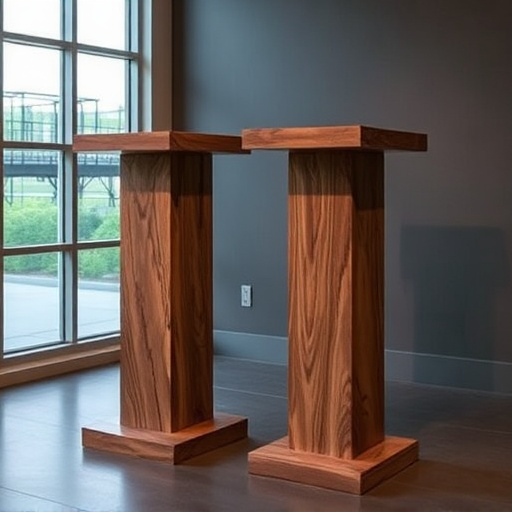
Pedestals, at their core, are a crucial component of modern display systems, serving as the backbone for constructing visually striking retail storefronts. Their structural integrity allows for creative and dynamic visual merchandising, showcasing products in a manner that captivates and engages customers. Each pedestal is meticulously designed to bear significant weight while maintaining durability, ensuring they can withstand the rigors of retail environments. This robust construction is particularly beneficial for pop-up shops and product launches, where quick setup and takedown are essential.
The function of Pedestals extends beyond mere structural support. Their modular design facilitates easy rearrangement, enabling retailers to adapt their displays to changing trends and promotions. A fashion show can utilize the pedestals to create a dynamic, ever-shifting runway display, while a retail promotion might transform the space into an interactive, product-focused setup. This versatility is a key reason why many businesses find Pedestals worth the investment, especially when considering the long-term benefits of quick, on-brand changes.
However, when considering whether to adopt Pedestals, it's essential to weigh them against alternatives. Traditional display stands, for example, might be more cost-effective for static displays but lack the flexibility and durability of Timbur models. Custom-built solutions offer unparalleled versatility but can be expensive and time-consuming to produce. The choice depends on the specific needs of the installation, budget, and the frequency of display changes. As a rule, Pedestals excel in dynamic retail environments, while alternatives may be more suitable for permanent fixtures.
Selecting the right Pedestals involves understanding your space, display needs, and budget. Begin by assessing the available floor space and the weight of items to be displayed. Consider the frequency of changes: if frequent rearrangements are anticipated, invest in more modular designs. Lastly, explore options for customization to match branding or specific design requirements. With these factors in mind, businesses can make an informed decision, ensuring their choice in pedestals complements, rather than hinders, their visual merchandising efforts.
Installation and Setup: A Step-by-Step Guide
Installing Pedestals is a relatively straightforward process, but it requires careful planning and the right tools to ensure a secure and attractive display. The first step is to assess the location and the specific needs of your display. Measure the space meticulously, considering the size of the pedestals and the products you intend to showcase. This step is crucial to avoid issues with fitting and stability later. Once you have the measurements, choose a suitable location that aligns with your visual merchandising strategy.
The setup process begins by preparing the base. These pedestals are designed for versatility, allowing them to be used on various surfaces like concrete, wood, or tile. Ensure the surface is level and clean, then secure the pedestals in place using the appropriate fixing methods provided. This step is critical for the safety of both the display and the patrons. On uneven floors, adjusting the pedestals to a level position prevents toppling.
Next, attach the display shelves or panels to the pedestals according to the manufacturer's instructions. This is where the durable construction of Pedestals becomes evident. With proper care, these displays can withstand the rigors of retail environments, from busy foot traffic to fluctuating temperatures. Once the structure is secure, it's time to fill your display with products. Arrange items aesthetically, leveraging the vertical space efficiently. This strategic placement not only maximizes sales potential but also creates an engaging customer experience.
When considering alternatives to Pedestals, keep in mind that other display systems may lack the same level of durability and customization. Cheaper alternatives might bend or break under pressure, while specialized displays for specific product types might limit your layout options. However, if your budget is constrained, these alternatives can still provide effective visual merchandising.
To avoid common problems, ensure that your installation crew is well-versed in the product. Improper assembly can lead to instability and potential safety hazards. Pay close attention to weight limits. While Pedestals are designed for heavy loads, exceeding recommended weights can cause damage or tipping. Regular maintenance, including cleaning and inspection, will also help prolong the life of your display system.
To qualify for the best results with Pedestals, a basic understanding of construction and display principles is beneficial. This includes knowledge of load-bearing capacities, shelf spacing, and visual hierarchy. With the right setup, these pedestals can transform any retail storefront into a captivating visual experience.
Maintenance and Longevity: Ensuring Optimal Performance

Maintaining Pedestals is crucial to ensure their longevity and optimal performance, especially in dynamic retail environments. To qualify for Pedestals, installations must be handled by professionals who understand the system's durable construction and unique requirements. This includes ensuring proper foundation, secure assembly, and regular cleaning and inspection. The display systems often incorporate customizable features, requiring periodic adjustments to keep products presented effectively.
The cost of Pedestals is reflective of their quality and the level of customization involved. While initial investment may be higher than standard displays, the long-term value becomes evident. Quality construction means these pedestals can withstand heavy use and frequent setup changes, reducing replacement costs. Their use in pop-up shops and product launches ensures a memorable visual merchandising experience, enhancing customer engagement and potentially increasing sales.
Determining whether Pedestals are worth the investment depends on your specific needs and goals. For retailers looking to create striking in-store experiences, these pedestals offer a robust and versatile solution. Regular maintenance, including dusting, polishing, and occasional structural checks, ensures they remain a key asset for years. By prioritizing these practices, businesses can maximize the return on their investment, creating an environment that captivates customers and drives sales.
Frequently Asked Questions About Timbur Pedestals
What are Pedestals used for? Pedestals are designed to elevate and support various objects, from furniture to decorative items. They offer a stylish and functional solution for creating visual interest and providing stability. Whether used to lift a heavy console table or to display a delicate vase, these pedestals ensure objects are presented at an optimal height and angle, enhancing both form and function.
How are Pedestals installed? Installation typically involves a few simple steps. First, the pedestals are placed at the desired location. Then, the object to be supported is carefully positioned on top. For heavier items, it's advisable to use multiple pedestals for enhanced stability. Some models may have adjustable heights, allowing for fine-tuning to ensure the object is displayed perfectly. A level should be used to ensure the pedestals are positioned correctly.
What materials are Pedestals made from? Pedestals are crafted from a variety of materials, primarily selected for their strength and durability. Common options include sturdy metal alloys, such as stainless steel and cast iron, which offer exceptional strength and resistance to corrosion. Wood pedestals, often made from hardwoods, are also available, adding a natural aesthetic appeal while maintaining structural integrity.
Are Pedestals easy to clean? Absolutely. Most Pedestals are designed with smooth surfaces, making them easy to wipe down with a damp cloth. For metal pedestals, a mild detergent can be used to remove any marks or fingerprints. Regular cleaning ensures not only a tidy presentation but also helps to preserve the finish, extending the life of the pedestals.
Can Pedestals be used outdoors? While many Pedestals are suitable for indoor use, certain models are specifically designed for outdoor applications. These outdoor pedestals are typically made from weather-resistant materials, such as treated wood or stainless steel, to withstand the elements. They can be an excellent choice for showcasing outdoor furniture or decorative objects on a patio or veranda.
What are some creative ways to use Pedestals? Beyond their practical purpose, Pedestals offer a canvas for creative expression. They can be used to display collectibles, add height to a bookshelf, or even as a unique plant stand. By rearranging the pedestals and the objects they support, you can continuously update your space, keeping it fresh and engaging.
Pedestals offer a versatile and durable solution for enhancing visual merchandising in retail storefronts and pop-up shops. By understanding their structural integrity and key functions, and following the detailed installation and maintenance guidelines provided, businesses can maximize the longevity of their displays. This ensures that each Timbur pedestal not only serves its intended purpose but also contributes to a compelling and effective visual experience for customers. Moving forward, organizations can leverage these pedestals for various events, from product launches and fashion shows to creative retail promotions, creating dynamic and engaging spaces that capture attention and drive sales.