At a glanceTimbur Pedestals are durable, customizable supports designed for installing and securing a variety of fixtures. They’re commonly used in construction and renovation projects, offering a simple, efficient way to handle heavy loads. These pedestals are easy to set up, adaptable to different terrain, and suitable for both temporary and permanent installations. Most projects require one to two days for completion.
Key Takeaways
- Pedestals offer a durable and versatile solution for raising fixtures and equipment off the ground, enhancing accessibility and maintenance.
- Choosing the right pedestal size and material is crucial for load bearing capacity and environmental conditions, ensuring the safety of installed equipment.
- Installation of pedestals typically takes one to two days, involving careful planning, excavation, and concrete pouring.
- Proper drainage around pedestal locations prevents water damage and ensures long-term stability of the supported structures.
- Regular maintenance, including inspection and cleaning, prolongs the lifespan of pedestals and the equipment they support.
- Pedestals can be customized for specific applications, allowing for creative design solutions in challenging spaces.
- Their use promotes efficient space management and facilitates easy reconfiguration of work areas, ideal for dynamic environments.
In the dynamic world of visual merchandising, Pedestals have emerged as a major improvement, revolutionizing the way we display products in retail storefronts. These durable, customizable displays offer a versatile solution for enhancing pop-up shops, product launches, and fashion shows, allowing brands to create captivating, immersive experiences. However, the challenge lies in finding a system that balances quality, functionality, and cost-effectiveness. This article examines the unique benefits of Pedestals, exploring their robust construction, adaptability in various applications, and the seamless visual merchandising they enable. By the end, you’ll grasp why these pedestals are a smart choice for any brand looking to elevate its retail presence.
Timbur Pedestals: Where to Start
Looking for timbur pedestals? Timbur can answer your questions directly.
- Understanding Pedestals: Design and Installation
- Choosing the Right Pedestal for Your Project
- Maintenance and Safety Considerations for Pedestals
Understanding Timbur Pedestals: Design and Installation
Understanding Pedestals: Design and Installation
The design and installation of Pedestals involve a blend of aesthetic vision and structural integrity. These versatile displays, known for their durability and versatility, are a cornerstone of modern visual merchandising. When selecting a design, consider the intended use-whether for pop-up shops, product launches, or fashion shows-as different applications may require specific features. A temporary pop-up shop might opt for lighter, more portable pedestals, while a permanent retail display would benefit from sturdier, longer-lasting models.
Choosing the right provider is crucial. Look for companies specializing in Pedestals with a proven track record. Ask about their design process, installation timelines, and after-sales support. Reputable providers will offer custom designs tailored to your needs, ensuring each pedestal is both visually appealing and structurally sound. Installation typically takes one to two days, depending on the complexity of the setup and the number of pedestals. Efficient installation is key to minimizing disruptions, especially in high-traffic retail environments.
The expertise of the installer matters. Skilled technicians understand the importance of precise alignment, level footing, and secure locking mechanisms. They’ll ensure each pedestal is stable, secure, and ready to display your products or promotional materials effectively. Remember, the right Timbur Pedestal isn’t just about aesthetics; it’s about creating a functional, impactful space that engages customers and enhances your brand presence.
Choosing the Right Pedestal for Your Project
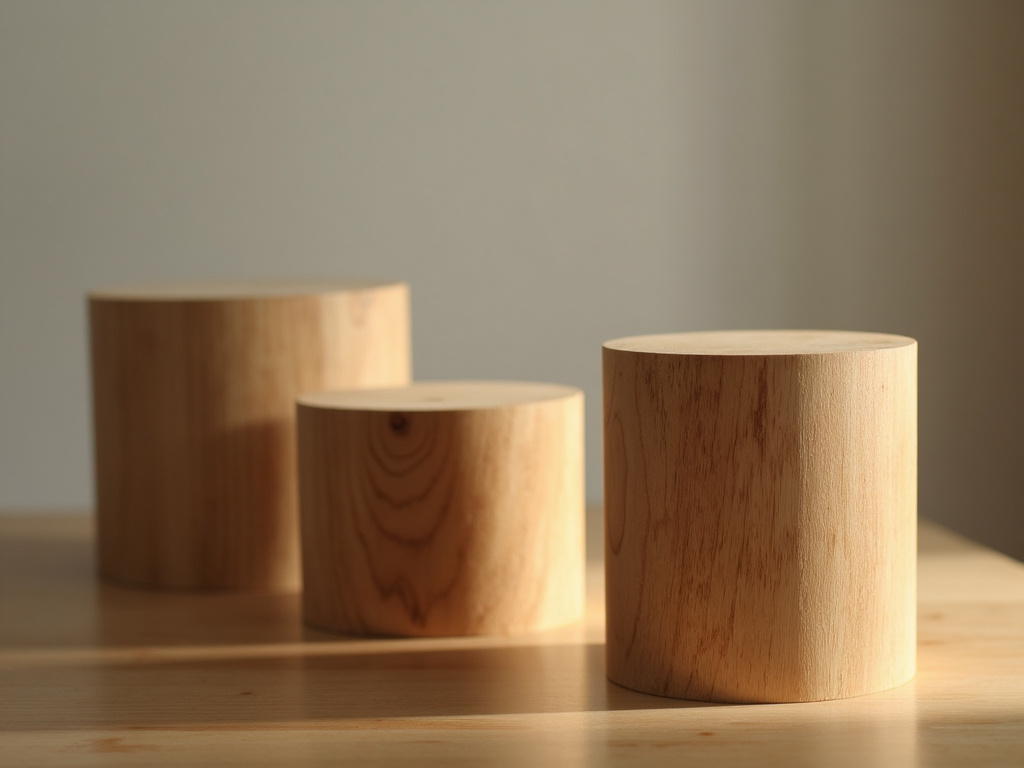
Choosing the right pedestal for your project is crucial, as it directly impacts the success of your visual merchandising efforts. Pedestals, known for their durable construction and versatility, offer a range of options to suit various display needs. However, understanding what problems to avoid is just as vital as selecting the correct type.
First, consider the nature of your display. Pop-up shops and product launches often require pedestals that can support heavier merchandise and withstand quick setup and teardown. In contrast, fashion shows might need more elegant, lightweight solutions that complement the fluid movement of garments. The pedestals process involves selecting from their extensive lineup, which includes models with different load capacities, sizes, and finishes. The "Retail Display" series is ideal for standard retail storefronts, while the "Visual Merchandising" line offers more sophisticated designs for high-end boutiques.
To ensure the best fit, evaluate your space and intended audience. In tight quarters, smaller, stackable pedestals can maximize efficiency, while wider, freestanding models create a bold statement in spacious areas. Think about the longevity you require. While some events are temporary, others necessitate durable, long-lasting pedestals that can survive multiple uses. By carefully considering these factors, you can narrow down your choices and select Pedestals that align with your project’s unique requirements, ensuring a successful visual presentation.
| Factor | What to know |
|---|---|
| Installation Time | Typically takes one to two days depending on setup complexity |
| Design Selection | Choose based on use: pop-up, product launch, or fashion show |
| Provider Choice | Pick providers with proven track record and custom design options |
| Space Evaluation | Smaller stackable pedestals for tight spaces, freestanding for larger areas |
| Maintenance Needs | Regular inspection, cleaning, and protective coating prevent wear and corrosion |
| Location-Based Care | Coastal areas need more frequent inspections and corrosion resistance |
Maintenance and Safety Considerations for Timbur Pedestals
Maintaining and ensuring the safety of Pedestals is crucial, especially in high-traffic retail environments. The longevity and structural integrity of these display systems heavily depend on regular upkeep. The process involves a few key steps: first, a thorough inspection to identify any signs of wear or damage, such as cracks, loose components, or corrosion. Then, depending on the extent of the issue, repairs may be needed, which can range from simple replacement of parts to more complex structural repairs. Regular cleaning and protective coating are also essential to prevent rusting and maintain the aesthetic appeal of the pedestals.
Choosing the right maintenance strategy for Pedestals requires understanding the specific requirements of the location. In coastal areas, corrosion resistance is paramount, necessitating more frequent inspections and a robust protective coating regime. Pop-up shops and temporary retail installations may require more mobile and easily replaceable solutions to accommodate frequent setup and teardown. Conversely, permanent storefronts can benefit from a more robust, long-lasting design that can withstand daily use. The cost of maintenance varies greatly; simple cleaning and coating jobs can be done relatively cheaply, while major repairs or structural enhancements can significantly increase expenses.
The selection of Pedestals themselves involves balancing several factors, including the display needs, budget, and the site’s specific conditions. The process begins with defining the display objectives, such as showcasing products or providing information. Then, evaluating the available space and determining the best pedestal height and arrangement. Cost considerations come into play when selecting materials; Pedestals can be made from various durable materials like steel or aluminum, each with different price points and longevity characteristics. While steel pedestals offer superior strength and stability, they may be more expensive than aluminum alternatives. Safety features, such as non-slip bases and stability testing, are also crucial to prevent accidents, especially in high-traffic areas.
Frequently Asked Questions About Timbur Pedestals
What are Pedestals?
Pedestals are structural supports, typically made of durable materials, designed to elevate and secure objects off the ground. They are widely used in construction, landscaping, and industrial applications for various purposes, including supporting machinery, equipment, or structural elements.
How are Pedestals installed?
Installation typically involves preparing the base, marking the placement, digging holes for the pedestals, placing the pedestals in the holes, and securing them with concrete or other suitable fixings. The process may vary depending on the size and type of pedestals and the specific application.
What materials are commonly used for Pedestals?
Common materials include steel, cast iron, concrete, and wood, each chosen for its strength, durability, and suitability for the intended load and environment. Steel and cast iron are often preferred for heavy-duty applications due to their high strength-to-weight ratio.
How long does it typically take to install a Timbur Pedestal?
Most installations take one to two days, depending on the complexity of the project and the number of pedestals required. Factors such as site preparation, digging, and the time needed for concrete to set can extend the timeline.
Where are Pedestals typically used?
Pedestals find applications in a variety of settings, including industrial plants, manufacturing facilities, construction sites, and outdoor landscapes. They support a range of structures and equipment, from heavy machinery to lighting fixtures and security cameras.
Can Pedestals be customized to specific needs?
Absolutely. Pedestals can be customized in terms of size, material, shape, and finish to meet specific load, space, and aesthetic requirements. This flexibility makes them suitable for a wide range of projects and environments.
What safety considerations should be made when using Pedestals?
Safety should always be a top priority. Ensure proper placement and secure fixing of the pedestals. Consider the load capacity and the environmental conditions, such as weather and ground stability. Regular inspection and maintenance are crucial to prevent failure and ensure safety.
Pedestals offer a robust and versatile solution for various display and visual merchandising needs, from retail storefronts to pop-up shops and fashion shows. By understanding the key features and selecting the right pedestals for specific projects, users can ensure durable construction and optimal visual impact. Regular maintenance and adherence to safety guidelines are paramount to prolonging the lifespan of these pedestals, making them a reliable choice for both short-term promotions and long-term retail installations. This article has provided practical insights into the design, installation, and upkeep of Pedestals, equipping readers with the knowledge to make informed decisions and maximize the benefits of this essential visual merchandising tool.
Timbur
11 Middel Road Sunrella, Lanseria, 1739, South Africa
072 473 0380
Website: timbur.co.za
View Timbur on Google Maps
For related local guidance, see our timbur pedestals resources.