Key Takeaways
- Pedestals are an efficient solution for raising equipment off the ground, offering a quick and secure installation process.
- They are particularly useful for temporary structures, providing a stable base for various applications without the need for extensive foundation work.
- The lightweight design of Pedestals makes them easy to transport and install, reducing on-site labor costs.
- Their load-bearing capacity varies depending on the model, with some capable of supporting significant weights, suitable for heavy machinery or storage racks.
- Proper placement and leveling of Pedestals is crucial for ensuring stability and preventing equipment shift, requiring skilled hands or specific tools.
- Regular inspection and maintenance are recommended to ensure the longevity of Pedestals, protecting investments and ensuring optimal performance.
- Local building codes and regulations should be consulted before using Pedestals for permanent installations, as restrictions may apply.
Pedestals are durable, raised platforms designed for outdoor use. They are often used for creating elevated seating areas, garden beds, or display platforms. These pedestals can be made from various materials, commonly wood or metal, and come in different sizes and styles to suit various needs. Installation typically involves preparing the ground, placing the pedestal, and securing it in position.
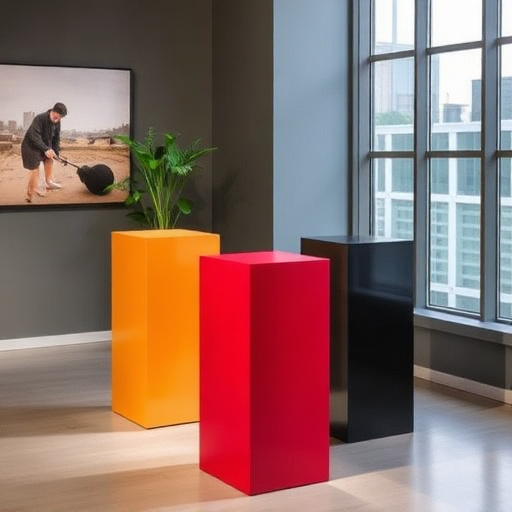
In the changing landscape of visual merchandising, the display of products and the presentation of brands have become paramount. Pedestals, a revolutionary product in the retail industry, offers a versatile and durable solution for enhancing storefronts and creating captivating visual experiences. These pedestals, designed for both pop-up shops and high-impact product launches, provide a robust framework for creative design while ensuring longevity.
The challenge lies in balancing aesthetics with structural integrity, especially in dynamic retail environments. Pedestals emerge as a comprehensive answer, combining functionality and style for various applications, from fashion shows to retail promotions. By exploring the key features and diverse uses of Pedestals, this article aims to equip readers with a deep understanding of this versatile tool.
- Understanding Pedestals: Structure and Function
- Installation and Setup: A Step-by-Step Guide
- Maintenance and Longevity: Ensuring Pedestals' Performance
Understanding Timbur Pedestals: Structure and Function
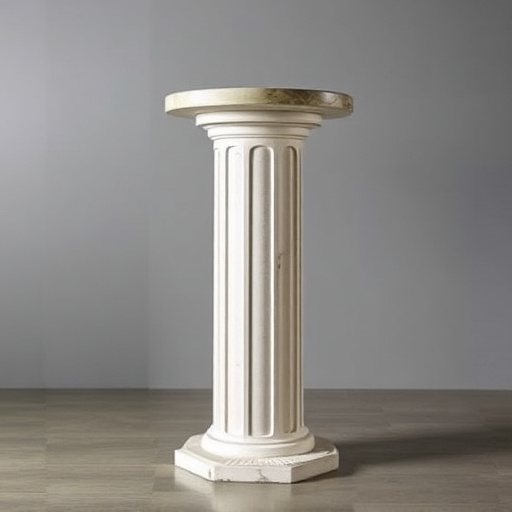
Pedestals, a revolutionary display system, offers a unique and versatile approach to visual merchandising. Understanding the structure and function of these pedestals is key to achieving their full potential in retail environments. The process involves precise engineering and durable construction, ensuring each pedestal is a robust and stable display platform. These structures are meticulously designed to withstand the demands of various retail applications, from pop-up shops to fashion shows.
The pedestals' design is a sign of their versatility. They are crafted to accommodate a wide array of display needs, whether it's showcasing products during a product launch or creating an immersive experience for customers at a retail promotion. The durability of the construction is not just for show; it ensures these displays can withstand the wear and tear of high-traffic areas, making them a reliable choice for businesses. The process of manufacturing these pedestals involves a careful balance of aesthetics and functionality, resulting in a product that is both visually appealing and structurally sound.
In terms of cost, pedestals represent a significant investment for retailers, with prices varying based on size, customisation, and materials. The time frame for installation can range from one to two days, depending on the complexity of the setup, providing businesses with a relatively swift transformation of their storefronts. While the initial setup may take some time, the long-term benefits include increased customer engagement and a more dynamic retail experience. A fashion brand could utilise pedestals to stage seasonal collections, allowing them to quickly adapt their display to reflect the latest trends.
Installation and Setup: A Step-by-Step Guide
Setting up Pedestals for the first time is a relatively straightforward process, but it requires careful planning and attention to detail. Begin by ensuring you have the necessary tools and materials, including the pedestals, a power drill, appropriate fasteners, and safety gear. The first step is to mark the locations where the pedestals will be placed, considering the display system's requirements and the layout of your space. Once the locations are marked, drill pilot holes for the fasteners, taking care to avoid any hidden pipes or wiring. Insert the pedestals into the holes, ensuring they are level and aligned correctly. Fasten them securely, using the appropriate length of screws or bolts to achieve a sturdy connection.
The next step involves attaching the display system to the pedestals. This process varies depending on the specific setup, but typically involves securing brackets or mounts to the pedestals using the same fastening method. Ensure the display system is level and securely fastened, distributing the weight evenly across the pedestals. Once the display is in place, you can start arranging your merchandise or visual merchandising content.
When setting up Pedestals, it's crucial to consider alternatives and potential issues. Alternatives to Pedestals include traditional display stands and adjustable shelving systems, each offering unique advantages and disadvantages. Adjustable shelving might be more suitable for dynamic retail environments, while Pedestals excel in creating visually impactful, static displays. However, both systems can be worth the investment, depending on your specific needs. To avoid problems, prioritize quality construction and durable materials. Pedestals are known for their robust design, making them a reliable choice, but even with high-quality products, regular maintenance is essential to prevent rusting or structural damage. Regularly inspect the pedestals and displays, tightening fasteners as needed to maintain stability.
Maintenance and Longevity: Ensuring Timbur Pedestals' Performance
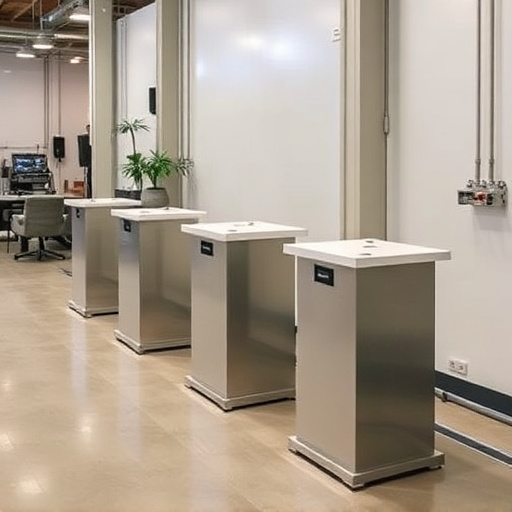
Maintaining the performance and longevity of Pedestals is crucial for any business leveraging these display systems in their retail storefronts. The process involves regular cleaning, structural inspections, and component replacements as needed. To ensure the longevity of your Pedestals, start by establishing a consistent maintenance schedule, ideally every 3 to 6 months, depending on the foot traffic and environmental conditions. This schedule should include dusting and wiping down the entire structure for a thorough cleaning, checking for any loose or damaged parts, and replacing any worn components such as screws, hinges, or brackets.
Qualifying for optimal Pedestals performance involves several key factors. First, ensure that your installation adheres to the manufacturer's guidelines, with proper anchoring to prevent tipping or instability. Second, maintain a safe working environment by securing heavy items above the pedestals to avoid damage or entrapment. Lastly, protect the pedestals from extreme weather conditions, using covers or bringing them indoors during adverse weather, as these elements can accelerate corrosion and damage.
Avoiding common problems is equally important. One major issue to prevent is overselling or overloading the pedestals, which can lead to instability and safety hazards. Always follow weight capacity guidelines and distribute weight evenly across the structure. Be mindful of the placement of your Pedestals. Avoid situating them near heat sources or direct sunlight, as these conditions can cause warping or fading of the materials used. Regular care and attention to these details will significantly extend the lifespan of your Pedestals, ensuring they remain a robust and effective visual merchandising solution for your retail space.
Frequently Asked Questions About Timbur Pedestals
What are Pedestals? Pedestals are specialized support structures designed for installing and securing various types of signs, lighting, or other fixtures in outdoor or indoor settings. They are known for their durability, versatility, and ease of installation.
How long does it typically take to install Pedestals? Installation times can vary based on the complexity of the setup and local conditions. Most standard installations can be completed within one to two days, often involving preparation of the site, assembly of the pedestals, and attachment of the desired fixtures.
Are Pedestals suitable for all types of terrain? While Pedestals are highly adaptable, their suitability depends on the specific terrain. They perform best on level surfaces and areas with relatively soft soil. For uneven or hardsoil conditions, additional preparation or alternative pedestal designs may be required.
Can Pedestals be moved once installed? Yes, Pedestals can be designed for portability, allowing them to be moved as needed. This flexibility is beneficial for temporary installations, events, or situations where the location may change over time.
What materials are Pedestals typically made from? Pedestals are commonly constructed from robust materials like steel or aluminum, treated to withstand outdoor exposure. These materials ensure the pedestals' longevity and stability, making them suitable for demanding environments.
How do I maintain Pedestals to prolong their lifespan? Regular cleaning, especially removal of dirt and debris, is crucial. Occasional checks for loose components and adjustments to ensure stability are recommended. In harsh environments, protective coatings or treatments may extend the pedestals' service life.
Who should I contact for Timbur Pedestal service or repairs? For service or repairs, reach out to the manufacturer or an authorized local dealer. They can provide specific guidance, replacement parts, or on-site support to ensure your Pedestals remain in optimal condition.
Pedestals offer a versatile and durable solution for enhancing visual merchandising and display systems in retail storefronts. By understanding their structural design and installation requirements, businesses can leverage these pedestals for various applications, from pop-up shops to fashion shows. The step-by-step installation guide ensures a straightforward setup process, while the focus on maintenance and longevity guarantees their performance over time.
Key takeaways include the importance of proper installation for optimal stability, the use of high-quality materials for durability, and regular cleaning and inspections to maintain their aesthetic appeal. By following these practices, businesses can maximize the benefits of Pedestals, ensuring they become a reliable and impactful part of their visual marketing strategy.
Next steps could involve integrating these pedestals into planned events or retail promotions, taking advantage of their versatility to create captivating in-store experiences. Establishing a maintenance routine from the outset will contribute to their longevity, supporting their role as a long-term asset for any retail environment.