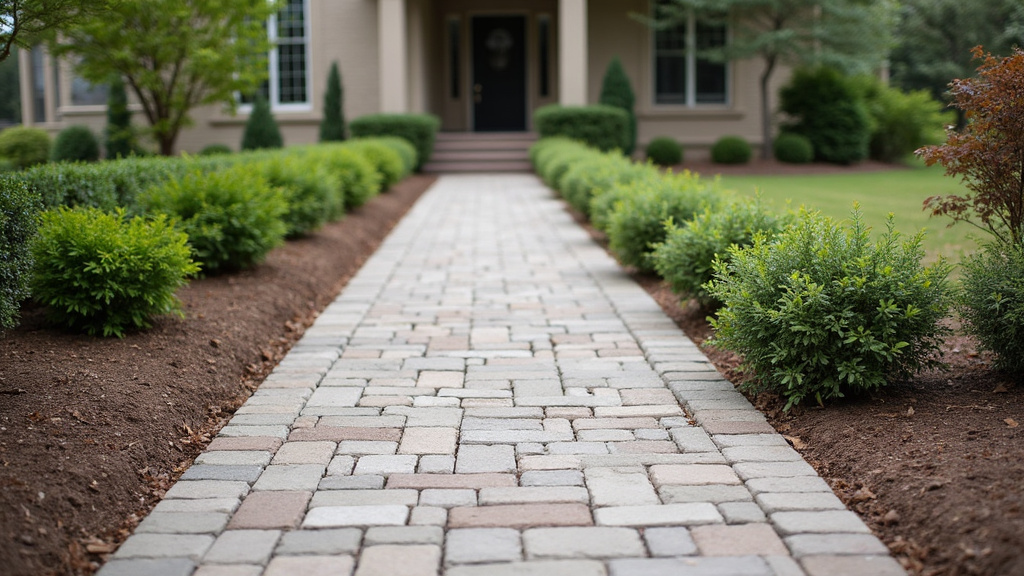
At a glanceTimbur Pedestals are durable, customizable supports used to elevate and reinforce structures like decks, fences, or patio covers. They are known for their strength, made from high-quality materials, and designed for easy installation. Most projects require one to two days for completion, depending on the size and complexity. Local contractors offer installation services for these versatile support solutions.
Key Takeaways
- Pedestals offer a robust and versatile solution for supporting various structures, suitable for both residential and commercial applications.
- Installation time varies, but most projects can be completed within one to two days, minimizing disruption to your schedule.
- Proper pedestal placement is crucial; consult with professionals to ensure optimal load distribution and stability.
- These pedestals are designed for easy adjustment, allowing for post-installation modifications and fine-tuning.
- They provide a cost-effective alternative to traditional foundation methods, making them an attractive option for budget-conscious projects.
- Timbur pedestal systems can enhance building accessibility by enabling the construction of structures on uneven terrain.
- Regular maintenance, including inspection and cleaning, ensures the longevity and continued effectiveness of your pedestal system.
Pedestals have emerged as a transformative solution in the realms of display systems, retail storefronts, and visual merchandising. Their durable construction and versatility make them ideal for a wide array of applications, from pop-up shops and product launches to fashion shows and retail promotions. However, selecting the right pedestal for a specific project can be daunting. This article examines the key features, benefits, and practical considerations surrounding Pedestals, providing valuable insights for businesses looking to maximize their visual impact and operational efficiency. By the end, you’ll understand why these pedestals are a cornerstone of modern retail design and marketing.
Timbur Pedestals: Where to Start
Looking for timbur pedestals? timbur pedestals at Timbur can answer your questions directly.
- Understanding Pedestals: Design and Function
- Installation and Setup: A Step-by-Step Guide
- Maintenance and Best Practices for Longevity
Understanding Timbur Pedestals: Design and Function
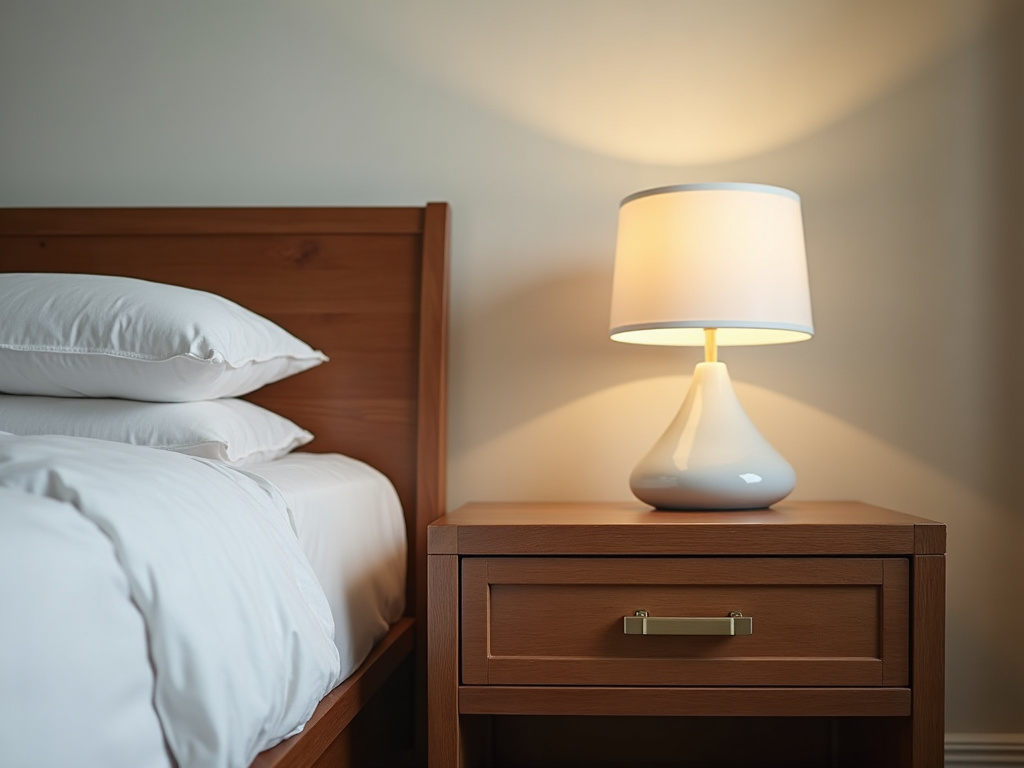
Pedestals are a crucial component in modern visual merchandising, offering a flexible and durable display solution for a variety of applications. Their design combines functionality and aesthetics, allowing them to serve as both a structural support and an eye-catching element in retail storefronts, pop-up shops, and product launches. When choosing Pedestals, consider the specific needs of your installation. A fashion show might require taller, more slender pedestals to showcase garments, while a retail promotion may benefit from broader, more robust models to display bulkier items.
The key to successful implementation lies in understanding what Pedestals include. These systems typically comprise a framework of interlocking metal or plastic components, designed to be easily assembled and disassembled. This modularity allows for quick setup and teardown, making them ideal for temporary installations like pop-up shops. Their durable construction ensures longevity, even under heavy use. However, to avoid problems, be mindful of the weight capacity of the chosen pedestals; overloading can lead to damage or instability.
To structural integrity, consider the visual impact. Pedestals can be customized with various finishes, colors, and branding options to align with your store’s aesthetic. This flexibility allows retailers to create cohesive, impactful displays that engage customers and enhance the shopping experience. By carefully considering both the functional and aesthetic aspects, you can leverage Pedestals to achieve dynamic and successful visual merchandising in your timbur storefront.
Installation and Setup: A Step-by-Step Guide
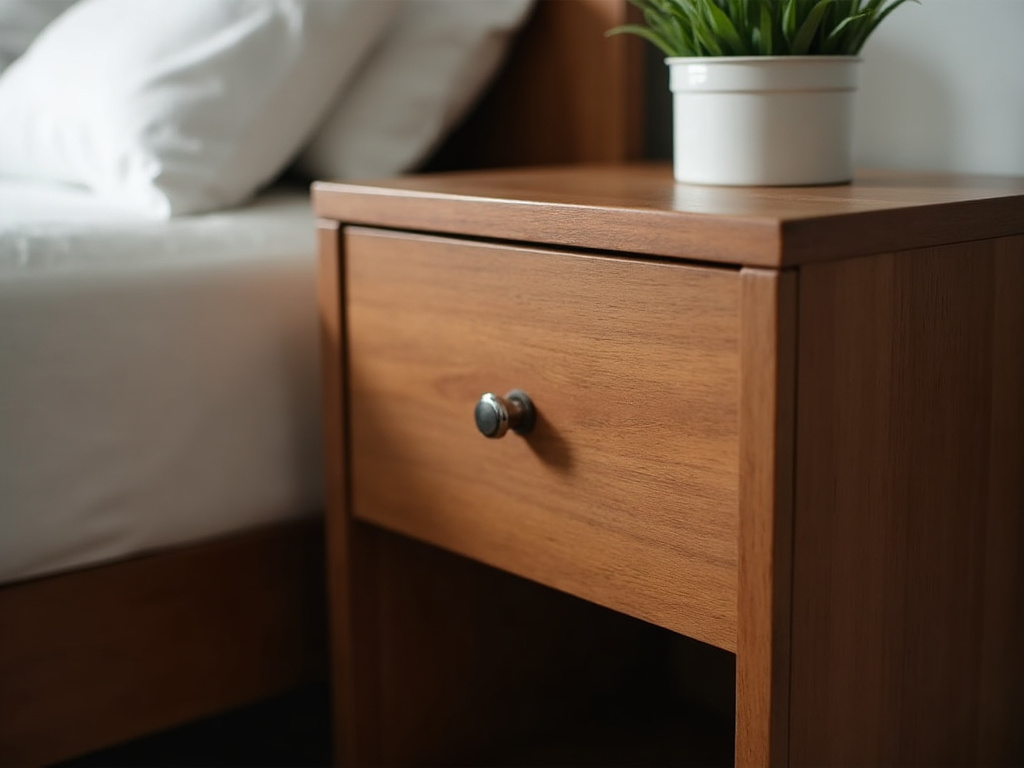
Installing and setting up Pedestals involves careful planning and execution. Begin by selecting the appropriate pedestal size and type based on the display system, retail storefront design, and visual merchandising needs. Lighter-weight pedestals might be suitable for smaller displays and pop-up shops, while heavier-duty models are ideal for larger product launches or fashion shows. Once the pedestals arrive, inspect them for any damage and ensure all components are present.
The setup process begins by preparing the location. Clear a path for delivery and ensure adequate space for the display. Level the pedestals on a stable, flat surface. This prevents wobbling and ensures the display system remains secure. Connect the pedestals to any required electrical or data components, following the manufacturer’s instructions closely. Proper grounding is crucial, especially for locations with high foot traffic. Consider using safety equipment, like gloves and safety glasses, during assembly to avoid injuries.
When positioning the display system on the pedestals, align it carefully for a professional look. Ensure signage, products, and lighting are all accessible and visible. Test the stability of the setup, and adjust as necessary. Regularly inspect the pedestals for any signs of wear or damage, especially in high-traffic areas. Regular maintenance prolongs the life of your Pedestals and ensures optimal performance.
What are the alternatives to Pedestals? Other options include custom-built displays or generic retail stands. However, Pedestals offer a balance of durability, versatility, and affordability that makes them a popular choice.
What problems should you avoid with Pedestals? Common issues include improper installation leading to instability, overloading the pedestals, and inadequate security measures. To prevent these, follow the manufacturer’s guidelines, select the right pedestal for the job, and prioritize safety during setup.
How do you choose the pedestals provider? Look for a company with experience in visual merchandising and a proven track record of successful installations. Request references and examples of their work, and ensure they offer ongoing support and maintenance services.
| Factor | What to know |
|---|---|
| Installation Time | Most projects completed within one to two days |
| Placement Guidance | Consult professionals for optimal load distribution and stability |
| Post-Install Adjustability | Designed for easy adjustment and fine-tuning after installation |
| Cost Factor | Cost-effective alternative to traditional foundation methods |
| Maintenance Schedule | Bi-annual cleaning with soft-bristled brush and mild solution |
| Weight Capacity Caution | Avoid overloading pedestals to prevent damage or instability |
Maintenance and Best Practices for Longevity
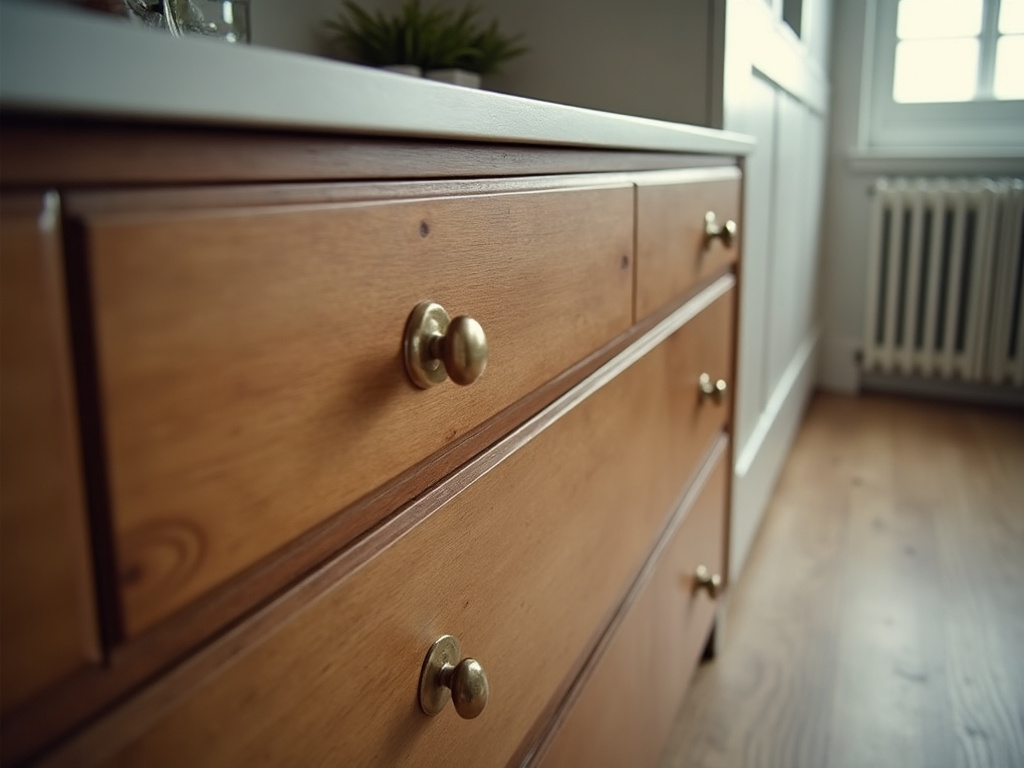
Maintaining Pedestals for longevity involves a strategic approach that combines robust construction, meticulous care, and timely service. Because these display systems are designed for durability, regular cleaning and inspection are paramount. Dust, dirt, and debris can accumulate over time, dulling finishes and compromising structural integrity. A recommended practice is to implement a bi-annual cleaning schedule, utilizing appropriate tools and materials to ensure no damage occurs. A soft-bristled brush and a mild cleaning solution suitable for the material are preferable to harsher methods.
Choosing the pedestals provider is a critical step in ensuring long-term success. Look for companies with a proven track record in the industry, specializing in Pedestals for various applications, from retail storefronts to pop-up shops. The selection process should involve evaluating their expertise, the quality of their craftsmanship, and their ability to meet your specific needs. Once chosen, the pedestals process begins with consultation, design, and production. This phase requires close collaboration to ensure the final product aligns perfectly with your visual merchandising goals.
The installation timeline for Pedestals typically ranges from one to two days, depending on the complexity of the design and the number of units. Efficient installation is key to minimizing downtime for your business operations. A skilled contractor will work swiftly yet meticulously, ensuring each pedestal is securely in place and fully functional. Post-installation, a period of monitoring and adjustment is recommended. This allows for any fine-tuning necessary to optimize the display system’s performance and visual impact, ensuring it meets your expectations over the long term.
Frequently Asked Questions About Timbur Pedestals
What are Pedestals?
Pedestals are structural supports used to elevate and stabilize objects, such as signs, lighting fixtures, or security cameras, off the ground. They are designed to provide a robust and safe mounting solution, offering both strength and flexibility in installation.
How are Pedestals installed?
Installation typically involves several steps: site preparation, choosing the appropriate pedestal size and type, drilling pilot holes, inserting the pedestals, securing them with anchors, and finally attaching the desired fixture. It’s crucial to follow local building codes and consult with a professional for complex installations.
What materials are Pedestals made from?
Pedestals are commonly crafted from durable materials like steel or aluminum. Steel pedestals offer superior strength and resistance to corrosion, while aluminum options provide a lighter alternative, ideal for locations where weight is a concern.
Where are Pedestals typically used?
These pedestals find applications in various settings, including urban landscapes, commercial properties, industrial sites, and outdoor advertising. They are versatile enough to support a wide range of fixtures, making them a go-to solution for many infrastructure and construction projects.
Are Pedestals customizable?
Absolutely. Many manufacturers offer customization options, allowing you to select from different sizes, shapes, and finishes to meet specific project needs. This flexibility ensures that the pedestals can blend seamlessly into their surroundings or withstand harsh environmental conditions.
How do I choose the right Timbur pedestal for my project?
Selecting the appropriate pedestal depends on several factors, such as the weight of the fixture, local soil conditions, and environmental factors. Consulting with a professional or manufacturer can help ensure you choose a pedestal that’s both safe and effective for your specific application.
Pedestals offer a versatile and durable solution for various visual merchandising and display needs. By understanding their design principles and following a meticulous setup process, businesses can maximize their impact. The key to longevity lies in regular maintenance and adherence to best practices. This article has provided a practical guide to installing, maintaining, and leveraging the potential of pedestals for pop-up shops, product launches, and fashion shows. With these insights, businesses can ensure their retail storefronts make a lasting impression.
Timbur
11 Middel Road Sunrella, Lanseria, 1739, South Africa
072 473 0380
Website: timbur.co.za
View Timbur on Google Maps
For related local guidance, see our timbur pedestals resources.