Key Takeaways
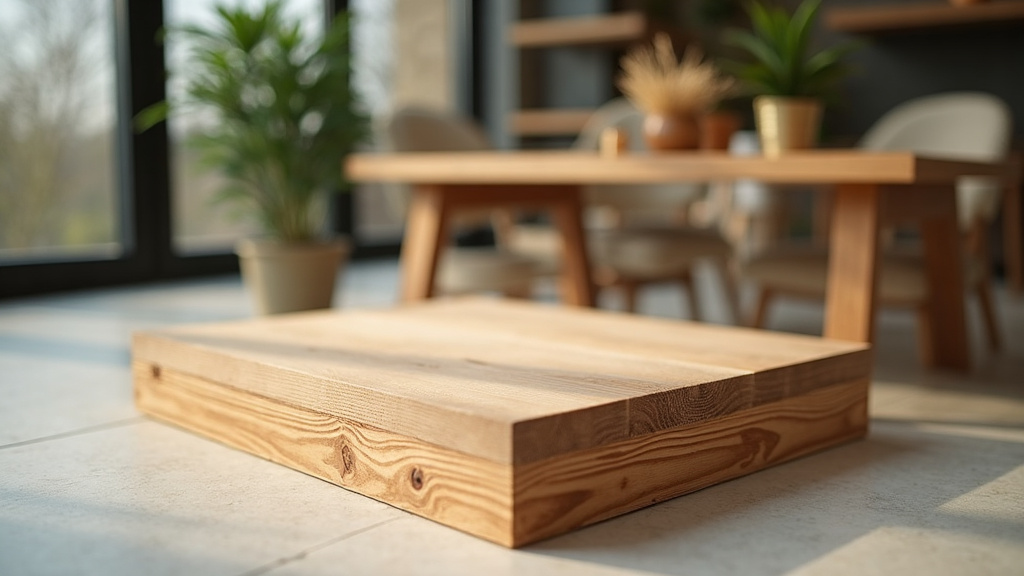
- Timbur pedestals offer a durable and versatile solution for supporting heavy loads, suitable for various construction projects.
- Installation time varies, but most projects can be completed within one to two days, minimizing disruption.
- Proper placement and leveling are crucial for the long-term stability and performance of pedestals.
- These pedestals can be customized to fit specific load requirements, ensuring optimal structural integrity.
- Regular maintenance, including inspection and re-tightening, prolongs the lifespan of pedestals.
- Cost-effective for both commercial and residential applications, providing a reliable and affordable support system.
- Local building codes and regulations should be considered for appropriate use and compliance.
At a glancePedestals are structural supports designed to elevate and stabilize objects off the ground. They are commonly used in construction to support buildings, bridges, and other structures. These pedestals come in various sizes and materials, with concrete being a popular choice for its durability. Installation typically involves digging holes, setting the pedestals, and then securing them in place with concrete or other fixings. Most installations take one to two days, depending on the project size.
In today’s competitive retail landscape, captivating visual displays are crucial for drawing in customers and boosting sales. However, creating and maintaining these displays can be a challenge, especially for pop-up shops and temporary events. Here, Pedestals emerge as a major improvement.
These durable, yet lightweight construction displays are transforming the way businesses present their products, offering a versatile and cost-effective solution for various applications, from product launches to fashion shows. By providing a robust yet portable framework, Pedestals empower retailers to create impactful, dynamic storefronts, ensuring their products stand out in any setting. This article examines the innovative design and practical benefits of these advanced visual merchandising tools.
Timbur Pedestals: Where to Start
Looking for timbur pedestals? bedside pedestals can answer your questions directly.
- Understanding Pedestals: Design and Installation Basics
- Material Selection: Choosing the Right Timbur Pedestal for Your Project
- Best Practices: Ensuring Longevity and Safety with Pedestals
Understanding Timbur Pedestals: Design and Installation Basics
Understanding Pedestals: Design and Installation Basics
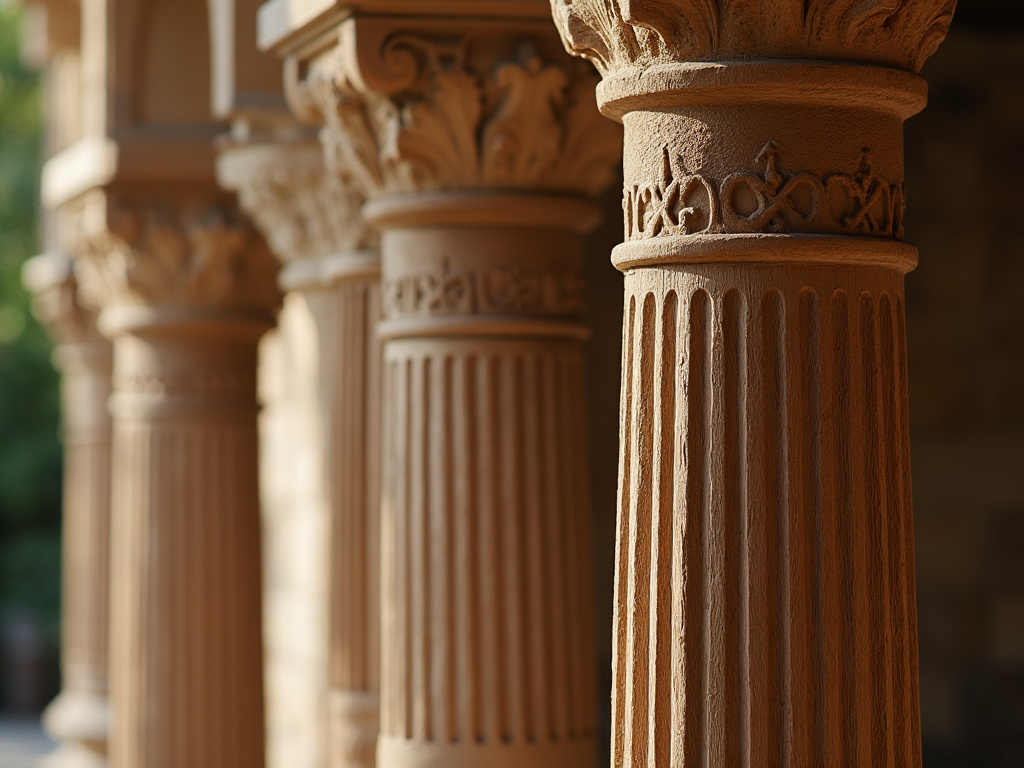
Pedestals are a versatile display solution, offering both durability and aesthetic appeal. They’re a popular choice for various retail environments, from pop-up shops to fashion shows, thanks to their adaptability in visual merchandising. The key to successful implementation lies in understanding what these pedestals entail and the potential pitfalls to avoid.
Pedestals include a robust, durable construction designed to withstand heavy use. They come in various sizes and styles to accommodate different product displays, ensuring a tailored fit for each application. During installation, attention to detail is crucial. Proper leveling, for instance, is essential to prevent product slippage and maintain an attractive, professional look. Ensuring adequate space around the pedestals allows for optimal customer access and interaction, a critical factor for successful retail promotions.
What do you need to qualify for Pedestals? In essence, a clear understanding of your display needs, budget, and space constraints. Consulting with a professional visual merchandising team can be invaluable. They can guide you in selecting the right pedestals, considering factors like product weight and height, and offer advice on efficient installation practices. By doing so, you’ll avoid common problems like poorly placed pedestals that obstruct customer pathways, ensuring a seamless shopping experience.
Material Selection: Choosing the Right Timbur Pedestal for Your Project
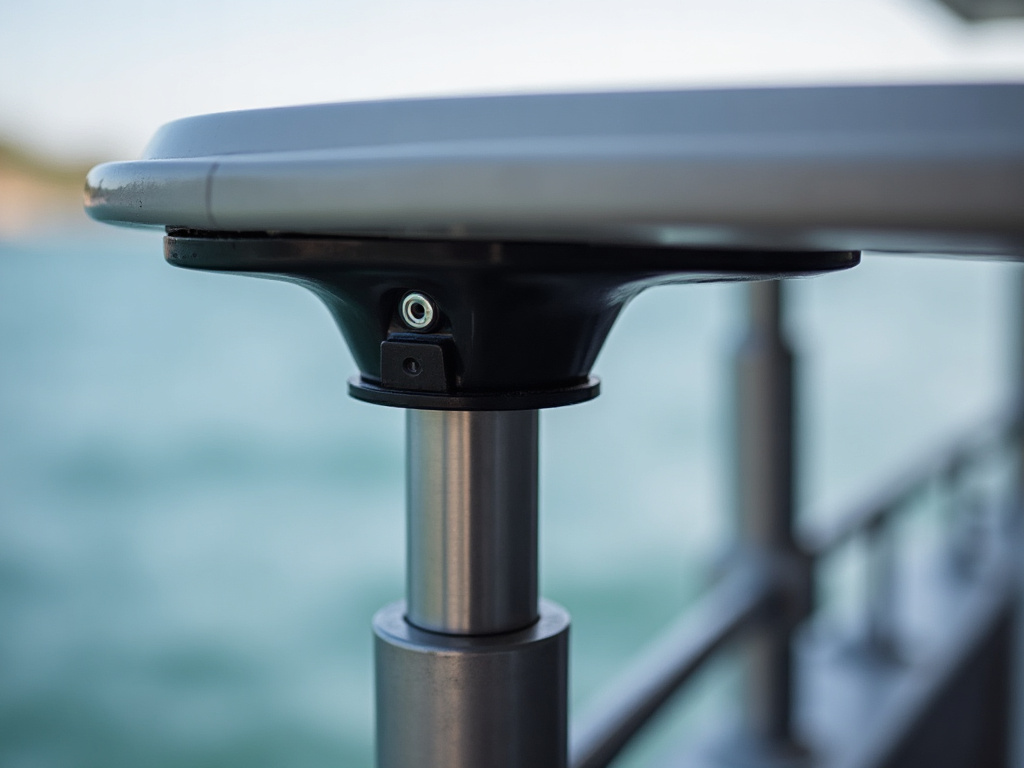
When selecting Pedestals for your project, material choice is a critical decision. Pedestals, as the name suggests, leverages timber as its primary material, known for its strength, durability, and esthetic appeal. Understanding the different timber types available and their unique properties is essential. Hardwoods like oak and maple offer superior strength and resistance to warping, making them ideal for high-traffic areas or when showcasing premium products. Softwoods, such as pine or cedar, are lighter and more cost-effective, suitable for temporary displays or smaller-scale applications.
The longevity of your Timbur Pedestal depends not only on material choice but also on the construction quality. Look for robust joinery and high-quality finishes that protect against moisture and UV exposure, ensuring the structure remains stable over time. Depending on the project’s scope and expected lifespan, manufacturing time can vary. Most custom designs can be completed within one to two weeks, allowing for prompt installation and minimal disruption to your event or retail flow.
To qualify for Pedestals, consider the following: your budget, the desired visual impact, and the specific needs of your project. For pop-up shops or product launches, lightweight, easily transportable pedestals may be preferred, while fashion shows might demand more elaborate, durable structures. Assessing these factors ensures you select pedestals that not only meet but exceed your project’s requirements, contributing to a successful visual merchandising strategy.
| Factor | What to know |
|---|---|
| Installation Time | Most installations take one to two days, depending on project size |
| Material Options | Hardwoods like oak/maple offer strength; softwoods like pine/cedar are lighter, cost-effective |
| Manufacturing Time | Custom designs can be completed within one to two weeks |
| Proper Leveling | Essential to prevent product slippage and maintain professional appearance |
| Provider Selection | Choose experienced suppliers offering durable construction and maintenance services |
| Maintenance Needs | Regular inspection and re-tightening prolongs pedestal lifespan |
Best Practices: Ensuring Longevity and Safety with Timbur Pedestals
Ensuring longevity and safety with Pedestals is paramount, especially considering their frequent use in dynamic retail environments. When selecting a provider, begin by evaluating the supplier’s experience in crafting display systems that can withstand heavy foot traffic and varying weather conditions. The best providers offer durable construction techniques and materials that prevent warping, rust, or other structural failures.
How do you choose the pedestals provider? Consider looking for companies that specialize in retail storefronts and visual merchandising. They understand the unique challenges of public spaces and can tailor solutions to meet specific needs. A provider might include custom branding options, ensuring your Pedestals align with your overall store design. Seek out providers who offer ongoing maintenance and repair services to extend the life of your investment.
The scope of services provided by the pedestals supplier can greatly impact the overall experience. A comprehensive offering may include assembly, installation, and disassembly services, ensuring your displays are always set up correctly and safely. Some providers also offer leasing options, which can be cost-effective for pop-up shops or short-term product launches. For longer-term use, such as fashion shows, consider providers who can customize the pedestals to display specific product lines or themes, enhancing the overall customer experience.
Frequently Asked Questions About Timbur Pedestals
What are Pedestals?
Pedestals, also known as concrete pedestals, are sturdy, reinforced concrete bases designed to elevate and support various structures, such as buildings, signs, or equipment. They provide a stable and durable solution for long-term installations, preventing direct contact between the structure and the ground. This design minimizes soil pressure, ensuring the structural integrity of the building and preventing damage from frost heave or erosion.
How are Pedestals installed?
Installation involves several steps, starting with site preparation to ensure the soil is compacted and level. Holes are then dug to the required depth, and the pedestals are placed and levelled. Reinforcing bars are added and secured with concrete, creating a robust foundation. The process requires precise measurement and engineering to ensure the pedestals align with the structure’s layout and bear the intended weight.
What are the advantages of using Pedestals?
Pedestals offer several benefits, including increased structural stability, reduced settlement issues, and improved longevity. By lifting structures off the ground, they protect against soil movement, extreme temperatures, and moisture, which can cause damage or deformity. This makes them ideal for critical infrastructure, commercial buildings, and areas prone to environmental changes.
Are Pedestals suitable for all construction projects?
While Pedestals are versatile, their suitability depends on various factors. These include local soil conditions, the structure’s weight and size, and specific project requirements. Projects in areas with expansive soils or high water tables may require alternative foundation solutions. Consulting a structural engineer is crucial to determine the most appropriate foundation type for any given project.
What materials are used to construct Pedestals?
Pedestals are primarily made from high-strength concrete, reinforced with steel bars or mesh. The concrete mixture and reinforcement design vary based on the project’s needs, ensuring the pedestals withstand local environmental conditions. The use of durable materials ensures the pedestals’ longevity and structural integrity, even under heavy loads.
How long do Pedestals typically take to set?
The setting time for Pedestals can vary depending on several factors, including concrete mixture, temperature, and humidity. Generally, the process takes one to two days for the concrete to cure sufficiently. Proper formwork and protection during this period are essential to ensure the pedestals achieve their full structural potential.
Can Pedestals be removed or relocated?
While designed for long-term use, Pedestals can be removed or relocated with the right tools and expertise. The process involves cutting and lifting the pedestals, which requires specialized equipment and careful planning. It’s crucial to assess the feasibility and potential damage during relocation to ensure the structure’s safety and stability.
Pedestals offer a versatile and durable solution for various visual merchandising needs, from retail storefronts to pop-up shops and product launches. By carefully selecting materials and adhering to best practices during installation, users can ensure the longevity and safety of these displays. The article has highlighted the importance of material science, construction techniques, and application-specific considerations when working with Pedestals. Moving forward, understanding these key insights will empower businesses and designers to leverage the full potential of Pedestals, enhancing their visual impact and contributing to successful and safe installations in Coral Springs and beyond.
Timbur
11 Middel Road Sunrella, Lanseria, 1739, South Africa
072 473 0380
Website: timbur.co.za
View Timbur on Google Maps
For related local guidance, see our timbur pedestals resources.