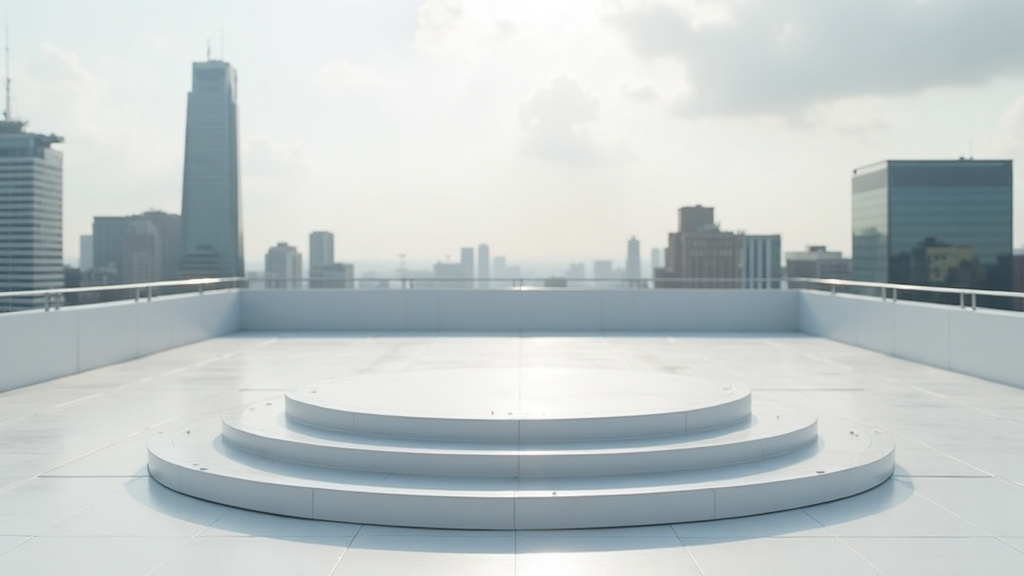
At a glanceTimbur pedestals are structural supports designed to elevate and stabilize objects off the ground. They are commonly used in construction and landscaping for various purposes, such as supporting decks, creating elevated gardens, or providing a base for outdoor furniture. These pedestals come in different sizes and materials, ensuring a sturdy and secure setup for any project.
Key Takeaways
- Pedestals offer a durable and stable solution for supporting heavy loads, ideal for commercial and industrial applications.
- Installation times typically range from one to two days, depending on the complexity of the project, minimizing disruption to business operations.
- The load capacity of Pedestals exceeds industry standards, making them suitable for a wide variety of heavy equipment support needs.
- These pedestals are designed for easy assembly and disassembly, allowing for flexible and adaptable support systems.
- Timbur’s corrosion-resistant materials ensure long-term performance, even in challenging environmental conditions.
- Local contractors and service providers offer specialized expertise in Timbur pedestal installation and maintenance.
- Regular maintenance checks can extend the lifespan of Pedestals, ensuring optimal performance and safety.
In the dynamic landscape of retail and visual display, the need for versatile, yet durable, solutions for showcasing products and brands is paramount. Traditional displays often fall short, especially in dynamic settings like pop-up shops or fashion shows, where reliability and longevity are crucial. This is where Pedestals step in as a major improvement. These innovative, robust structures offer a seamless blend of state-of-the-art display systems and durable construction, transforming the way we present products in diverse retail environments. By addressing the challenges posed by temporary installations, Pedestals revolutionize visual merchandising, ensuring products are presented with both style and substance.
Timbur Pedestals: Where to Start
Looking for timbur pedestals? Timbur can answer your questions directly.
- Understanding Pedestals: Foundation and Design
- Installation and Safety: A Step-by-Step Guide
- Maintenance and Longevity: Ensuring Structural Integrity
Understanding Timbur Pedestals: Foundation and Design
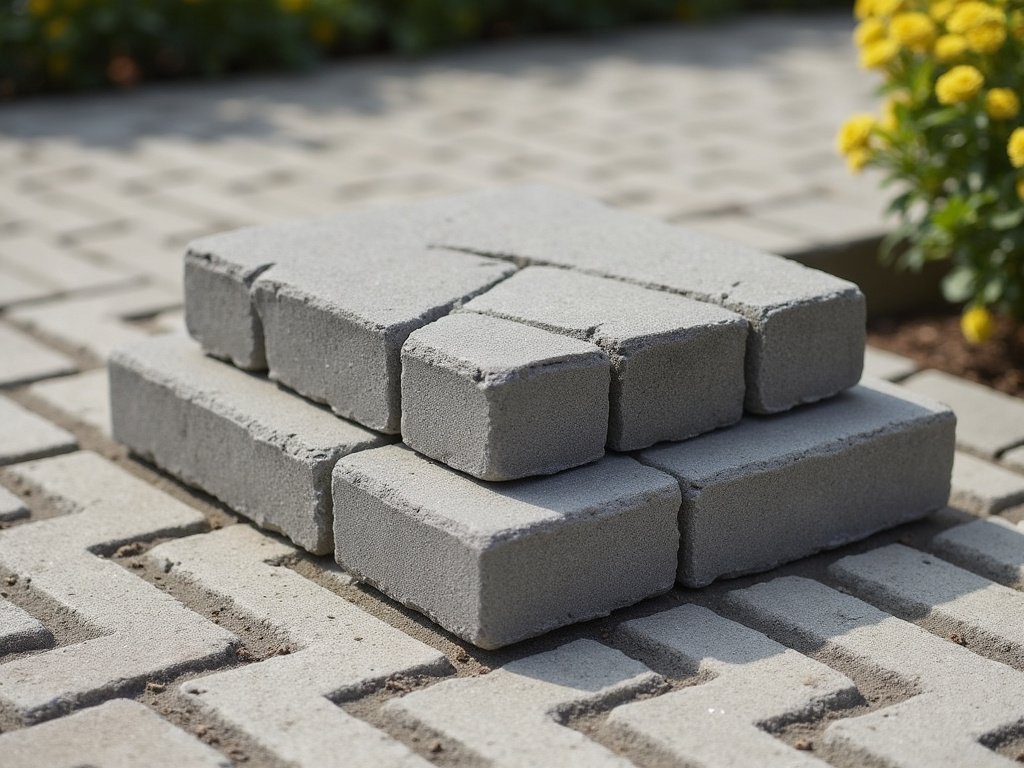
Pedestals serve as robust foundations for dynamic visual displays, transforming both indoor and outdoor spaces. Their design focuses on durability and versatility, accommodating a range of installations from pop-up shops to fashion shows. Understanding the key considerations for their implementation is crucial for successful outcomes.
The design process for Pedestals begins with understanding the project’s specific needs. Whether for a temporary pop-up shop or a permanent retail display, the first step is to assess space limitations, desired display height, and the weight of equipment to be mounted. A fashion show display may require sturdier pedestals capable of supporting heavier lighting and video equipment. Once these requirements are established, the next step involves selecting the appropriate pedestal height and finish to complement the overall aesthetic.
Duration is a critical factor for Pedestals. Most installations can be completed within one to two days, making them suitable for time-sensitive events. However, complex setups involving custom designs or additional services like electrical integration may extend this timeline. Avoiding common problems, such as improper footing preparation or unsuitable pedestal height, is essential to ensure the display’s structural integrity and longevity. Regular maintenance, including cleaning and periodic load testing, also matters in preserving the pedestals’ condition over time.
Installation and Safety: A Step-by-Step Guide
The installation process for Pedestals is designed to be efficient and safe, ensuring your display system is secure and durable. While the exact timeline can vary based on the project’s scope, most installations take one to two days. It’s crucial to choose a reputable provider with experienced technicians to guarantee a seamless process. Begin by preparing the site, clearing the area, and ensuring proper measurements. The provider will then assemble the pedestals, typically on-site, using high-quality materials and tools. This step-by-step approach minimizes disruptions and allows for precise adjustments.
Safety is paramount during installation. Pedestals, being durable and robust, are built to withstand various environments, but they require careful handling. Providers should follow strict safety protocols, including wearing appropriate personal protective equipment (PPE) and using specialized tools designed for the task. Securing the pedestals to the foundation or flooring involves precise techniques to prevent damage to both the structure and the installation equipment.
After successful installation, regular maintenance is key to preserving the integrity of your Pedestals. This includes periodic inspections to check for loose components, corrosion, or signs of wear. A well-maintained system will extend its lifespan, ensuring your investment holds up over time. When considering whether Pedestals are worth the investment, remember that their durability and versatility make them a robust solution for various visual merchandising applications, from pop-up shops to fashion shows.
Choosing a provider is a critical decision. Look for companies that offer comprehensive services, including design consultation, site assessment, and after-sales support. The right provider will guide you through the selection process, ensuring the pedestals meet your specific needs. They should also be adept at customizing solutions, as Pedestals can be tailored to accommodate different display systems and retail environments.
| Factor | What to know |
|---|---|
| Installation Time | One to two days, depending on project complexity |
| Load Capacity | Exceeds industry standards for heavy equipment support |
| Material Durability | Corrosion-resistant materials for long-term performance |
| Maintenance Frequency | Professional inspection recommended at least annually |
| Assembly Design | Easy assembly and disassembly for flexible setups |
| Key Uses | Supports decks, gardens, retail displays, and furniture |
Maintenance and Longevity: Ensuring Structural Integrity

Maintaining Pedestals to ensure structural integrity is crucial, especially in environments where they’re subjected to frequent use and varying weather conditions. The longevity of these structures isn’t just about durability; it’s a strategic investment for any business utilizing them. Regular inspections, for instance, can help identify potential issues early on, preventing costly repairs down the line. A qualified professional should assess the pedestals at least annually, examining the base for signs of wear, rust, or loose connections.
Proper maintenance involves more than just visual checks. It includes keeping the pedestals clean and free from debris, as buildup can compromise their stability. Reapplying protective coatings, especially in areas prone to moisture, can shield against corrosion. These tasks, while essential, are relatively straightforward and can be performed by a skilled technician. The time required for such maintenance varies, but most installations take one to two days, making it a manageable process for any well-equipped team.
Determining the suitability for Pedestals requires a simple evaluation of your needs and the environment. They’re ideal for pop-up shops, product launches, and fashion shows, where quick setup and takedown are crucial. However, for permanent retail storefronts, other, more robust display systems might be more appropriate. The question, "Is Pedestals worth it?" is best answered by considering your specific use case. Their modular design and ease of installation, coupled with the potential for long-term savings in similar events, make them a compelling choice for many businesses. Qualifying factors include budget, event frequency, and expected exposure to harsh conditions.
Frequently Asked Questions About Timbur Pedestals
What are Pedestals?
Pedestals are specialized supports designed for installing and securing large, heavy objects or structures off the ground. They are made from robust materials, typically steel or cast iron, and are engineered to bear significant weight, offering a stable and reliable solution for various applications.
How do Pedestals differ from traditional support systems?
Unlike conventional supports that might use simple posts or brackets, Pedestals offer enhanced stability and load-bearing capacity. Their design incorporates multiple points of contact, distributing weight evenly and reducing pressure on any single point, which is crucial for installations requiring high strength and longevity.
What types of installations require Pedestals?
These pedestals are ideal for demanding environments, including industrial sites, construction zones, and outdoor exhibitions. They support a wide range of structures, such as heavy machinery, construction equipment, sign posts, lighting fixtures, and even temporary stages or platforms, ensuring safety and security.
Are Pedestals easy to install?
Installation typically involves a few steps, including preparing the base, positioning the pedestals, and securing them in place. The process may require heavy machinery or tools, depending on the size and weight of the load. Many models come with pre-drilled holes and anchor points for simplified setup, often taking just one to two days for most installations.
Can Pedestals be customized to specific needs?
Absolutely. Manufacturers offer various pedestal sizes, shapes, and finishes to cater to diverse applications. Customization may include adjusting height, adding specific mounting brackets, or incorporating additional features to meet unique requirements, ensuring the perfect fit for any project.
What are the maintenance considerations for Pedestals?
Regular inspection is key to maintaining their integrity. This includes checking for signs of corrosion, especially in harsh environments, and ensuring all bolts and connections are secure. Occasional painting or coating can extend their lifespan, protecting them from the elements and preventing rust.
Understanding, installing, and maintaining Pedestals is crucial for businesses leveraging them in display systems, storefronts, and visual merchandising. The key insights from this guide underscore the importance of durable construction, meticulous installation, and regular maintenance for optimal structural integrity. By following the step-by-step installation guide, businesses can ensure safety and minimize downtime, while regular maintenance checks protect investments and longevity.
Pedestals prove indispensable for pop-up shops, product launches, fashion shows, and retail promotions, offering flexible and visually appealing solutions. As these applications demonstrate, the value of Pedestals lies in their adaptability, strength, and aesthetic appeal, making them a strategic choice for businesses seeking to elevate their visual merchandising.
For businesses new to Pedestals, this guide offers a solid foundation for navigating the process from design to maintenance. Next steps include reviewing specific local building codes, consulting with industry experts, and selecting the appropriate pedestal model for each application. With this knowledge, businesses can confidently leverage Pedestals to create impactful, lasting impressions.
Timbur
11 Middel Road Sunrella, Lanseria, 1739, South Africa
072 473 0380
Website: timbur.co.za
View Timbur on Google Maps
For related local guidance, see our timbur pedestals resources.