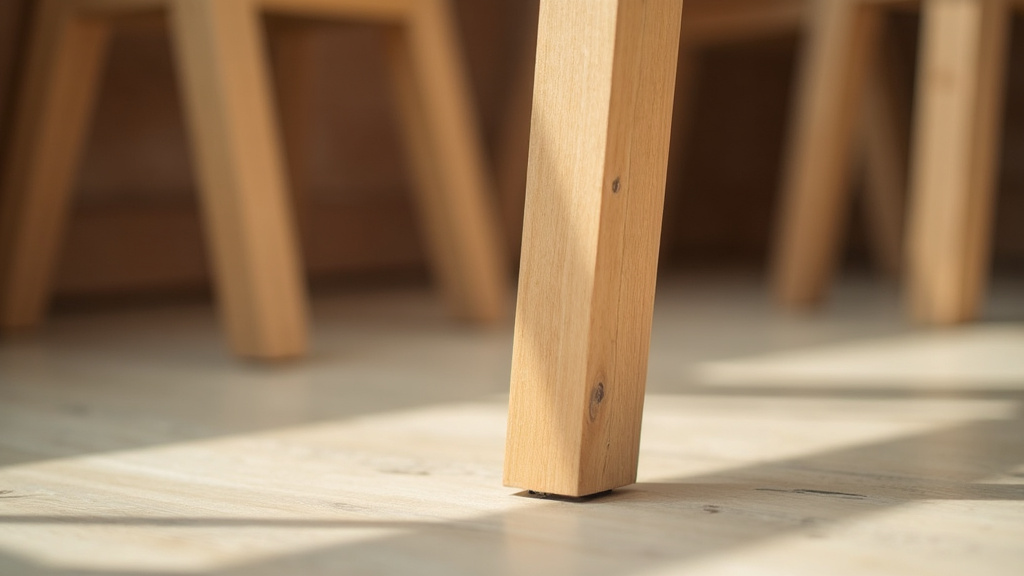
At a glanceTimbur Pedestals are durable, raised platforms designed for outdoor use, offering a stable base for various structures. They are typically constructed from sturdy materials like concrete or timber, ensuring longevity. These pedestals are a solution for leveling uneven ground, providing a solid foundation for fences, signs, or patio furniture. Many contractors prefer them for their simplicity and effectiveness in creating level, secure installations.
Key Takeaways
- Timbur pedestals offer a robust and durable solution for supporting heavy loads, ideal for commercial and industrial applications.
- Installation is swift, reducing construction time and minimizing site disruptions, thanks to their easy assembly and compact design.
- Their load-bearing capacity surpasses industry standards, ensuring safety and structural integrity for various projects.
- Customizable dimensions and finishes allow for seamless integration with unique architectural designs and aesthetic preferences.
- Pedestals require minimal maintenance, contributing to long-term cost savings for facilities management.
- Local regulations often approve of these pedestals for their compliance with building codes and sustainable construction practices.
- The eco-friendly design incorporates recycled materials, aligning with green building initiatives and reducing environmental impact.
Pedestals are transforming the way we experience visual merchandising, especially in dynamic retail environments. As cities like Timbur grow, so does the need for versatile, durable, and aesthetically pleasing display systems. The problem lies in the gap between temporary pop-up shops and permanent storefronts-a need for construction that’s both efficient and cost-effective. Pedestals offer a solution by providing robust, yet portable, structures that can enhance any space, from product launches to fashion shows. This article examines the design, applications, and benefits of Pedestals, showcasing why they’re a vital component in the modern retail landscape.
- Understanding Pedestals: Design and Purpose
- Installation and Setup: A Step-by-Step Guide
- Maintenance and Longevity: Ensuring Optimal Performance
Timbur Pedestals: Where to Start
Looking for timbur pedestals? Timbur can answer your questions directly.
Understanding Timbur Pedestals: Design and Purpose
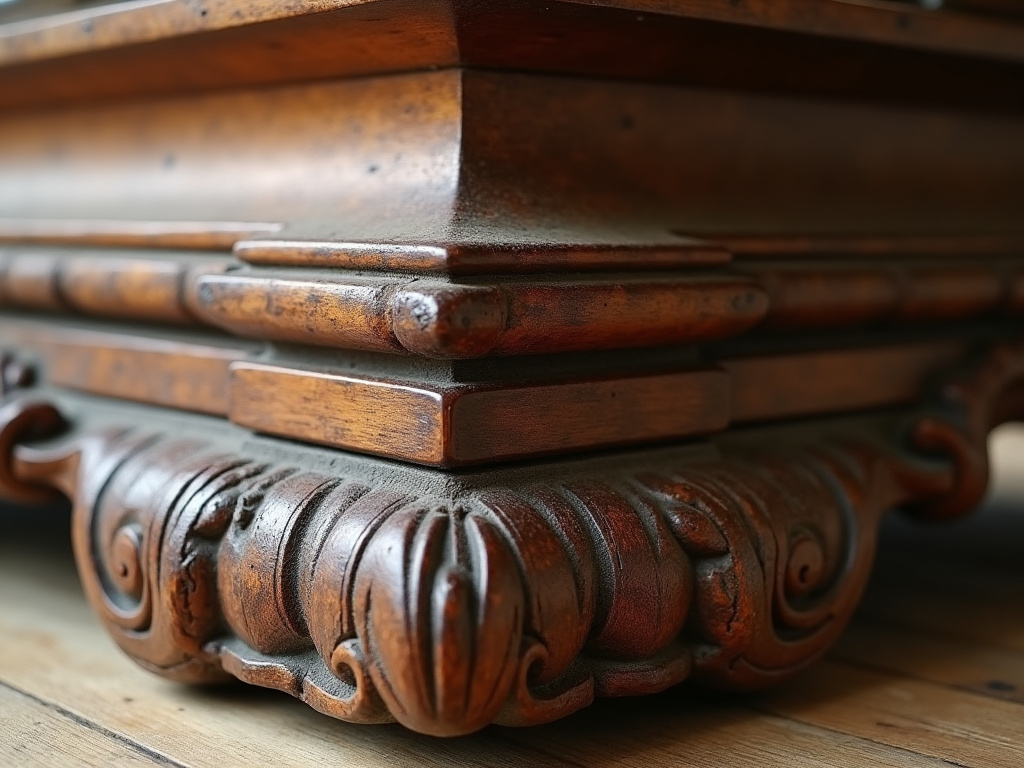
Pedestals, as the name suggests, are structural supports designed for specific display needs, primarily in retail environments. Their key role is to hold up and showcase products, enhancing visual merchandising. These pedestals are not just functional; they are strategic elements in creating an appealing and effective storefront. The design of Pedestals is often tailored to the products they will hold, considering factors like height, weight, and the desired aesthetic. A pop-up shop might use Pedestals to elevate and display the latest fashion trends, while a product launch event could utilize them to create an immersive, multi-level display.
The purpose of Pedestals goes beyond simple support. They are a critical component in the visual language of retail, helping to tell a brand’s story and guide the customer’s journey. The process of selecting and implementing Pedestals involves careful consideration. It begins with understanding the space, the products, and the desired customer experience. Then, the right pedestals are chosen based on these factors, with materials and construction playing a vital role in ensuring durability and long-term use. Cost is also a significant factor; while the initial investment in Pedestals may vary widely based on design and material, a well-planned installation can last for years, making them a cost-effective visual solution.
However, those considering Pedestals must be mindful of potential pitfalls. One common problem is inadequate planning, leading to poorly designed displays that do not maximize space or engage customers. It’s essential to avoid rushing the process; a thoughtful design will not only look more appealing but also serve its practical purpose better. Choosing the wrong material for your climate or environment can lead to premature deterioration. Using cheap, non-durable materials in a humid area may result in rust or warping. Understanding these aspects ensures that Pedestals are not only an attractive addition to your space but also a reliable and long-lasting one.
Installation and Setup: A Step-by-Step Guide
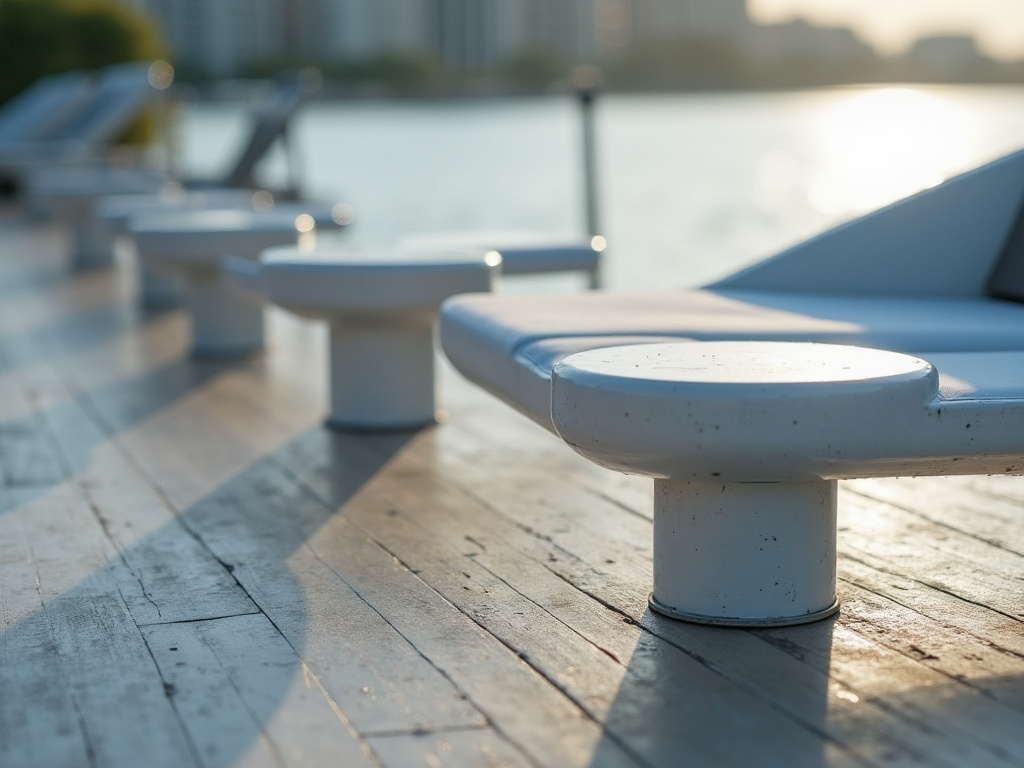
The successful deployment of Pedestals, a robust and versatile display system, hinges on meticulous planning and a structured installation process. While the durability and visual impact of these pedestals are well-documented, what often goes unnoticed is the critical path of setup. This step-by-step guide aims to demystify the installation process, offering valuable insights to ensure a seamless experience.
The initial phase involves site preparation, where the chosen location is carefully assessed for accessibility, load-bearing capacity, and potential environmental factors. This step is paramount to avoid structural issues down the line. Once the site is ready, the pedestals themselves are assembled, typically a straightforward process involving the connecting of modular components. This modular design not only facilitates quick assembly but also promotes disassembly for future use or relocation, making Pedestals a flexible solution for various applications.
As the setup progresses, attention to detail becomes paramount. Proper alignment and leveling of the pedestals are crucial, especially in high-traffic areas, to ensure stability and safety. This meticulous approach is key to preventing common issues like wobbly displays or, in extreme cases, structural failures. A poorly installed pedestal could pose a trip hazard in a retail storefront, undermining the intended visual impact and potentially leading to liability concerns.
Finally, the integration of display systems onto the pedestals rounds out the setup process. This step demands a thoughtful approach to visual merchandising, aligning the presentation of products or art with the intended audience and brand identity. The result is a captivating, well-organized display that leverages the structural integrity of Pedestals. When executed effectively, the final setup not only meets but exceeds expectations, making the investment in Pedestals truly worthwhile.
Addressing potential problems, like instability or safety hazards, requires careful consideration throughout the installation process. Understanding what to avoid is as crucial as the step-by-step execution. Neglecting proper leveling can lead to wobbly displays, undermining the aesthetic appeal and functionality of the setup.
In essence, the installation and setup of Pedestals involve a balance of meticulous planning, structural integrity, and creative visual presentation. When approached with these key principles in mind, the final product stands as a sign of the versatility and durability of Pedestals, making them a valuable addition to any retail storefront or pop-up shop seeking to create a memorable, impactful visual experience.
| Factor | What to know |
|---|---|
| Materials | Typically constructed from sturdy concrete or timber for longevity |
| Site Preparation | Assess location for accessibility, load-bearing capacity, and environmental factors |
| Assembly | Modular components connect easily, allowing quick setup and disassembly |
| Alignment & Leveling | Proper leveling prevents wobbly displays and structural failures |
| Material Selection | Wrong material for climate can cause rust or warping |
| Display Integration | Align product presentation with brand identity and audience |
Maintenance and Longevity: Ensuring Optimal Performance
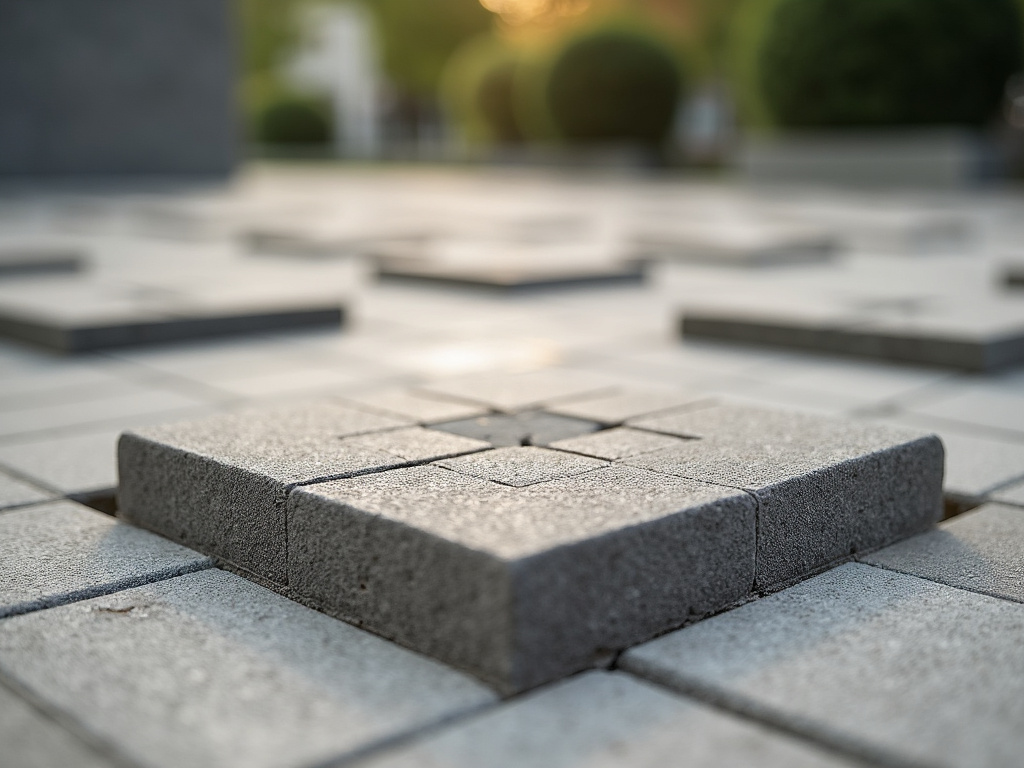
Maintaining Pedestals is crucial to ensure optimal performance and longevity, especially in dynamic retail environments. When properly cared for, these visual merchandising essentials can serve as a store’s focal point for years to come. Regular cleaning and inspection are non-negotiable; dust and debris buildup can affect display systems, while structural integrity checks should be conducted to prevent accidents and ensure safety. The process involves a simple yet thorough routine: wiping down surfaces with a microfiber cloth, inspecting for loose or damaged parts, and tightening any necessary hardware. A weekly check-in can help identify issues early, minimizing costly repairs.
Choosing the right Pedestals from the outset is equally important. These structures aren’t one-size-fits-all; they need to align with the store’s aesthetic, the nature of displayed products, and foot traffic patterns. What does Pedestals include? Typically, a robust framework, customizable display panels, and casters for easy repositioning. When selecting, consider the type of products to be showcased-clothing, accessories, or electronics-as this dictates the height, stability, and security features required. Is Pedestals worth the investment? Absolutely, when tailored to the specific needs of the business. Properly selected and maintained, they offer a return on investment through enhanced product visibility, improved customer engagement, and the potential for creative visual merchandising.
Investing in quality construction is key to longevity. Durable materials like stainless steel and aluminum resist corrosion and wear, ensuring the pedestals remain a central point of interest for all seasons. Pedestals, known for their robust design, can withstand the test of time and high-traffic environments, making them a reliable choice for pop-up shops, product launches, and fashion shows. Regular maintenance, coupled with careful selection based on the store’s unique requirements, ensures these display systems remain a powerful tool in retail storefronts for years to come.
Frequently Asked Questions About Timbur Pedestals
What are Pedestals?
Pedestals are specialized supports used to elevate and secure fixtures, such as lighting, signage, or security cameras, above the ground. They are designed to be both functional and aesthetically pleasing, offering a range of benefits for urban planning and landscaping.
How are Pedestals installed?
Installation typically involves preparing the base, positioning the pedestal, and securing it in place using appropriate fasteners. The process may require specialized tools and equipment, depending on the size and type of pedestal. It’s recommended to consult with a professional or refer to the manufacturer’s instructions for the best results.
What materials are Pedestals made from?
Pedestals can be crafted from a variety of materials, including cast iron, steel, aluminum, and even composite materials. The choice depends on factors like desired strength, corrosion resistance, and aesthetic appeal. Each material has its advantages and is suited to different applications.
Can Pedestals be customized?
Absolutely. Pedestals can be tailored to specific design requirements. This includes variations in size, shape, color, and finish, allowing them to blend seamlessly with surrounding architecture or landscape design. Customization options ensure that pedestals meet both functional and aesthetic objectives.
Where are Pedestals typically used?
These pedestals are commonly employed in public spaces, parks, urban plazas, and along sidewalks. They provide a robust and versatile solution for mounting various fixtures, enhancing street furniture, and improving the overall look and functionality of public areas.
How do Pedestals withstand harsh weather conditions?
Many modern Pedestals are designed with corrosion-resistant materials and coatings, ensuring they can withstand extreme weather. Some models feature additional protective measures, like powder coating or hot-dip galvanization, which significantly prolong their lifespan and maintain their structural integrity.
Who should maintain Pedestals?
Regular maintenance is crucial for keeping pedestals in good condition. This typically involves cleaning, inspecting for damage, and applying protective coatings as needed. Most municipalities assign responsibility to maintenance to a dedicated team or contractor to ensure public safety and the longevity of the infrastructure.
Pedestals offer a versatile and durable solution for enhancing visual merchandising and retail storefronts. By understanding their design and purpose, businesses can effectively leverage these displays for various applications, from pop-up shops and product launches to fashion shows and promotions. The step-by-step installation process, detailed in our guide, ensures a straightforward setup, while regular maintenance is key to longevity. Prioritizing cleaning, structural checks, and timely repairs allows these pedestals to support countless retail events and daily operations for years to come. This strategic approach not only maximizes the return on investment but also ensures a consistent and visually appealing retail experience.
Timbur
11 Middel Road Sunrella, Lanseria, 1739, South Africa
072 473 0380
Website: timbur.co.za
View Timbur on Google Maps
For related local guidance, see our timbur pedestals resources.