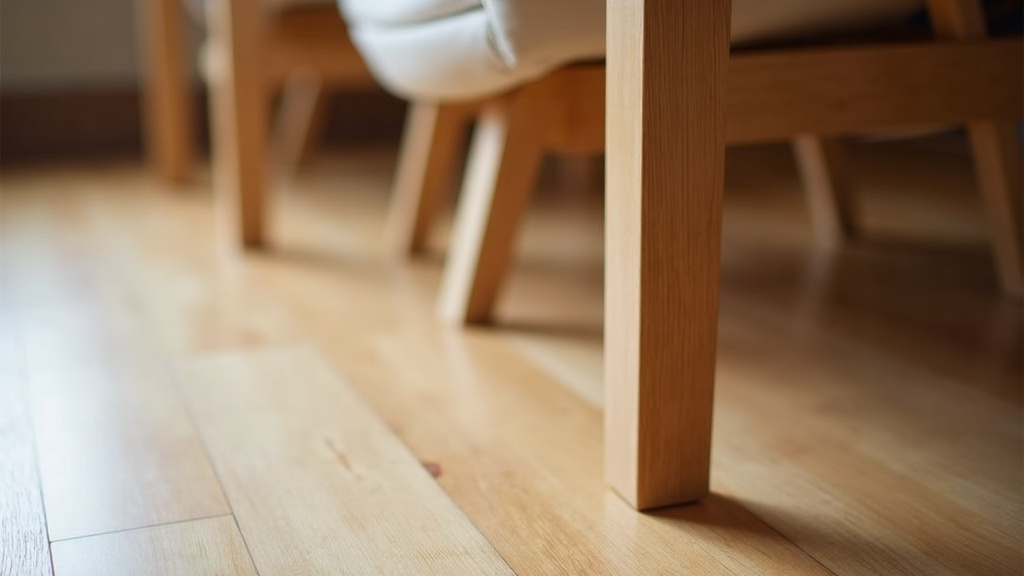
At a glanceTimber pedestals are vertical supports used to elevate and support windows, especially in replacement window installations. They are made from durable materials like wood or metal, ensuring stability and security. In Westgate, when replacing windows, these pedestals are crucial for a proper fit, offering both structural support and aesthetic appeal to enhance the home’s exterior.
Key Takeaways
- Timber pedestals offer a versatile and customizable solution for raising structures off the ground, providing excellent stability and protection against moisture.
- They are particularly useful for creating dry, level foundations in areas prone to water logging or where soil conditions are less than ideal.
- Properly installed timber pedestals can extend the lifespan of buildings and infrastructure by protecting them from wood-destroying insects and fungal decay.
- The choice of timber species for pedestals plays a crucial role in their durability; hardwoods like cedar and eucalyptus are often recommended for outdoor applications.
- Local building codes and regulations should be carefully considered when designing and installing timber pedestal systems for safety and structural integrity.
- For unique architectural designs, custom-sized and shaped pedestals can be fabricated to meet specific requirements while ensuring structural integrity.
- Regular maintenance, including sealing and refinishing, is essential to preserve the integrity and appearance of timber pedestals over time.
In the dynamic world of retail and visual merchandising, captivating and innovative displays are key to engaging customers and promoting products. Traditional pedestals often fall short in this regard, leading to a pressing need for versatile and impactful solutions. This is where Timbur Pedestals step in as a major improvement. These advanced displays, designed with durability and aesthetics in mind, offer retail businesses a powerful tool to elevate their storefronts and pop-up shops. By seamlessly integrating with display systems and visual merchandising strategies, Pedestals transform the retail landscape, ensuring products make a lasting impression on consumers. This article examines the features, applications, and benefits of these pedestals, providing valuable insights for businesses seeking to optimize their visual merchandising efforts in Westgate.
Timbur Pedestals: Where to Start
Looking for timbur pedestals? Timbur can answer your questions directly.
- Understanding Pedestals: Design and Function
- Installation and Setup: A Step-by-Step Guide
- Maintenance and Longevity: Ensuring Pedestals Last
Understanding Timbur Pedestals: Design and Function
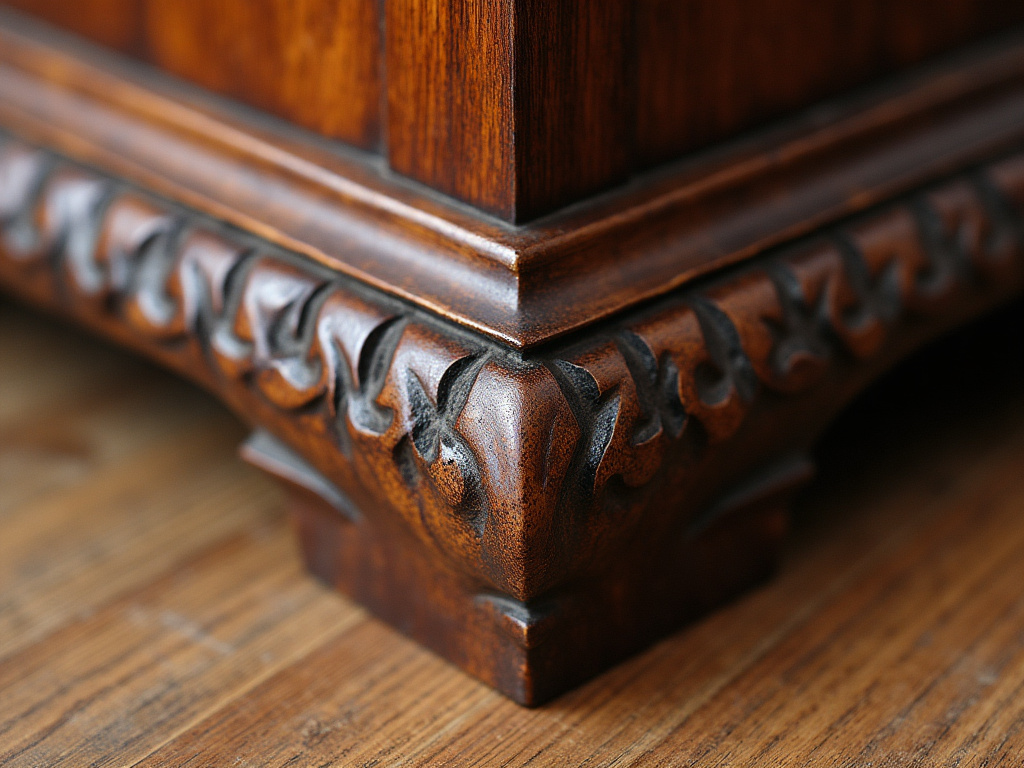
Understanding Pedestals: Design and Function
Pedestals are a versatile and durable solution for enhancing retail storefronts and display systems. Their design versatility allows them to be seamlessly integrated into a variety of visual merchandising scenarios, from pop-up shops to fashion shows. The primary benefit lies in their ability to elevate products, providing both a visual and physical barrier that guides customer experience. In a retail promotion, Pedestals can be used to create an eye-catching display, drawing attention to a specific product or collection while offering a secure platform for dynamic presentations.
The pedestals process involves careful consideration of both the structural and aesthetic requirements of the space. The first step is assessing the load-bearing capacity and the dimensions of the area where the pedestals will be placed. Once this is established, the design phase begins, ensuring the pedestals complement the overall visual merchandising strategy. Material selection is crucial; Pedestals are typically constructed from durable materials like steel or aluminum to withstand heavy use in high-traffic areas.
When selecting Pedestals, avoid common pitfalls such as choosing poorly designed or constructed pedestals that might wobble or topple, disrupting the customer experience. Opt for models with a solid track record of stability and reliability. Consider the ease of setup and maintenance. Some pedestals come with pre-assembled components and simple, tool-free adjustments, making them a smart choice for retailers who value time-saving solutions. Whether planning a temporary pop-up shop or a permanent retail makeover, understanding your design and functional needs, and choosing the right Pedestals, can elevate your visual merchandising efforts to new heights.
Installation and Setup: A Step-by-Step Guide
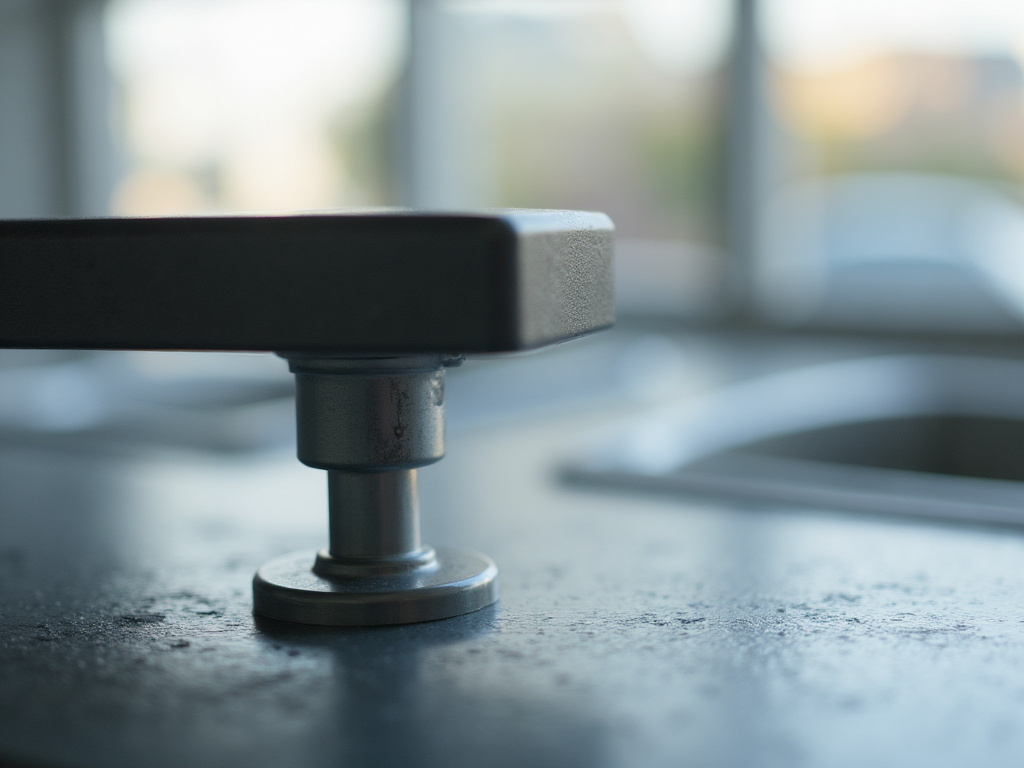
The installation and setup of Pedestals involves a meticulous process designed to ensure stability, durability, and visual impact. First, measure the desired location to determine the correct pedestal size. This step is crucial for both aesthetic and structural integrity, as each pedestal is tailored to specific weight and space requirements. Once measured, drill pilot holes for the pedestal anchors, ensuring the holes align with the building’s structural elements for maximum hold. This meticulous preparation is key to the long-term success of the installation.
Following the pilot hole drilling, insert the provided anchors and secure them with the appropriate hardware. The anchors serve as the foundation for the pedestals, distributing the weight evenly and preventing shifting. After anchor placement, position the pedestals in the desired location, ensuring they are level and aligned correctly. This step requires precision and often involves multiple pairs of hands to handle the heavy components. Once in place, tighten the hardware according to the manufacturer’s guidelines, locking the pedestals securely into position.
The entire installation and setup process typically takes one to two days, depending on the complexity of the site and the number of pedestals involved. This timeline includes preparation, anchor placement, pedestal positioning, and final securing. The result is a robust and visually appealing support system ready to accommodate a variety of displays and installations, from pop-up shops to product launches. The investment in Pedestals is worth considering for businesses seeking a solution that combines strength and style, offering a flexible and reusable platform for dynamic visual merchandising in Retail Storefronts and Fashion Shows.
| Factor | What to know |
|---|---|
| Material choice | Durable woods like cedar, eucalyptus, or metals like steel, aluminum |
| Installation time | Typically takes one to two days depending on complexity |
| Load assessment | First step: evaluate load-bearing capacity and area dimensions |
| Anchor placement | Drill pilot holes aligned with structural elements for hold |
| Maintenance needs | Regular cleaning and corrosion-resistant finishes prevent rust damage |
| Building codes | Must follow local regulations for safety and structural integrity |
Maintenance and Longevity: Ensuring Timbur Pedestals Last
Maintaining Pedestals for optimal longevity involves addressing specific challenges and understanding the most common issues to avoid. The robust yet delicate nature of these display systems requires careful attention to detail, especially in areas prone to harsh weather conditions or high foot traffic. One of the primary problems to watch out for is rust, which can quickly compromise the integrity of the metal components, especially if the pedestals are not properly coated or treated. Regular cleaning and application of corrosion-resistant finishes are crucial, particularly in outdoor settings.
To routine maintenance, understanding the alternatives to Pedestals can provide valuable insights into optimizing your visual merchandising strategy. While these pedestals are renowned for their durability and versatility, other options like stainless steel or aluminum displays might offer enhanced resistance to specific environmental factors. Aluminum is lightweight yet robust, making it suitable for temporary installations or areas requiring frequent reconfiguration. However, it may not withstand the same level of wear and tear as Pedestals. The key is to match the material and design to the specific needs of your location and intended use.
Installation time is another critical consideration. Most Pedestals installations can be completed within one to two days, depending on the complexity of the setup. This efficiency is a significant advantage, ensuring minimal disruption to your retail operations. For pop-up shops or temporary events, this quick turnaround is especially valuable. Nevertheless, adequate preparation and planning are essential to manage expectations and ensure the project stays on schedule. Allowing sufficient time for delivery, assembly, and any necessary permits or site preparations will contribute to a smooth and timely installation process.
Frequently Asked Questions About Timbur Pedestals
What are Pedestals?
Pedestals are structural supports used to elevate and support windows, doors, or other openings in a building’s frame. They are designed to provide a stable and secure base for these openings, ensuring they remain level and aligned over time. Crafted from high-quality materials, they are a crucial component in the construction and renovation of Westgate homes.
How do Pedestals differ from traditional supports?
Unlike traditional supports that rely solely on direct contact with the building’s frame, Pedestals offer a more advanced system. They feature adjustable feet and levelers, allowing for precise installation and compensating for minor imperfections in the floor or wall. This ensures a level and stable platform for the opening, enhancing the overall structural integrity.
What benefits do Pedestals provide during installation?
Installation is streamlined with Pedestals due to their ease of adjustment. Contractors can quickly level the opening, ensuring accurate alignment. This precision reduces the need for extensive rework, saving time and labor costs. The adjustable design allows for future modifications, making them a flexible option for various building projects in Westgate.
Are Pedestals suitable for all types of openings?
These pedestals are versatile and can accommodate a range of openings, from standard windows and doors to larger architectural openings. Their adjustable nature ensures a custom fit, catering to different sizes and configurations. This versatility makes them a popular choice for both new construction and renovation projects throughout Westgate.
How long do Pedestals typically last?
With proper installation and maintenance, Pedestals are designed to withstand the test of time. They are built to last, often outliving the building itself. The longevity of these pedestals ensures they remain a reliable support system for years, contributing to the structural integrity of Westgate homes.
Who can install Pedestals?
Most installation tasks can be handled by experienced contractors or skilled DIY enthusiasts. The simple design and clear instructions make them user-friendly. However, for complex or high-rise projects, it’s advisable to engage a professional to ensure the pedestals are correctly aligned and secured, maintaining the building’s structural integrity.
Pedestals offer a versatile and durable solution for retail environments, as this article has thoroughly explored. From their design and installation to maintenance and longevity, each aspect contributes to their effectiveness as a display system. By following the step-by-step guide provided, businesses can efficiently set up these pedestals to enhance visual merchandising for pop-up shops, product launches, and fashion shows. Regular upkeep, as discussed, ensures these pedestals stand the test of time, making them a valuable investment for any retailer looking to make a lasting impression. Moving forward, businesses should consider Pedestals as a key component in their retail storefront strategy, leveraging their robust construction and adaptability to create engaging and memorable customer experiences.
Timbur
11 Middel Road Sunrella, Lanseria, 1739, South Africa
072 473 0380
Website: timbur.co.za
View Timbur on Google Maps
For related local guidance, see our timbur pedestals resources.