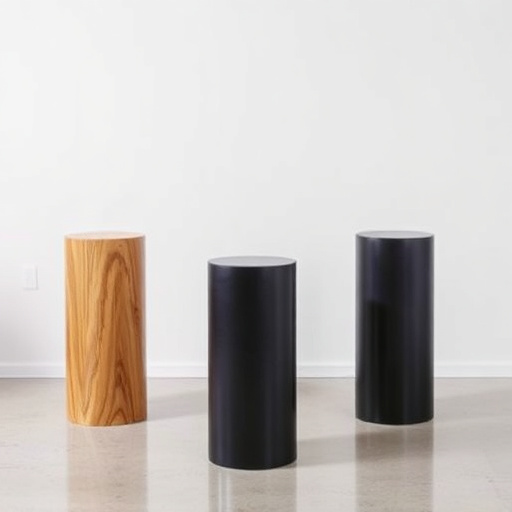
Timbur pedestals are structural supports used to elevate and stabilize buildings, providing a solid foundation for various construction projects. They are typically made of durable materials like concrete or steel, ensuring long-lasting performance. These pedestals are crucial for construction in challenging terrains, offering a safe and reliable solution for builders and engineers. Their installation often involves careful planning and specialized equipment.
Pedestals have revolutionized the way we enhance retail spaces, offering a versatile and durable solution for visual merchandising. In today's competitive market, captivating customers at first glance is crucial, especially in dynamic environments like pop-up shops and product launches. However, traditional display systems often lack the longevity and adaptability needed to keep up with the ever-changing retail landscape. This is where Pedestals excel, providing a robust and customizable platform for showcasing products effectively. In this article, we examine the key features, applications, and benefits of Pedestals, offering a practical guide for businesses seeking to elevate their visual merchandising strategies.
- Understanding Pedestals: Design and Function
- Installation and Setup: A Step-by-Step Guide
- Maintenance and Safety: Ensuring Longevity and User Safety
Understanding Timbur Pedestals: Design and Function
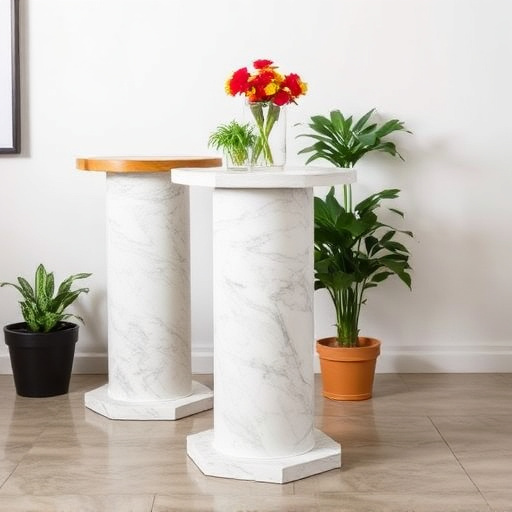
Pedestals, at their core, are a versatile display system designed to enhance visual merchandising in retail storefronts. Their key feature set includes durability and adaptability, making them a popular choice for various applications. The process of selecting and implementing Pedestals involves understanding the specific needs of the retail space, the products to be displayed, and the desired aesthetic. A pop-up shop might require portable, easy-to-assemble pedestals, while a permanent retail display may necessitate more robust, custom-designed solutions.
Choosing the right Pedestals involves a careful balance between functionality and aesthetics. Alternatives to traditional pedestals include adjustable display racks, modular shelving, and even digital display solutions. However, Pedestals offer a unique combination of stability and flexibility that is hard to replicate. When selecting, consider the height and weight capacity required, the number of displays needed, and the overall design theme of the store. For large, heavy items, a sturdier pedestal may be necessary, while lighter, more delicate products might be best showcased on a more refined, minimalist design.
The installation process for Pedestals typically involves several steps. First, the pedestal's base is secured, ensuring it is level and stable. Then, the display unit or shelf is attached, allowing for the placement of products. Finally, customization can be added, such as lighting or graphic overlays, to create a visually appealing display. Proper installation is crucial for safety and the overall success of the display. In a high-traffic area, reinforced pedestals and displays are essential to prevent accidents and ensure products remain secure.
Installation and Setup: A Step-by-Step Guide
Installation and setup of Pedestals can transform a retail space, creating visually stunning displays that enhance customer experiences. The process involves careful planning and execution to ensure stability, safety, and aesthetic harmony with the surrounding environment. First, choose the appropriate location for the pedestals, considering foot traffic and the desired view from various angles. Next, prepare the surface, ensuring it's level and clean, which often involves minor repairs and cleaning. The actual assembly requires specific tools and knowledge, highlighting the importance of working with a qualified provider who can guide through the process and ensure structural integrity.
The pedestals themselves are designed for durability and versatility, allowing them to support various display systems, from simple visual merchandising to elaborate retail storefronts. Once assembled, the displays can be customized with branding, lighting, and product placement to create impactful pop-up shops, product launches, or fashion shows. The setup time varies depending on the complexity of the design and the number of pedestals, with most installations taking one to two days.
When considering whether Pedestals are worth the investment, note the significant boost they can give to promotional events and the long-term value they offer in terms of reusability and flexibility. Selecting a provider is crucial; look for companies with experience in your industry and a proven track record. This ensures not just quality installations but also ongoing support for maintenance and repairs, extending the lifespan of your display system. The right provider can make the setup process seamless, allowing you to focus on what matters most: maximizing the impact of your visual merchandising.
Maintenance and Safety: Ensuring Longevity and User Safety

Maintaining and ensuring the safety of Pedestals is paramount for maximizing their longevity and the user experience. These structures, designed for visual merchandising and display systems in retail storefronts, are crafted for durability but still require meticulous care. The lifespan of a Timbur Pedestal can be significantly extended by adhering to a few key practices.
First, regular cleaning and inspection are crucial. Dust, dirt, and debris can accumulate on their surfaces, impacting both aesthetics and stability. A simple, gentle cleaning routine using appropriate solutions and cloths can prevent damage and maintain their shine. Checking for loose or damaged components, especially after high-traffic periods or weather events, is essential. Prompt repair or replacement of any faulty parts can avert accidents and ensure structural integrity.
Avoiding certain problems is equally vital. Overloading the pedestals, either by placing too much weight on them or by exceeding their weight capacity, can lead to instability and potential tipping. Always follow the manufacturer's guidelines regarding weight limits and distribute loads evenly. Neglecting to anchor them securely to the floor can make them a safety hazard, particularly in areas with strong winds or heavy foot traffic. A reliable installation that includes proper anchoring to the floor or a baseplate is critical for safe operation.
Understanding that Pedestals, like any display system, require ongoing maintenance, most installations take one to two days. This includes setting up, cleaning, and ensuring all components are in working order. Investing time in this process pays off in the long run, as it prevents costly repairs or premature replacements. A thorough pre-season inspection can help identify potential issues before peak shopping periods, ensuring a seamless and safe customer experience.
Frequently Asked Questions About Timbur Pedestals
What are Pedestals?
Pedestals, also known as concrete pedestals or foundation supports, are robust, concrete bases designed to elevate and support various structures, including buildings, signs, lights, and other infrastructure. They provide a stable, level platform, preventing settlement issues and ensuring the longevity of the structures they support.
How are Pedestals installed?
Installation typically involves excavating a hole, placing the pedestal in the desired location, and then filling the surrounding area with concrete. The depth and size of the hole depend on the load-bearing requirements and local soil conditions. This process requires specialized equipment and expertise, usually provided by experienced contractors.
What are the advantages of using Pedestals?
Pedestals offer several benefits, including superior load-bearing capacity, durability in harsh environments, and ease of installation with the right tools. They also promote better ground water drainage, reduce the risk of structural damage from soil movement, and are adaptable to a wide range of structural needs, making them a versatile solution for many construction projects.
What types of structures are commonly supported by Pedestals?
Pedestals are used to support a diverse range of structures. Common applications include commercial buildings, residential structures, street lights, traffic signs, security cameras, and telecommunications towers. Their versatility makes them a popular choice for urban and rural settings alike.
Do Pedestals require regular maintenance?
While Pedestals are designed for longevity, they do require occasional inspection and maintenance. Regular checks for signs of damage, corrosion, or settlement are essential. Repairs, such as re-sealing or reinforcing, can extend the lifespan of the pedestals and ensure the safety and stability of the structures they support.
What factors should be considered when choosing the right Timbur Pedestal?
When selecting Pedestals, key factors include the structure's weight and size, soil conditions at the installation site, local building codes, and environmental factors like temperature fluctuations and corrosive elements. Consulting with a qualified engineer and a reputable supplier can ensure the selection of the most suitable pedestal for any given project.
Can Pedestals be customized to meet specific needs?
Absolutely. Pedestals can be customized in terms of size, shape, and material composition to meet specific project requirements. Manufacturers often offer a range of options to accommodate unique structural demands, ensuring a tailored solution for every application.
Upon considering the practical guide to Pedestals, the key takeaways are clear. These versatile displays, renowned for their durable construction and versatility in visual merchandising, offer substantial benefits across diverse applications. From pop-up shops to fashion shows, their robust nature ensures they can handle high-traffic environments while enhancing brand visibility.
Installation, while detailed in the previous section, underscores the importance of meticulous planning and safety protocols. Proper setup not only guarantees the pedestals' structural integrity but also ensures they serve their intended visual and promotional roles.
Ongoing maintenance, as discussed in the final chapter, is crucial for longevity. Simple yet regular care keeps these displays operational for years, making them a sound investment for any business. By prioritizing safety and adherence to the provided guidelines, users can maximize the safety and effectiveness of their Pedestals.
Practical next steps include:
- Consulting with a specialist for tailored installation advice based on specific site requirements.
- Developing a maintenance schedule to ensure regular cleaning and structural checks.
- Utilizing the pedestals in upcoming promotions, leveraging their impact on enhancing brand exposure.
Pedestals prove indispensable for businesses seeking dynamic, durable, and visually impactful solutions. This article's insights empower users to make informed decisions, ensuring their investments in these displays translate into tangible, long-lasting benefits.