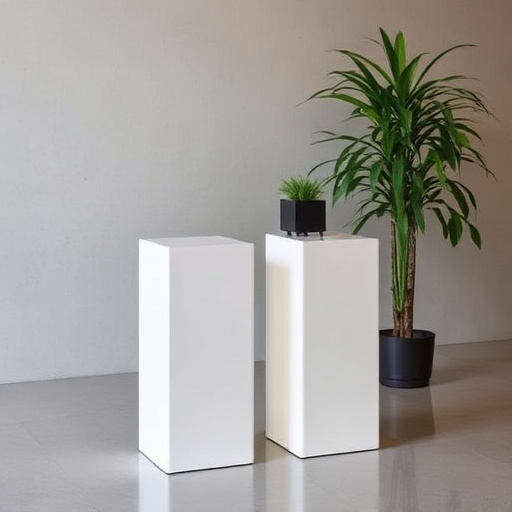
Timbur pedestals are sturdy metal bases designed to elevate and support various structures, from garden beds to outdoor furniture. They provide a simple, effective solution for raising objects off the ground, enhancing stability and protection against moisture. Most installations take one to two days and are typically performed by a qualified plumber or contractor.
Key Takeaways
- Timbur pedestals offer a durable and versatile solution for supporting heavy equipment, making them ideal for industrial and construction sites.
- Proper installation is crucial for safety and longevity; it's recommended to consult a professional for complex setups.
- Regular maintenance, including inspection and lubrication, can extend the lifespan of these pedestals by preventing wear and tear.
- The selection of the right pedestal size and type should consider the load capacity, environmental conditions, and accessibility for maintenance.
- Pedestals can be customized to fit specific needs, ensuring optimal performance in diverse applications.
- For challenging installations or unique requirements, consider partnering with a specialized supplier who can offer tailored solutions.
- Most pedestals take one to two days for installation, depending on the complexity, emphasizing the importance of planning and scheduling.
Pedestals have revolutionized the way we display and promote products in retail storefronts, pop-up shops, and product launches. As visual merchandising becomes increasingly crucial for brand identity and customer engagement, the need for durable, yet flexible display systems is paramount. However, the challenge lies in finding solutions that can adapt to the dynamic nature of retail while withstanding the test of time. This article explores how Pedestals, with their innovative design and robust construction, offer an advanced answer to this problem, transforming the way we think about retail display and visual storytelling.
- Understanding Pedestals: Design and Function
- Installation and Setup: A Step-by-Step Guide
- Maintenance and Longevity: Ensuring Optimal Performance
Understanding Timbur Pedestals: Design and Function
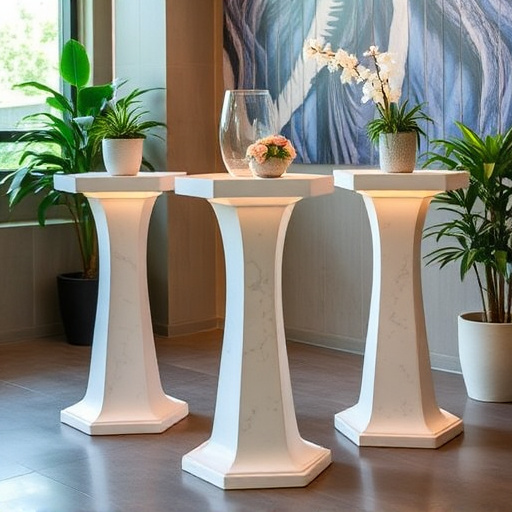
Pedestals, as a design and functional solution, are gaining traction across various industries, particularly in display systems and retail storefronts. Their distinctive features include durable construction, which allows them to withstand the rigors of visual merchandising, whether it's a pop-up shop or a fashion show. The key to their effectiveness lies in the seamless integration of aesthetics and functionality, ensuring products are not only displayed but also highlighted in the best possible light.
The setup process for Pedestals is relatively straightforward and efficient, with most installations taking one to two days, making them a popular choice for time-sensitive events and promotions. This speed, coupled with their robust design, means they can be relied upon for repeated use, which is crucial for retail businesses looking to maximize their investment. However, to avoid problems, it's essential to consider the specific needs of your installation. The pedestal's size and weight capacity should align with the displays you plan to put on top, ensuring a safe and stable setup.
While Pedestals offer significant advantages, they are not the only option in the market. Alternatives include custom-built displays and modular systems, each with its own merits. Custom solutions can provide unique branding opportunities but may come with longer lead times and higher costs. Modular systems, on the other hand, offer flexibility and scalability, ideal for businesses that need to adapt their displays frequently. Understanding these alternatives is crucial to making an informed decision, ensuring the chosen solution supports your visual merchandising strategy and avoids potential pitfalls, such as instability or unsuitable design for your intended use.
Installation and Setup: A Step-by-Step Guide

The installation and setup of Pedestals is a meticulous process that requires careful planning and execution. Each pedestal is designed for durability and visual impact, making them versatile for various display systems and retail storefronts. The first step is to assess the location and determine the optimal placement for each pedestal, ensuring they complement the overall visual merchandising strategy. Once the layout is finalized, the pedestals are unboxed and inspected for any damage.
The setup process typically begins by leveling the pedestals, a crucial step to maintain stability and prevent uneven displays. These pedestals often include adjustable features, allowing for customization to fit different product heights or promotional needs. Adjustable height settings can accommodate various product displays, from small trinkets to larger items. After leveling, the pedestals are positioned according to the planned layout, secured in place with the provided fixing mechanisms.
The duration of the installation process can vary, but most installations take one to two days, depending on the size of the project and the complexity of the display system. It's essential to avoid common pitfalls during setup, such as overloading the pedestals, which can compromise their structural integrity. Following the manufacturer's guidelines for weight capacity and load distribution ensures the longevity of the display. Regular maintenance, including periodic cleaning and inspections, is also vital to preserve the quality of Pedestals over time.
Maintenance and Longevity: Ensuring Optimal Performance

Maintaining Pedestals is crucial to ensure they continue to serve their purpose effectively and extend their lifespan. When choosing Pedestals, consider their design and construction quality as these factors directly impact longevity. Durable construction, such as that found in quality display systems, is essential to withstand regular use and exposure to different environments. Proper visual merchandising techniques, which integrate well with the pedestals, can also enhance their performance and prevent premature replacement.
Regular cleaning and inspection are vital components of Pedestals maintenance. Dust and dirt buildup can affect the stability and appearance of the pedestals over time. Implementing a consistent cleaning schedule, using recommended products, ensures the pedestals remain in optimal condition. Inspecting for any signs of wear, especially after heavy use or in high-traffic areas, is crucial. Addressing minor issues early can prevent them from escalating into more significant problems.
To avoid common issues, select Pedestals that align with your specific needs. If you require a solution for pop-up shops or retail promotions, ensure the pedestals are designed for flexibility and easy setup. Proper assembly and installation are also key; following the manufacturer's guidelines can prevent structural failures. Lastly, consider the overall aesthetic and how the pedestals integrate with your store layout to ensure they serve their visual merchandising purpose effectively. By combining thoughtful selection, diligent maintenance, and a proactive approach, you can maximize the performance and longevity of Pedestals in your health sciences program online or retail storefront.
Frequently Asked Questions About Timbur Pedestals
What are Pedestals?
Pedestals are specialized support structures designed to securely hold and elevate various objects, such as signs, lighting fixtures, or equipment, above the ground. They are known for their durability, versatility, and ease of installation, making them a popular choice for both commercial and residential applications.
How are Pedestals constructed?
Pedestals are typically constructed from robust materials like steel or cast iron, offering superior strength and corrosion resistance. They consist of a base plate, a vertical shaft, and a top mounting bracket. The base plate is bolted to the ground, providing a stable foundation. The vertical shaft is threaded, allowing for adjustments in height, while the top bracket secures the object being supported.
What types of objects can be mounted on Pedestals?
Pedestals can support a wide range of objects, including:
- Signs: Wayfinding signs, directional signs, and decorative signage.
- Lighting fixtures: Street lights, security lights, and decorative lampposts.
- Equipment: Street vendors, newsstands, and bike racks.
- Memorials and sculptures: Permanent installations of art and historical markers.
Where are Pedestals commonly used?
Pedestals are versatile and can be found in various settings:
- Commercial spaces: Malls, shopping centers, and business districts use Pedestals to display signs, promote products, and enhance curb appeal.
- Public spaces: Parks, plazas, and pedestrian areas rely on Pedestals for lighting, signage, and artistic installations.
- Residential neighborhoods: Street lights, mailbox posts, and decorative elements often utilize Pedestals in residential areas.
How do I choose the right Timbur Pedestal for my needs?
Selecting the right pedestal depends on several factors:
- Load capacity: Consider the weight of the object you plan to mount.
- Height requirement: Determine the desired height above the ground.
- Ground conditions: Assess the type of soil and its bearing capacity.
- Environmental factors: Consider exposure to weather and corrosive elements.
Who can install Pedestals?
Pedestals are designed for DIY installation, but professional contractors or plumbers can also handle the job. Proper installation is crucial for safety and stability, so consult with a qualified individual if you're unsure.
What maintenance do Pedestals require?
Regular inspection and maintenance ensure optimal performance and longevity. This includes:
- Tightening of bolts: Periodically check and tighten any loose connections.
- Painting or coating: Protect the pedestal from rust and corrosion with regular painting or coating.
- Clearing debris: Keep the pedestal and its surroundings free from debris to prevent damage.
Pedestals offer a versatile and durable solution for various applications, from retail storefronts to pop-up shops and product launches. By understanding their design, installation, and maintenance needs, users can ensure optimal performance and longevity. The step-by-step installation guide provides a practical framework, emphasizing the importance of proper preparation and attention to detail. Regular maintenance, as detailed in this article, is crucial to preserve the pedestals' structural integrity and aesthetic appeal. With these insights, professionals in visual merchandising and event management can make informed decisions, leveraging Pedestals to create impactful and long-lasting displays.