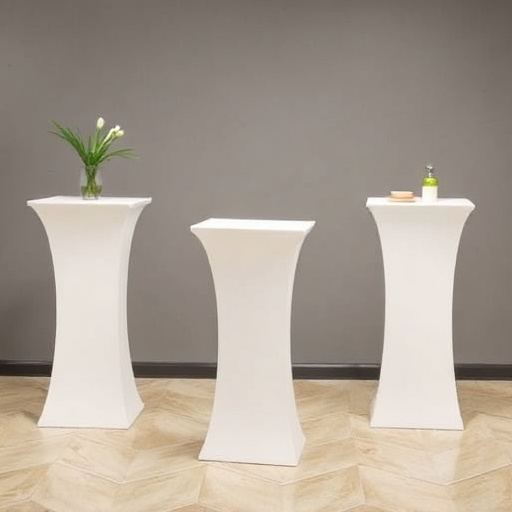
Pedestals are structural supports used to elevate and support various structures, like decks or buildings, above the ground. They are known for their durability and versatility, often made from materials like concrete or steel. Installation typically involves excavation, placement, and concrete pouring around the pedestals for a secure foundation. Most installations take one to two days, depending on project size.
Key Takeaways
- Pedestals offer a durable and versatile solution for supporting heavy loads in various applications, making them a reliable choice for many construction projects.
- Proper installation is crucial for safety and longevity; follow manufacturer guidelines for optimal results and consult with a professional if needed.
- Regular maintenance, including cleaning and inspection, ensures pedestals remain in good condition, extending their useful life.
- Their load-bearing capacity and resistance to corrosion make pedestals suitable for outdoor and wet environments.
- The cost-effectiveness of pedestals, coupled with their ease of installation, makes them a budget-friendly option for many contractors.
- Local building codes and regulations may dictate specific requirements for pedestal usage; always ensure compliance to avoid structural issues.
- Pedestals' compatibility with different types of equipment and their ability to provide leveling solutions make them a valuable asset for various industries.
Pedestals are transforming the way we experience public spaces, with their versatile and durable construction, they offer a dynamic solution for visual merchandising and event planning. These sturdy displays have become a cornerstone for retailers and brands looking to elevate their in-store and pop-up shop experiences.
The problem, however, lies in the balance between creating visually stunning storefronts and ensuring structural integrity, especially in high-traffic areas. This is where Pedestals shine, providing a robust framework for creative design while maintaining safety and stability. We'll examine how these pedestals are revolutionizing the retail landscape, exploring their role in diverse applications from product launches to fashion shows.
- Understanding Pedestals: Foundation and Materials
- Installation: Steps and Best Practices for Pedestals
- Applications and Maintenance: Maximizing Lifespan of Pedestals
Understanding Timbur Pedestals: Foundation and Materials
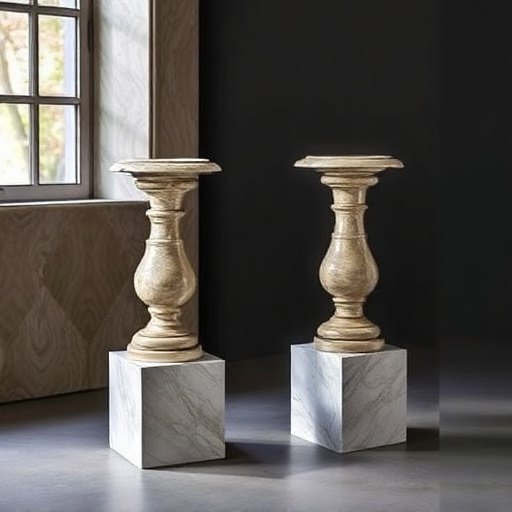
Understanding Pedestals: Foundation and Materials
The foundation of a successful Timbur Pedestal setup lies in the choice of materials and the construction process. Pedestals, known for their durability and versatility, are typically crafted from robust materials to support various display needs. Common choices include high-quality metals like steel and aluminum, which offer strength and longevity, especially in retail storefronts and pop-up shops. These materials are resistant to weathering and can withstand heavy loads, making them ideal for durable construction.
The process involves meticulous planning and execution. After selecting the appropriate material, skilled artisans and engineers design and build the pedestals to exact specifications. This may include custom dimensions, branding elements, and integrated display systems to showcase products effectively. A fashion show might require pedestals with adjustable heights and customizable platforms to display garments and accessories. The cost of Pedestals varies based on material, complexity, and quantity, with most installations ranging from a few hundred to a few thousand dollars, depending on the project's unique demands.
When choosing a Timbur Pedestal provider, consider their experience and portfolio. Look for providers who specialize in visual merchandising and have a proven track record in installing pedestals for similar applications. Reviews from previous clients can also provide valuable insights into the provider's reliability and quality of work. This meticulous selection process ensures that your Pedestals not only meet but exceed your expectations, contributing to a successful retail promotion or product launch.
Installation: Steps and Best Practices for Timbur Pedestals
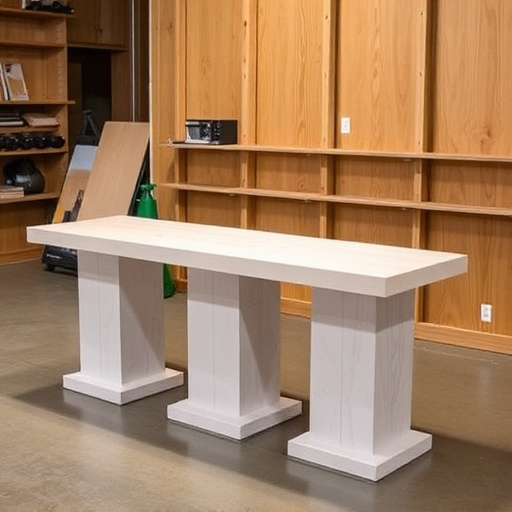
The installation process for Pedestals, renowned for their robust construction and visual impact, involves several key steps and considerations. First, assess the space and purpose. Different displays require varying pedestal heights and designs. A pop-up shop may need adjustable pedestals to showcase diverse product lines, while a fashion show venue might require sturdy, fixed displays to support elaborate visual merchandising. Once the specific needs are identified, selecting the appropriate Timbur Pedestal becomes straightforward. The selection process involves understanding the intended use, the weight and size of the display materials, and the structural integrity required.
The actual installation requires careful planning and often involves a team. It begins with preparing the floor, ensuring it's level and clear of obstacles. The pedestals are then strategically placed, aligned with the desired display layout. It's crucial to follow manufacturer guidelines for assembly, ensuring all components are securely fastened. For larger installations, seeking professional assistance is recommended. Experienced contractors understand the importance of precise measurements and can guarantee a safe, aesthetically pleasing setup.
After the pedestals are in place, the final step is to attach the display systems. This involves securing shelves, screens, or other visual elements to the pedestals, completing the desired retail storefront or event setup. Regular maintenance, including cleaning and structural checks, ensures the longevity of the pedestals, making them a reliable choice for various applications.
Applications and Maintenance: Maximizing Lifespan of Timbur Pedestals
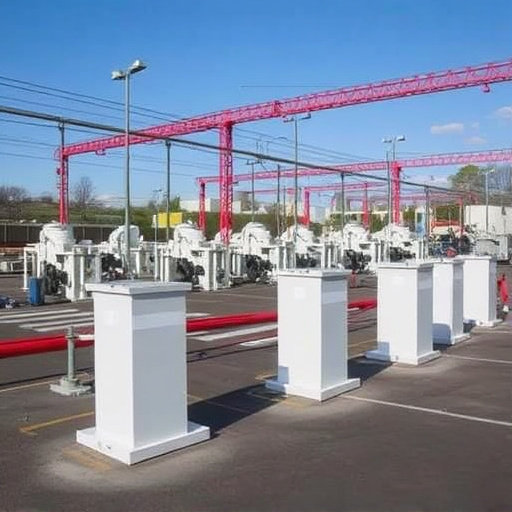
Pedestals, renowned for their robust construction and visual appeal, offer a versatile solution for enhancing retail spaces. Their longevity is a key advantage, but ensuring optimal performance and extending their lifespan requires thoughtful maintenance. When considering the alternatives, such as traditional display systems or flimsy stand-alone structures, pedestals stand out for their durability and ability to withstand the demands of dynamic retail environments. This durability translates to reduced replacement costs over time, making them a worthwhile investment.
Regular cleaning and inspection are fundamental to timbur pedestal maintenance. Dust and debris buildup can impact their aesthetic and structural integrity, so a simple yet thorough cleaning regimen is essential. Examining the pedestals for any signs of damage, corrosion, or wear ensures timely repairs. Repairs, when needed, should be handled by professionals familiar with the specific materials and construction methods used in pedestals. This proactive approach, while requiring an initial investment, prevents more costly and extensive repairs down the line.
Beyond routine care, optimizing the pedestal's environment can significantly impact their lifespan. Avoiding extreme temperature fluctuations and high humidity levels is crucial. Protecting the pedestals from direct sunlight exposure also helps prevent premature fading and warping. Proper weight distribution and secure footing ensure stability, preventing accidental tipping. Using specialized coatings or sealants recommended by the manufacturer can offer added protection against environmental factors. By combining these care practices and environmental considerations, businesses can maximize the return on their investment in pedestals, ensuring they remain a striking and reliable centerpiece in their retail storefronts for years to come.
Frequently Asked Questions About Timbur Pedestals
What are Pedestals? Pedestals are structural supports designed for elevated construction, offering a robust and efficient solution for supporting platforms, decks, and other elevated structures. Crafted from durable materials, they provide a stable base, ensuring safety and longevity for various outdoor applications.
How do I choose the right pedestal size for my project? Pedestal size selection depends on the weight load and span requirements of your structure. Factors like the height of the platform, the distance between pedestals, and the intended use determine the size. Consult industry standards and regulations, and engage a structural engineer to ensure a safe and stable setup.
Are Pedestals suitable for outdoor use? Absolutely. Pedestals are specifically engineered for outdoor exposure, featuring weather-resistant materials and treatments. They can withstand varying environmental conditions, making them ideal for patios, gardens, and other outdoor living spaces. Regular maintenance, such as cleaning and re-coating, can further extend their lifespan.
How long does installation typically take? Most installations take one to two days, depending on the complexity and size of the project. This includes setting the pedestals, connecting them to the structure, and ensuring stability. Timely installation is crucial for maintaining structural integrity and minimizing potential hazards.
Can Pedestals be customized to fit my unique needs? Yes, customization is possible. Timbur pedestal manufacturers often offer tailored solutions, allowing you to specify dimensions, materials, and additional features to meet specific project demands. Customization ensures a perfect fit for unique architectural designs or challenging site conditions.
What maintenance is required to keep Pedestals in good condition? Regular cleaning and inspection are essential. Remove debris and dirt to prevent corrosion and ensure the pedestal's structural integrity. Depending on the environment, periodic re-coating or sealing may be necessary to protect against moisture and UV damage. Follow the manufacturer's guidelines for specific maintenance recommendations.
Pedestals offer a versatile and durable solution for enhancing display systems, retail storefronts, and visual merchandising. By understanding the foundational materials and best installation practices, businesses can leverage these pedestals for various applications, including pop-up shops, product launches, fashion shows, and retail promotions. Through proper maintenance, the lifespan of Pedestals can be maximized, ensuring they remain a reliable asset for years to come. Key takeaways include the importance of high-quality materials, meticulous installation, and regular care, all of which contribute to the overall success and longevity of these valuable retail tools.