Key Takeaways
- Timbur pedestals offer a durable and versatile solution for supporting heavy equipment, making them ideal for industrial and construction sites.
- Proper installation is crucial for safety and longevity; a qualified professional can ensure the pedestals are level and secure.
- These pedestals can significantly extend the lifespan of machinery by providing a stable, shock-absorbing base, reducing vibration and wear.
- Different pedestal designs cater to various load capacities and surface types, allowing for customization to specific project needs.
- Regular maintenance, including periodic inspection and lubrication, is essential to prevent corrosion and ensure the pedestals remain effective over time.
- The use of pedestals can contribute to site safety by eliminating the need for heavy, temporary support structures in many cases.
- Many manufacturers offer customizable options, allowing for tailored solutions to meet unique application and environmental challenges.
Pedestals are structural supports designed to elevate and stabilize structures, especially in challenging terrain. They are versatile, lightweight, and easy to install, making them popular for both residential and commercial projects. These pedestals offer a quick and efficient solution for building on uneven ground, ensuring a solid foundation and a level surface.
Pedestals are transforming the way we experience public spaces, retail environments, and even special events. As cities become more vibrant and pedestrian-focused, the need for durable, visually appealing, and versatile structures to support displays and installations has grown. The problem lies in finding solutions that balance aesthetics and functionality, especially in high-traffic areas. This article explores how Pedestals, with their innovative design and robust construction, offer a compelling answer. By examining their key features, applications, and the positive impact they have on various sectors, we'll uncover why these pedestals are becoming the go-to choice for modern visual merchandising and public art installations in pedestals.
- Understanding Timbur Pedestal Basics: Materials and Design
- Installation and Safety Protocols for Pedestals
- Maintenance and Longevity: Caring for Your Pedestals
Understanding Timbur Pedestal Basics: Materials and Design
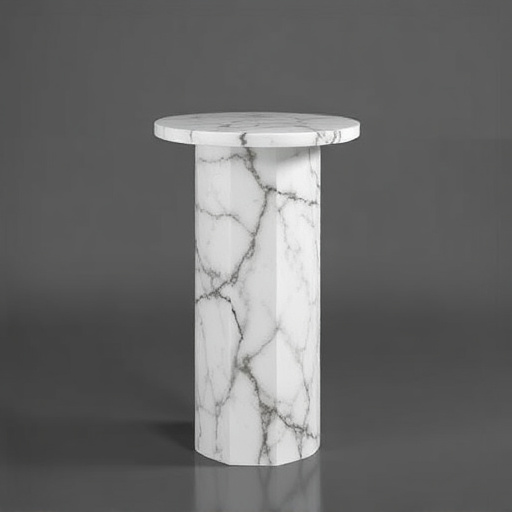
Pedestals are a crucial element in modern visual merchandising, offering versatile display solutions for various retail environments. When considering their design and material selection, several factors come into play. The process involves a careful balance between aesthetics and functionality, ensuring the pedestals enhance the overall storefront experience while withstanding the demands of daily use.
The first step in choosing the right Pedestals is understanding their intended purpose. Will they support displays in a retail store, or are they for a pop-up shop requiring quick setup and takedown? The design should align with the specific needs of the venue, whether it's a temporary exhibition or a permanent display. Lightweight, collapsible pedestals might be ideal for pop-up shops, while sturdier, customizable models could suit permanent retail storefronts. Materials play a significant role too; aluminum and steel are popular choices for their durability, while wood offers a warmer, natural aesthetic. The selection should consider the overall design language of the store and the products being displayed.
The pedestals process requires a thoughtful approach to avoid common pitfalls. One issue to steer clear of is inadequate stability, which can be achieved by selecting the appropriate height and base design. Overlooking the load-bearing capacity of the chosen material is another mistake; heavy displays might require reinforced pedestals to prevent damage or instability. Ensuring accessibility for maintenance and cleaning is essential, which can be facilitated by considering the overall design layout and choosing models that allow for easy movement and manipulation. Adjustable pedestals can accommodate changing display needs while maintaining a sleek, organized appearance.
Installation and Safety Protocols for Timbur Pedestals
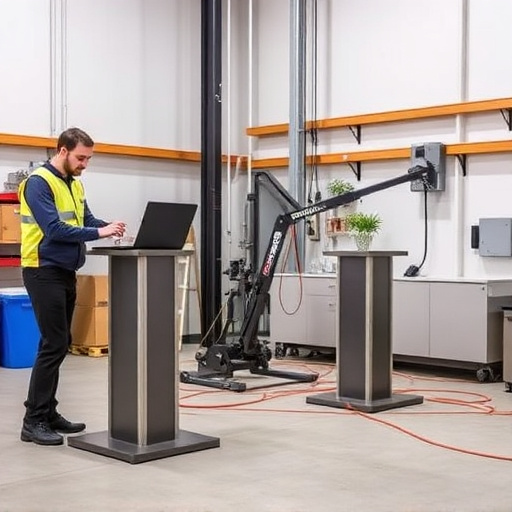
The installation and safety protocols for Pedestals are critical to ensure their structural integrity and longevity, especially in high-traffic retail environments. While the installation process may seem straightforward, several common problems can arise if not addressed properly. Improper leveling can lead to wobbly displays, which not only look unprofessional but can also pose a safety risk to customers and staff. Therefore, meticulous planning and attention to detail are paramount.
Start by preparing the base area thoroughly. This includes cleaning the surface, ensuring it's free from debris and level, and addressing any subtle imperfections that could impact stability. Next, carefully unpackage the pedestals, inspecting them for any signs of damage. Pedestals, known for their durable construction, are designed to withstand significant weight, but it's crucial to respect the manufacturer's specifications and load limits. Proper assembly involves securing each component tightly, using the appropriate tools and hardware provided.
Once assembled, testing the stability of the pedestals is essential. A simple test involves gently shaking the display; it should remain firmly in place. If adjustments are needed, make them carefully, ensuring the pedestals are level and secure. Safety is paramount, so always prioritize well-anchored displays. Given the versatility of Pedestals, suitable for pop-up shops, product launches, and fashion shows, understanding their capabilities and limitations is key to their successful integration into any visual merchandising strategy.
When considering whether Pedestals are worth the investment, weigh the benefits against the alternatives. While there are less expensive options available, these often sacrifice durability and quality. The extra cost of Pedestals is justified by their longevity and reliability, especially in demanding retail storefronts. However, for smaller-scale or temporary displays, alternatives might be more suitable. The decision should be based on the specific needs of each installation, balancing budget, durability, and expected use.
Maintenance and Longevity: Caring for Your Timbur Pedestals
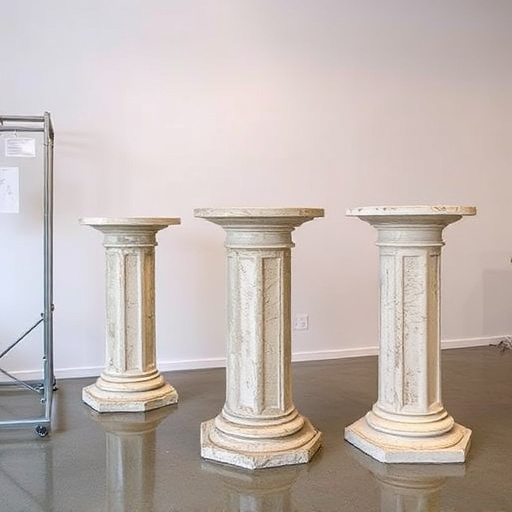
Maintaining Pedestals is crucial to ensure their longevity and optimal visual impact. Regular cleaning is essential, especially in retail environments where they often display products. Use a soft cloth and mild detergent to wipe down the pedestals, taking care around any electrical components. Avoid harsh chemicals which can damage the finish and structure. The durability of Pedestals, known for its robust construction, means they can withstand heavy use, but proper care prevents unnecessary wear and tear.
What problems should you avoid with Pedestals? One common issue is overloading. These pedestals are designed with specific weight capacities, exceeding which can lead to structural damage. Always check the manufacturer's specifications to understand the safe loading limits. Protecting against moisture is vital. While Pedestals are designed to be durable, prolonged exposure to water or humidity can cause rusting, especially in outdoor installations. Consider using waterproof coatings or covers during inclement weather.
The pedestals process involves a few key steps. Initial setup requires careful placement, ensuring a level surface and sturdy positioning. Regular inspections are recommended to identify any signs of wear or damage early on. Timely repairs, often simple and straightforward, can extend the life of the pedestals significantly. Replacing worn-out screws or securing loose parts promptly can prevent more complex issues down the line. What does the pedestals process involve? It's not just about initial setup; ongoing maintenance and proactive care are the cornerstones of ensuring these display systems remain effective for years to come.
Frequently Asked Questions About Timbur Pedestals
What are Pedestals?
Pedestals are structural supports used to elevate and stabilize various structures, such as decks, patios, or outdoor furniture, off the ground. They are designed to provide a solid, level base, ensuring the integrity and longevity of the supported structure. Made from durable materials like timber or concrete, they are an essential component in outdoor construction and landscaping projects.
How do I choose the right Timbur pedestal size for my project?
The ideal pedestal size depends on several factors, including the weight of the structure you're supporting, the type of soil, and the local building codes. Consult with a qualified contractor or structural engineer to determine the appropriate size. They can perform calculations to ensure the pedestals bear the expected load and provide a safe and stable foundation.
What materials are Pedestals made from?
Pedestals are typically crafted from either treated timber or concrete. Treated timber offers a cost-effective option known for its strength and resistance to rot and insect damage. Concrete pedestals, while more expensive, are incredibly durable and suitable for heavy-load applications.
Can Pedestals be installed in any type of soil?
While Pedestals are versatile, the soil conditions play a crucial role in their installation. For best results, they should be set in soil that provides good drainage. Avoid areas prone to waterlogging or unstable soil types like quicksand. Compaction of the soil around the pedestal is often necessary for a secure fit.
How long does it take to install Pedestals?
Most standard Timbur pedestal installations take one to two days, depending on the project's scope and complexity. This includes preparation, excavation, pedestal placement, and concrete pouring (if applicable).
Do I need a permit for installing Pedestals?
Building regulations vary by location, so always check with your local authorities to determine if a permit is required for installing Pedestals. In many cases, for residential projects, a permit might not be necessary for simple pedestal installations. However, for commercial or structural applications, a permit is typically mandatory.
Understanding the core aspects of Pedestals, from material choice and design to installation, safety, and maintenance, offers a solid foundation for their effective use in various settings. The key insights gained from this article highlight the importance of durable construction and thoughtful visual merchandising for successful applications in retail storefronts, pop-up shops, and product launches. By following established safety protocols and implementing regular maintenance practices, these pedestals can enhance any space, ensuring their longevity and versatility.
Practical next steps include selecting suitable materials for specific environments, consulting with experts for custom designs, and prioritizing safety measures during installation. Regular cleaning, inspection, and condition checks will further extend the lifespan of Pedestals, making them a reliable choice for businesses seeking impactful and temporary or permanent displays.