Key Takeaways
- Timbur pedestals offer a versatile solution for raising structures off the ground, improving access and drainage.
- Their lightweight design facilitates installation, making them suitable for both residential and commercial projects.
- Choosing the right pedestal height is crucial for ensuring proper drainage and avoiding future structural issues.
- Local building codes and load requirements should always be considered when selecting and installing pedestals.
- Regular maintenance, including inspection and cleaning, can extend the lifespan of pedestals and prevent premature failure.
- For complex projects, consulting with a professional engineer can ensure safe and effective pedestal placement.
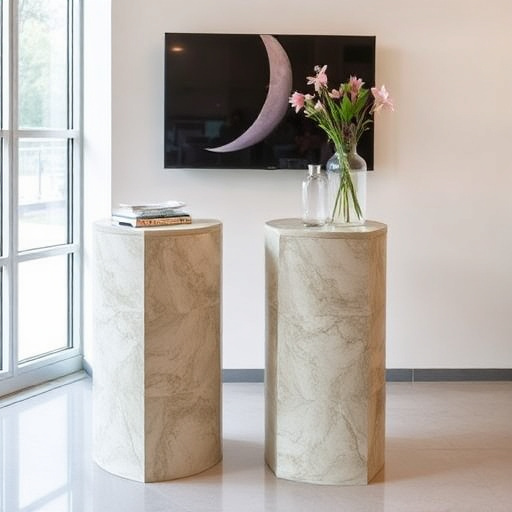
Pedestals are sturdy, customizable supports used to elevate and secure various structures, from garden beds to lighting fixtures. Crafted from durable materials, they offer a simple, effective solution for off-the-ground installations, ensuring stability and a sleek, elevated look. Plumbers and contractors often employ them for quick, long-lasting setups.
Pedestals have revolutionized the way we approach visual merchandising and display systems, particularly in retail storefronts. As the demand for dynamic and impactful product presentations grows, traditional displays struggle to keep up. The problem lies in the balance between aesthetics, durability, and ease of setup-all critical factors for successful retail promotions, pop-up shops, and fashion shows. Pedestals offer a compelling solution, combining robust construction with versatile design to enhance any space, ensuring installations are both visually stunning and long-lasting. This article examines the key features, applications, and benefits that make Pedestals an indispensable tool for modern retail and event management.
- Understanding Pedestals: Design and Applications
- Installation and Setup: A Step-by-Step Guide
- Maintenance and Longevity: Ensuring Pedestals' Lifespan
Understanding Timbur Pedestals: Design and Applications
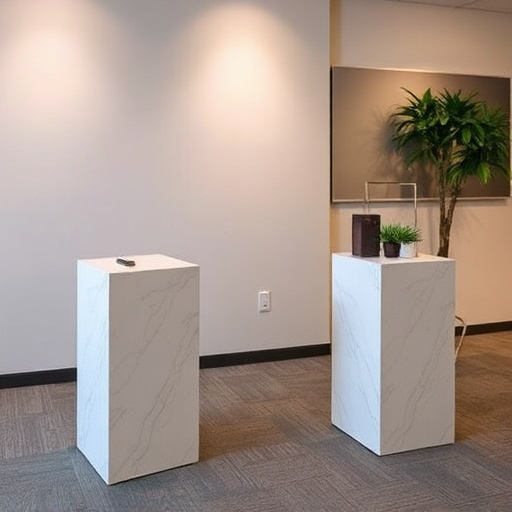
Pedestals, at their core, are a versatile display system designed to transform retail storefronts and event spaces. They encompass a range of customizable components, from durable construction elements to advanced visual merchandising tools. These pedestals are not just physical structures; they are a means to enhance visual impact, facilitate product presentation, and create engaging experiences for customers.
Understanding Pedestals involves recognizing their adaptability across various applications. From pop-up shops and product launches to fashion shows and retail promotions, these pedestals offer a dynamic solution. Their modular design allows for quick setup and teardown, making them ideal for time-sensitive events. A fashion brand could utilize Pedestals to showcase a new collection, arranging them to create a visually captivating display that draws in passersby.
While Pedestals offer numerous advantages, it's crucial to navigate their implementation with care. One of the key challenges is ensuring stability, especially when displaying heavy or bulky items. Improper setup or unsuitable pedestals can lead to accidents or damage to merchandise. Alternatives exist, such as fixed display racks or custom-built solutions, but Pedestals stand out for their balance between flexibility and sturdiness. To avoid problems, experts recommend following manufacturer guidelines and considering the weight and nature of the products being displayed. This includes choosing the right pedestal height and base type, ensuring a safe and secure presentation.
Installation and Setup: A Step-by-Step Guide
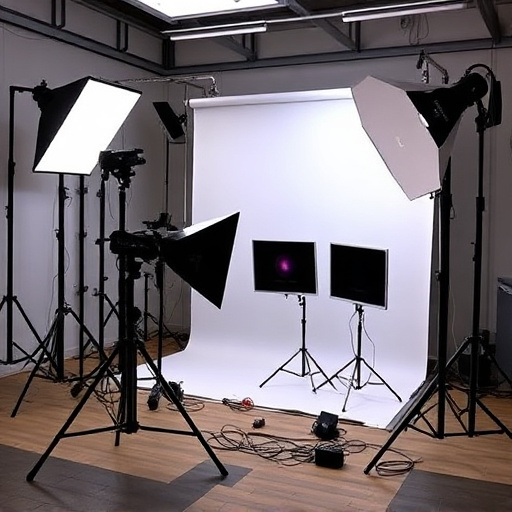
The installation and setup of Pedestals is a meticulous process designed to enhance visual merchandising and retail storefront appeal. It involves several key steps, each crucial for achieving a sturdy and aesthetically pleasing display system. The process begins with meticulous planning, ensuring the pedestals are tailored to the specific needs of the retail space. This includes measuring the area, determining the weight capacity required, and selecting the appropriate pedestal height and design. Once the planning phase is complete, the actual assembly can commence.
The assembly process typically requires a team of skilled professionals. It starts with preparing the pedestal base, ensuring it's level and stable. This might involve mixing and applying specialized adhesive or using advanced fixation methods, depending on the pedestal's design and the surface it will be attached to. Next, the main structure is erected, incorporating cross-bracing for added durability. The process is meticulous, requiring precision to ensure each component aligns perfectly. Once the main frame is secure, the platform or display surface is carefully attached, completing the basic structure.
Cost considerations are an essential aspect of the pedestals process. While the initial investment may seem high, the durability and versatility of these display systems make them a cost-effective solution in the long term. The price varies based on factors like size, material, and customization options. Alternatives exist in the form of traditional display racks and stands, but Pedestals offer unique benefits like enhanced load-bearing capacity and customizable visual appeal, making them a popular choice for pop-up shops, product launches, and fashion shows where impact and visual impact are paramount. A standard 4-pedestal setup can take one to two days to complete, but the outcome is a robust and visually stunning display solution.
Maintenance and Longevity: Ensuring Timbur Pedestals' Lifespan

Maintaining and extending the lifespan of Pedestals is crucial for maximizing their investment value. The process involves regular cleaning and inspection to identify any signs of wear and tear. Checking the joints and connections for loose parts, especially after extreme weather conditions, is essential. Repairs should be done promptly to prevent further damage. A qualified technician can replace worn-out components, ensuring the pedestals remain sturdy and secure.
Pedestals are designed for durability, making them a worthwhile investment for businesses that want a long-term solution for their visual merchandising needs. However, to qualify for the longevity benefits, proper care and maintenance are non-negotiable. Regular cleaning includes removing dust and debris from all surfaces, both visible and hidden, to prevent grime buildup that can weaken the structure. Sealing and coating the surfaces can protect against environmental factors, prolonging the pedestals' life, especially in outdoor settings.
The cost of maintenance and repairs for Pedestals is relatively modest compared to the initial investment, making it a cost-effective strategy. For businesses considering Pedestals, prioritizing regular upkeep is key. This proactive approach not only extends the equipment's life but also ensures it remains safe and compliant with industry standards. By following these practices, businesses can maximize their return on investment and enjoy the benefits of high-quality, long-lasting display systems.
Frequently Asked Questions About Timbur Pedestals
What are Pedestals?
Pedestals are structural support systems, typically made of durable, high-strength materials like steel or aluminum, designed to elevate and stabilize various structures, such as decks, fences, or signs. They offer a versatile, efficient solution for off-the-ground installations, providing both support and aesthetic appeal.
How do I choose the right Timbur Pedestal for my project?
Consider factors like load capacity, height requirement, ground conditions, and the weight and nature of the structure you plan to attach. Consult manufacturer specifications and, if needed, consult with a professional to ensure the chosen pedestal is suitable for your specific needs.
What types of surfaces can Pedestals be installed on?
Pedestals can be installed on various surfaces, including concrete, asphalt, and wooden planks. The specific installation process may vary depending on the surface type. Some pedestals come with adjustable feet or drill-in anchors to accommodate uneven surfaces.
Do I need a permit to install Pedestals?
Permit requirements vary by location. Check with your local building department or government authority to determine if a permit is needed for your installation project.
How do I ensure the safety of structures attached to Pedestals?
Regular inspection and maintenance are key to ensuring safety. Check for any signs of wear, corrosion, or damage. Use appropriate fasteners and follow manufacturer instructions for loading and installation guidelines.
Can Pedestals be painted or treated for weather resistance?
Many Pedestals are designed for outdoor use and come with protective coatings or treatments to withstand the elements. You can further enhance weather resistance by applying a suitable outdoor paint or sealant, ensuring it is compatible with the pedestal material.
Pedestals stand out as a versatile and durable solution for display and visual merchandising, enhancing retail storefronts and pop-up shops. The article has outlined their key features, from the robust construction to their adaptability in various settings. The step-by-step installation guide ensures accessibility for businesses, while the focus on maintenance highlights the importance of regular care for longevity. By integrating Pedestals into their strategies, retailers can leverage their versatility for product launches, fashion shows, and promotions, creating dynamic and captivating experiences for customers. This practical knowledge empowers businesses to make informed decisions, maximizing the potential of these pedestals in their visual merchandising efforts.