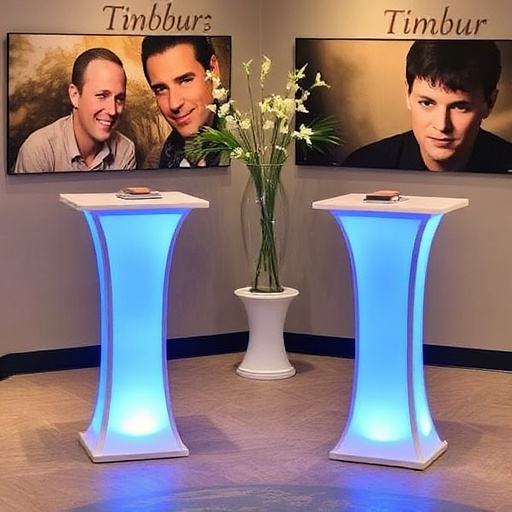
Key Takeaways
- Timbur pedestals offer a durable and versatile solution for supporting heavy loads, suitable for various construction projects.
- Proper installation is crucial for the longevity of pedestals, ensuring stability and preventing sinkage.
- These pedestals can significantly reduce construction time compared to traditional foundation methods, especially in challenging terrains.
- Their adaptability to different soil conditions makes pedestals a preferred choice for off-site construction and remote locations.
- Regular maintenance and inspection are essential to identify potential issues and extend the lifespan of the pedestals.
- Cost-effective for large-scale projects, pedestals provide a sustainable alternative to traditional foundations.
- Local regulations and building codes should be carefully considered before implementing timbur pedestal systems.
Pedestals are structural supports designed to elevate and support various structures, from decks to buildings. They are known for their strength, stability, and versatility, making them a popular choice among builders and contractors. Installation typically involves careful planning, excavation, and securing the pedestals in place, often with concrete for a solid foundation.
Pedestals are revolutionizing the way we experience visual merchandising and retail displays. In today's fast-paced and highly competitive retail landscape, capturing customer attention is crucial. However, traditional display systems often fall short, leading to a need for innovative solutions.
The problem lies in the balance between creating visually appealing storefronts and ensuring durable, long-lasting constructions. Pedestals offer a seamless solution by combining both aspects. They provide a robust yet versatile platform for showcasing products in pop-up shops, product launches, fashion shows, and various retail promotions. By understanding these key features, we can achieve the full potential of Pedestals in transforming retail spaces.
- Understanding Pedestals: Design and Purpose
- Installation and Placement: A Step-by-Step Guide
- Maintenance and Longevity: Ensuring Structural Integrity
Understanding Timbur Pedestals: Design and Purpose
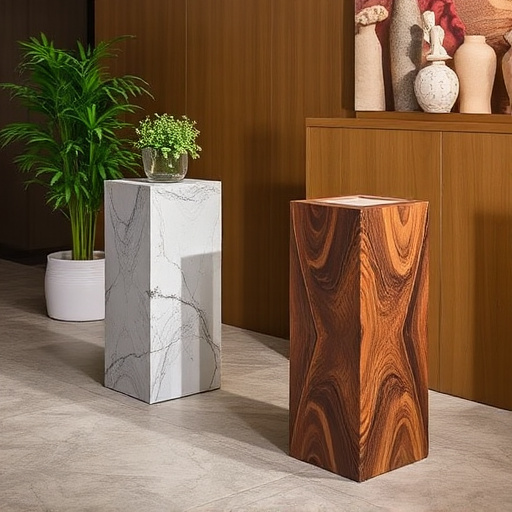
Pedestals are a versatile display system designed to enhance visual merchandising in retail storefronts. Understanding the key features and purpose of these pedestals is essential for businesses looking to maximize the impact of their in-store displays. The process involves selecting the appropriate pedestal for the desired application, whether it's for a pop-up shop, product launch, or fashion show. Each pedestal is crafted from durable materials, ensuring longevity and the ability to withstand high foot traffic.
The design of Pedestals is meticulous, focusing on both functionality and aesthetics. They are engineered to support various types of displays, from simple product placements to intricate visual displays. The setup process is relatively straightforward, allowing retailers to quickly transform their spaces. Depending on the complexity of the display, assembly can take anywhere from 30 minutes to a couple of hours. Once installed, these pedestals offer a dynamic platform to showcase products, engage customers, and drive sales.
A fashion retailer might use Pedestals to create a runway-inspired experience for a limited-edition collection launch. The pedestals can be arranged to form a catwalk, featuring models displaying the latest garments. This strategic use of visual merchandising not only captivates customers but also emphasizes the exclusivity of the collection. Understanding what Pedestals include-from customizable display options to robust construction-is crucial for businesses aiming to make the most of their in-store marketing efforts.
Installation and Placement: A Step-by-Step Guide
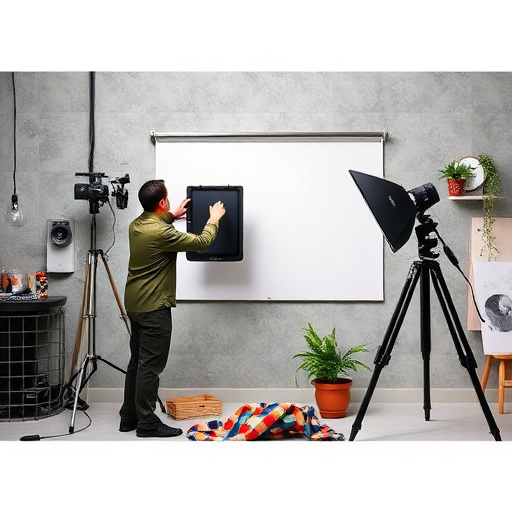
Installing Pedestals is a meticulous process that requires careful planning and execution. The timeline for installation varies based on the complexity of the project, but most installations can be completed within one to two days. This swift turnaround makes Pedestals a valuable solution for time-sensitive events like pop-up shops, product launches, and fashion shows. The first step is to assess the site and ensure proper placement. Consider factors such as foot traffic, lighting, and nearby displays to maximize the pedestals' impact. Once the location is confirmed, the pedestals themselves must be carefully unboxed and inspected for any damage.
The assembly process involves fitting the pedestals' components together, ensuring each piece aligns perfectly. This step requires a keen eye for detail, as misalignment can affect stability. Once assembled, the pedestals should be secured in place using the recommended anchoring system. This is crucial for safety, especially in high-traffic areas. Avoiding common pitfalls like improper placement and inadequate anchoring is paramount. A poorly installed pedestal can be a trip hazard and may not effectively display products.
After installation, testing is essential. Ensure the pedestals are level, and the displays are secure. This final step guarantees a professional and safe setup. When asked if Pedestals are worth the investment, consider the ROI they offer. Their versatility and quick installation make them a cost-effective solution for businesses looking to enhance their visual merchandising without breaking the bank. Remember, proper installation is key to leveraging the full potential of Pedestals.
Maintenance and Longevity: Ensuring Structural Integrity
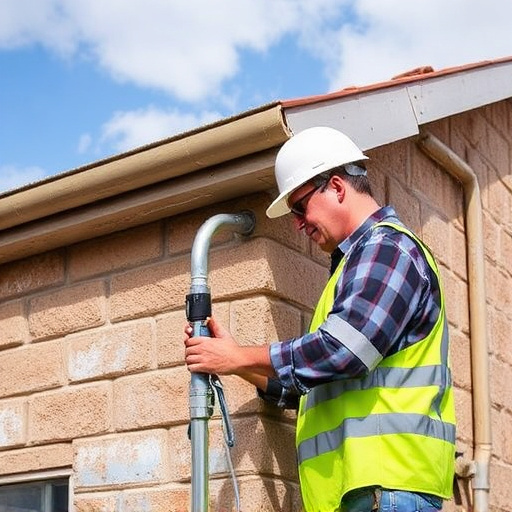
Maintaining the structural integrity of Pedestals is paramount to ensuring their longevity in diverse retail environments. The process involves regular inspection for signs of wear, corrosion, or loose components, addressing these issues promptly to prevent escalation. Frequent cleaning and application of protective coatings, especially in high-moisture areas, can significantly extend the life of the pedestals. Proper installation is equally crucial; adhering to the manufacturer's guidelines and engaging a qualified professional ensures a solid foundation that withstands heavy loads and frequent movement.
Choosing the right Pedestals for your application is a strategic decision. Consider factors like load capacity, material durability, and aesthetic compatibility with your storefront. The selection process involves understanding your specific needs-are you setting up a temporary pop-up shop or a permanent display? Knowing your requirements allows for the choice of pedestals that offer the right balance between strength and flexibility. Once installed, regular maintenance, including tightening of screws and replacement of worn parts, is essential to keep the system functioning optimally.
The pedestals process involves a series of steps designed to optimize structural integrity and visual appeal. It begins with site preparation, ensuring a level and stable base for the pedestals. Then, the pedestals are carefully installed, aligned, and secured according to the manufacturer's specifications. Lighting and signage can then be incorporated, enhancing product presentation and wayfinding. Regular maintenance checks, ideally scheduled quarterly, help identify potential issues before they become critical, demonstrating the importance of proactive care for these valuable retail assets.
Frequently Asked Questions About Timbur Pedestals
What are Pedestals? Pedestals are structural supports designed for raising and stabilizing various objects, such as signs, lights, or equipment, off the ground. They are typically made from durable materials like steel or aluminum and feature a base, legs, and a top plate for securing the object.
How do I choose the right size and type of Timbur pedestal for my project? The appropriate size and type depend on the weight and height of the object, local wind and weather conditions, and soil conditions. Taller pedestals are needed for structures in high wind areas, while heavier objects require sturdier, larger pedestals. Consulting with a professional or a structural engineer is recommended.
Can Pedestals be installed in any type of soil? Pedestals are designed for most stable soils, but their performance can vary. Soils with high water content, loose sand, or significant shifting can compromise the pedestal's stability. A soil analysis or consultation with a geotechnical expert may be necessary for challenging sites.
How long does it typically take to install Pedestals? Most installations take one to two days, depending on the complexity of the project and local conditions. This includes preparing the site, digging holes, setting the pedestals, and securing the object.
Are Pedestals easy to maintain? With proper installation and regular inspection, Pedestals require minimal maintenance. The main tasks are occasional cleaning and tightening of connections to prevent corrosion and ensure stability.
Can Pedestals withstand extreme weather conditions? Yes, Pedestals are designed to withstand a range of weather conditions, including heavy rain, snow, and high winds. However, for extreme weather events, additional measures like wind anchors or stronger materials may be required.
Where can I purchase Pedestals? Pedestals are available from various industrial supply stores, construction equipment dealers, and online retailers. Local hardware stores may also carry them, but for specialized or larger orders, contacting a direct supplier is recommended.
Understanding Pedestals, their installation, and ongoing care is now within your grasp. Key takeaways include the importance of durable construction for long-term visual merchandising in retail storefronts and pop-up shops. The step-by-step installation guide ensures precise placement, crucial for successful product launches and fashion shows. Regular maintenance, as detailed in the article, is vital to preserve structural integrity, guaranteeing these displays stand the test of time.
Moving forward, consider these practical steps: Incorporate Pedestals into your marketing strategy for impactful, temporary installations. Prioritize quality over quantity when selecting materials for longevity. Regularly inspect and maintain your displays to minimize repairs and maximize their lifespan. By adhering to these principles, you'll harness the full potential of Pedestals in enhancing your brand's visual impact.