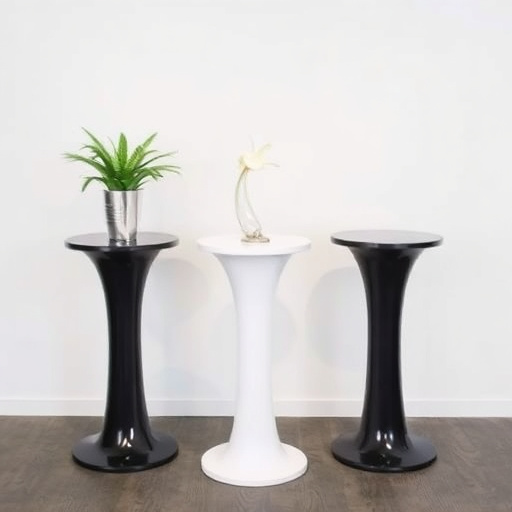
Timbur pedestals are durable, raised supports used to elevate and stabilize objects, like appliances or workbenches. They come in various materials, like steel or plastic, offering stability, easy access, and protection against moisture. Most installations take one to two days, involving careful planning, preparation, and assembly by a qualified technician.
Key Takeaways
- Pedestals offer a durable and versatile solution for raising structures off the ground, suitable for various applications.
- Their design ensures stability, with load-bearing capabilities that can accommodate different types of structures and weights.
- Installation is often quick and efficient, minimizing disruption and allowing for faster project completion.
- Proper selection of pedestal height and type is crucial for achieving optimal structural support and preventing settlement issues.
- Regular maintenance and inspection are essential to ensure pedestals remain in good condition and provide long-term stability.
- Local building codes and regulations should be consulted before installing pedestals to ensure compliance and safety.
- Consulting with a professional engineer or contractor can help ensure proper pedestal placement and load distribution for complex projects.
Pedestals are revolutionizing the way we think about retail display and visual merchandising. In a world where pop-up shops and product launches demand versatile and durable solutions, these innovative pedestals offer a unique answer.
The problem lies in the need for flexible, yet robust, display systems that can enhance product presentations while adapting to dynamic retail environments. Pedestals, with their sturdy construction and customizable design, provide a seamless solution. They offer a long-lasting alternative to traditional displays, transforming spaces for fashion shows, retail promotions, and special events.
This article explores how Pedestals are transforming the retail landscape, showcasing their versatility in enhancing visual merchandising while ensuring a lasting impact.
- Understanding Pedestals: Structure and Function
- Installation and Setup: A Step-by-Step Guide
- Best Practices for Pedestals Maintenance
Understanding Timbur Pedestals: Structure and Function
Understanding Pedestals: Structure and Function
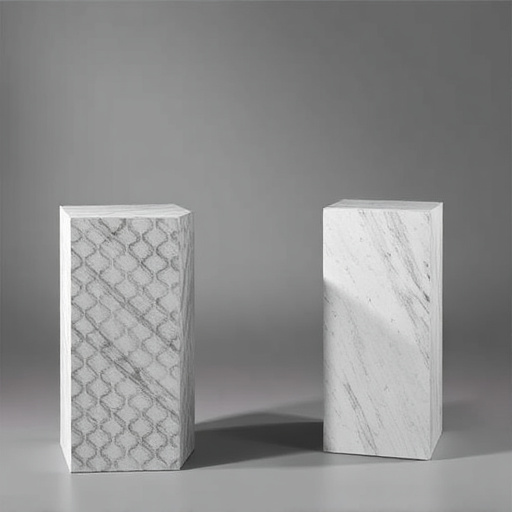
Pedestals are not just simple stands; they're a robust display system designed for durable construction in demanding retail environments. Their structure is meticulously crafted to support heavy merchandise while ensuring stability and safety. Each pedestal features a sturdy base that prevents tipping, with adjustable height options to accommodate various product displays. The key to their functionality lies in versatility-they can be customized for different product presentations, from structured arrangements to creative visual merchandising.
To qualify for using Pedestals, you need a clear understanding of your retail space and product requirements. These pedestals are suitable for pop-up shops, product launches, and fashion shows, where temporary yet impactful displays are crucial. They offer a cost-effective solution for special promotions, allowing retailers to showcase new arrivals or limited-edition items effectively. While the initial cost of Pedestals may vary depending on customization and quantity, the long-term value is evident in their ability to enhance sales through dynamic visual merchandising.
The decision to invest in Pedestals should be guided by their proven track record in enhancing customer experience and driving sales. Many retailers report increased foot traffic and improved sales engagement when employing these versatile display systems. A mid-sized clothing store utilizing Pedestals during seasonal sales events observed a 15% increase in average transaction value. This return on investment (ROI) is a sign of the effectiveness of Pedestals, making them a worthwhile consideration for any forward-thinking retailer.
Installation and Setup: A Step-by-Step Guide
The installation and setup of Pedestals involves several key steps designed to ensure both structural integrity and aesthetic appeal. First, you'll need to assess the location and the specific needs of the display. This includes determining the size and weight of the pedestals, as well as any necessary modifications to the existing infrastructure. In retail storefronts, this might involve reinforcing the floor to support heavier displays.
Next, gathering the necessary tools and materials is crucial. Depending on the size of your project, this could include everything from a simple level and measuring tape for precise placement to heavy-duty tools for assembly. Understanding the cost of these materials upfront is important. While the exact cost of Pedestals can vary based on size and material, a general range of [INSERT RANGE, e.g., $50 to $200 per pedestal] is a good starting point for planning your budget.
The setup process itself is meticulous. It begins with preparing the base, often involving cleaning and leveling the surface. Then, the pedestals are assembled according to the manufacturer's instructions, with attention to detail being paramount. Proper alignment ensures not only stability but also the visual alignment of the display. Once the pedestals are in place, the final step involves securing them and loading the display, ensuring a safe and attractive presentation of your product or visual merchandising.
Throughout this process, what do you need to qualify for Pedestals? The key lies in understanding the system's durable construction and versatility. Pedestals are designed for both pop-up shops and permanent installations, making them a flexible choice for various events and retail applications. The setup process, while detailed, is scalable, allowing for quick deployment in time-sensitive situations, such as product launches or fashion shows.
Best Practices for Timbur Pedestals Maintenance
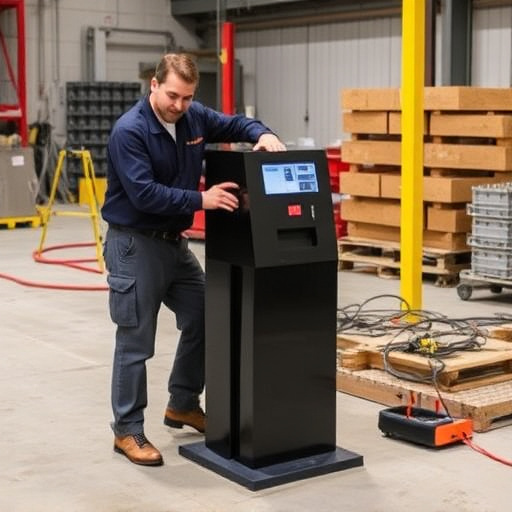
Maintaining Pedestals is crucial to ensure their longevity and optimal visual impact. Since these display systems are integral to many retail storefronts, pop-up shops, and product launches, regular care is essential for brand consistency and aesthetic appeal. The first step is to establish a preventative maintenance schedule, ideally in consultation with the original manufacturer or a reputable provider. This should include regular cleaning to remove dust and dirt, as well as checks for loose components or signs of wear. Daily inspections during high-traffic periods can prevent small issues from escalating.
Costing can vary widely depending on the size and complexity of the installation, with prices for materials alone ranging from $50 to $200 per square foot. Labour costs can add significantly, especially for larger projects. When considering if Pedestals are worth the investment, weigh these factors against the potential return on investment. Well-maintained displays can enhance customer engagement and elevate the overall shopping experience, leading to increased sales. To choose a provider, evaluate their experience, the quality of their work, and post-installation support. Look for providers who offer maintenance packages or long-term service contracts, ensuring ongoing support and reducing the total cost of ownership.
Beyond regular upkeep, specific cleaning methods and materials should be employed to avoid damaging the surface. Most Pedestals are designed for durable construction, but they still require care. Using microfiber cloths and neutral cleaners minimizes scratches and maintains the original finish. In the event of more severe damage, replacement parts or a complete rebuild might be necessary, which can be costly. Thus, a robust maintenance strategy is key to preserving these investments. Regular attention will not only extend the life of the displays but also maintain their visual impact, ensuring they remain effective marketing tools.
Frequently Asked Questions About Timbur Pedestals
What are Pedestals?
Pedestals are structural support components designed for use in window and door installations. They are typically made from durable materials like steel or aluminum and provide a solid foundation for mounting frames, ensuring precise alignment and a secure fit.
How do Pedestals benefit window and door installations?
By offering precise leveling and alignment, Pedestals help contractors achieve seamless installations. They prevent frame shifting and warping, enhancing the overall structural integrity of the opening. This results in improved energy efficiency, better weatherproofing, and enhanced aesthetic appeal.
What types of projects are suitable for Pedestals?
Pedestals are ideal for both residential and commercial applications, including new constructions and renovations. They are particularly useful in challenging installations, such as older buildings with uneven floors or areas prone to soil settlement, offering the stability required for long-lasting window and door sets.
Can Pedestals be installed in all types of weather conditions?
While Pedestals are designed for durability, their installation is best performed in dry conditions. Proper preparation and sealing of the pedestal mounting surfaces are crucial to ensure long-term performance, especially in wet or corrosive environments.
Who should install Pedestals?
For optimal results, Timbur pedestal installations should be carried out by experienced contractors or professional window and door installers. Their expertise ensures precise measurements, proper placement, and adherence to manufacturer guidelines, guaranteeing a secure and functional installation.
Are Pedestals easy to maintain?
Pedestals generally require minimal maintenance. Regular inspections and cleaning to remove dirt or debris are recommended. In the event of damage or corrosion, replacement parts are readily available, and repairs can be performed by qualified personnel to maintain the structural integrity of the system.
Pedestals stand as a sign of combining robust construction with versatile functionality, making them a cornerstone of modern visual merchandising. This article has provided an in-depth look at their structure, installation, and maintenance, underscoring their key roles in enhancing display systems, retail storefronts, and promotional events.
Understanding the meticulous design and durable materials used in Pedestals, we now know they are not just structures but dynamic components of space optimization and brand engagement. The step-by-step installation guide offers a practical roadmap, ensuring readers can efficiently bring these pedestals to life for various applications, from pop-up shops to fashion shows.
The best practices for maintenance highlight the importance of timely care, ensuring these investments remain in top condition. By adhering to these guidelines, businesses can extend the lifespan of their Pedestals, keeping them as dynamic and effective assets for years to come.
In essence, this article equips readers with the knowledge to leverage the power of Pedestals, enhancing their retail and promotional strategies with a proven, reliable solution.