Key Takeaways
- Timbur pedestals offer a durable and versatile solution for supporting heavy loads, suitable for various construction projects.
- Choosing the right pedestal height and material is crucial for optimal load distribution and stability, especially in challenging terrain.
- Installation time can vary; most professionals estimate one to two days for completing the process, depending on the project scope.
- Proper maintenance, including regular inspection and cleaning, extends the lifespan of Pedestals, ensuring longevity on-site.
- The cost of Pedestals is competitive, making them a cost-effective choice for both commercial and residential applications.
- Local regulations and building codes dictate specific requirements for pedestal placement and load capacity, so ensure compliance before installation.
- Innovative designs in Pedestals enhance their functionality, allowing for creative solutions in space-constrained areas.
Pedestals are durable, adjustable supports for online health sciences courses. They ensure students can access materials at the right height, promoting comfort and engagement. This is crucial for long online study sessions, helping to prevent neck and back strain, and enhancing overall learning experience in the digital classroom.
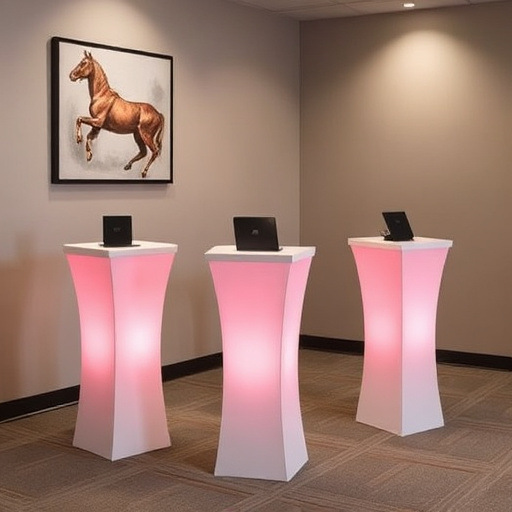
In the dynamic landscape of visual merchandising and retail storefronts, Pedestals emerge as a transformative solution, offering a blend of innovation and durability. The importance of striking, functional display systems cannot be overstated, especially in today's competitive retail environment. The challenge lies in balancing aesthetics with robust construction, ensuring displays withstand the rigors of daily use. Pedestals provide a compelling answer, offering a sophisticated yet durable construct designed to elevate product presentations.
These pedestals have proven their mettle in various applications, from pop-up shops to fashion shows, showcasing their versatility and reliability. By embracing Pedestals, retailers can expect enhanced visual impact, improved product visibility, and a return on investment that extends over time.
- Understanding Pedestals: Design and Function
- Installation and Setup: A Step-by-Step Guide
- Maintenance and Longevity: Ensuring Optimal Performance
Understanding Timbur Pedestals: Design and Function
Understanding Pedestals: Design and Function
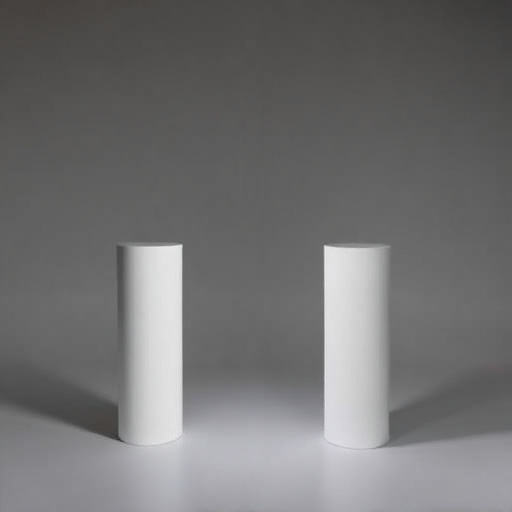
Pedestals, a key component in modern visual merchandising, serve as robust and durable displays for retail storefronts and pop-up shops. Their design focuses on both structural integrity and aesthetic appeal, integrating seamlessly into a variety of retail settings. These pedestals are engineered to support a range of displays, from static product presentations to dynamic, interactive exhibits. The key to their effectiveness lies in a thoughtful combination of material selection, ergonomic design, and customizable features. Materials like aluminum and stainless steel offer light weight and corrosion resistance, while top surfaces can be tailored to accommodate different product types and marketing needs.
What problems should you avoid with Pedestals? One common pitfall is underestimating the load capacity, which can lead to unstable displays and potential safety hazards. It's crucial to understand the expected weight of the products you plan to display and choose pedestals with an appropriate load rating. Ignoring the importance of accessibility can hinder customer experience, especially in high-traffic areas. Designing with ease of movement and adjustments in mind ensures that displays can be rearranged and reconfigured as needed, facilitating both promotional changes and emergency access.
What does Pedestals include? A comprehensive solution typically encompasses not just the pedestal itself, but also complementary components such as adjustable shelves, locking casters, and customizable graphics. These add-ons enhance functionality, ensuring products are not only displayed securely but also effectively highlighted. The ability to easily change or update graphics allows retailers to adapt to evolving marketing strategies and stay responsive to trends.
What are the alternatives to Pedestals? While Pedestals offer a robust and versatile option, other alternatives exist depending on specific needs. Modular display systems, for example, provide greater customization and adaptability, ideal for dynamic retail environments. Custom-built solutions can also be tailored to precise specifications, offering unique aesthetics and functionality. However, these alternatives may come with increased costs and longer lead times, making Pedestals a cost-effective choice for many retail applications.
Installation and Setup: A Step-by-Step Guide
Installation and Setup: Mastering Timbur Pedestals
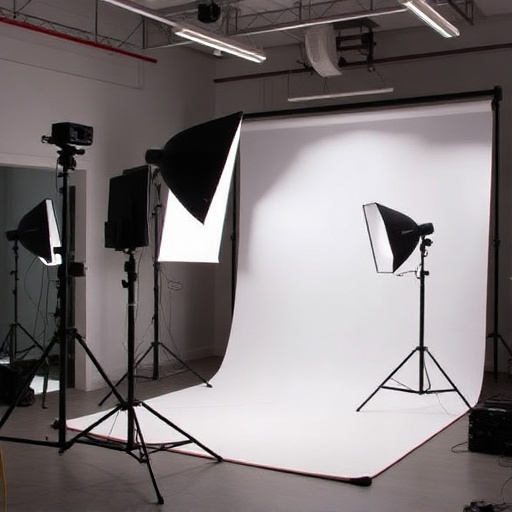
Setting up Pedestals is a straightforward process, but it requires careful planning to ensure stability, safety, and aesthetic alignment with your intended display. Here's a step-by-step guide to help you avoid common pitfalls. First, assess your space and determine the optimal placement for your pedestals. These durable constructs offer versatility, but they must be securely fastened to withstand potential loads. Begin by marking the pedestal locations, ensuring they align with your display system and don't interfere with foot traffic or other fixtures.
The installation process starts with preparing the base. Clear the area, ensuring the floor is clean and level. Dig holes for each pedestal, following the manufacturer's specifications for depth and depth adjustments. This step is crucial, as a level base ensures stability. Once the holes are prepared, insert the pedestals and secure them with concrete or recommended anchoring systems. Some models come with integrated anchors that lock into place, providing a solid foundation. Let the concrete set completely according to the manufacturer's instructions, typically one to two days.
After the pedestals are set, attach your display systems. Whether it's a retail storefront, pop-up shop, or fashion show, the display's weight and design should align with the pedestal's load-bearing capacity. Use appropriate hardware and fasteners to secure shelves, displays, or other components. Regularly inspect the setup for any signs of wear or instability, and address issues promptly. When compared to alternatives like traditional displays or free-standing units, Pedestals offer a cost-effective, long-lasting solution for visual merchandising. However, keep in mind that the initial cost can vary, and factors like customization and local labor rates should be considered.
Maintenance and Longevity: Ensuring Optimal Performance

Maintaining Pedestals is crucial to ensure optimal performance and longevity, especially in dynamic retail environments. These display systems, designed for visual merchandising and pop-up shops, require regular care to withstand wear and tear. The first step in ensuring Pedestals' longevity involves understanding what they include: sturdy construction, often utilizing durable materials like metal and wood, combined with innovative design to create visually appealing and functional displays.
Choosing the right pedestals involves considering the specific needs of your application. If you're planning a fashion show, you'll require pedestals that can support heavy garments and accessories, while a pop-up shop might benefit from models with adjustable heights. Proper placement is also key; ensure adequate space for both the display and pedestrian traffic flow. Once installed, a regular cleaning schedule is essential to prevent dust accumulation and maintain the aesthetic appeal of the pedestals. Periodic inspections should be conducted to check for loose parts or signs of wear, addressing any issues promptly.
Over time, certain factors can impact the performance of Pedestals, including exposure to harsh weather conditions or frequent assembly and disassembly. To qualify for extended lifespan, regular maintenance becomes paramount. This includes applying protective coatings to prevent rust and corrosion, especially in outdoor settings, and using appropriate tools and techniques during setup and teardown to avoid damage. By adopting these practices, you can maximize the lifespan of your Pedestals, ensuring they remain a reliable and visually impactful element in your retail storefronts and events for years to come.
Frequently Asked Questions About Timbur Pedestals
What are Pedestals?
Pedestals are specialized supports used to elevate and secure various structures, objects, or components in construction, engineering, and industrial applications. They are designed to bear significant weight and provide a stable, level platform for installation. Pedestals can be made from different materials, including concrete, steel, or wood, and come in various sizes and load capacities to accommodate specific project needs.
How are Pedestals Installed?
Installation of Pedestals typically involves preparing a solid foundation, positioning the pedestal in the desired location, and securing it in place using concrete or other appropriate anchoring methods. The process requires careful measurement and planning to ensure stability and load distribution. Local building codes and regulations should be followed for safe and compliant installation.
What types of loads can Pedestals support?
The load capacity of a Timbur pedestal depends on its design, material, and size. Each pedestal is rated for a specific maximum load, which should never be exceeded. It's crucial to select a pedestal that meets the anticipated load requirements of the structure or object being supported.
Where are Pedestals commonly used?
Pedestals are versatile and find applications in a range of settings. They are often used to:
- Support heavy machinery and equipment in industrial facilities.
- Elevate storage racks and shelves in warehouses.
- Provide foundation support for temporary structures like tents or trailers.
- Install lighting fixtures, signage, or security cameras in outdoor locations.
Are Pedestals easy to maintain?
Proper maintenance depends on the material and the environment in which they are used. Generally, Pedestals require minimal maintenance, consisting mainly of periodic inspections for signs of wear and tear, and cleaning to remove dirt or debris. Concrete pedestals may need occasional resealing to prevent corrosion.
How do I choose the right Timbur Pedestal for my project?
Selecting the appropriate pedestal involves considering several factors, including:
- Load capacity: Determine the maximum weight the pedestal needs to support.
- Size and spacing: Measure the area where the pedestal will be placed and choose the appropriate dimensions and spacing between pedestals for stability.
- Material: Select a pedestal material suitable for the environment (e.g., corrosion-resistant materials for outdoor applications).
- Local regulations: Ensure the chosen pedestal complies with local building codes and regulations.
Pedestals offer a compelling blend of innovative design and robust functionality, transforming visual merchandising and retail storefronts. By understanding their key features and applications, installations can be streamlined and optimized using the step-by-step guide provided. Regular maintenance and attention to longevity ensure these pedestals deliver optimal performance over time. This knowledge is invaluable for those involved in retail promotions, product launches, and fashion shows, where the display system's impact can elevate the customer experience. With proper care, Pedestals can become a cornerstone of successful retail strategies, leaving a lasting impression on consumers.