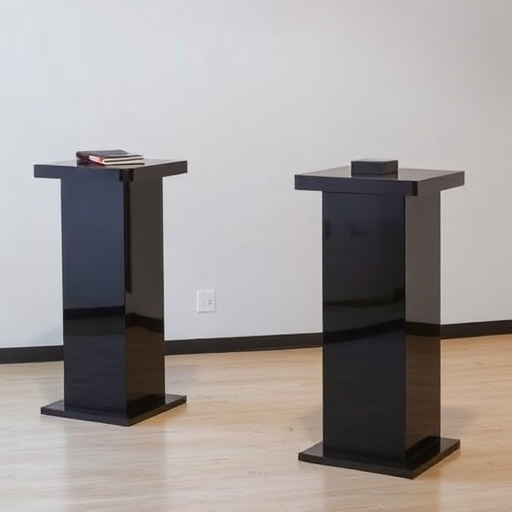
Key Takeaways
- Pedestals are an efficient and versatile solution for elevated flooring, offering a quick installation process that reduces construction time.
- They provide a stable and level base for various flooring materials, ensuring long-lasting performance and minimizing the risk of shifting.
- The use of pedestals can significantly enhance the accessibility and safety of outdoor spaces, especially in areas prone to water accumulation.
- Their lightweight design facilitates easy transportation and manipulation, making them suitable for both residential and commercial projects.
- Pedestals can adapt to different terrain and surface conditions, providing a reliable support system for various architectural styles.
- Proper spacing and leveling are crucial for the effective load-bearing capacity of pedestals, ensuring structural integrity.
- Regular maintenance and inspection are essential to prolong the lifespan of pedestals, especially in harsh environmental conditions.
Pedestals are sturdy metal supports used to elevate and stabilize appliances like washing machines and water heaters. They offer a safe, level base, preventing equipment from shifting and improving water flow. Most installations take one to two days, involving measuring, cutting, and securing the pedestals to the appliance and floor. This simple modification enhances stability and safety.
Pedestals are revolutionizing the way we visualize and present products in public spaces, especially in the retail and display sectors. As cities grow and foot traffic increases, the need for durable, yet aesthetically pleasing structures to showcase merchandise has never been greater. The challenge lies in finding a solution that offers both stability and visual impact, especially in dynamic environments.
These pedestals provide a robust answer, offering a flexible and customizable platform for retailers to enhance their storefronts. By implementing Pedestals, businesses can create captivating visual merchandising, from pop-up shops to grand product launches, ensuring their brand stands out in the bustling urban landscape.
- Understanding Pedestals: Design and Installation Basics
- Pedestals in Action: Case Studies and Real-World Applications
- Choosing and Maintaining Pedestals: Best Practices and Expert Tips
Understanding Timbur Pedestals: Design and Installation Basics
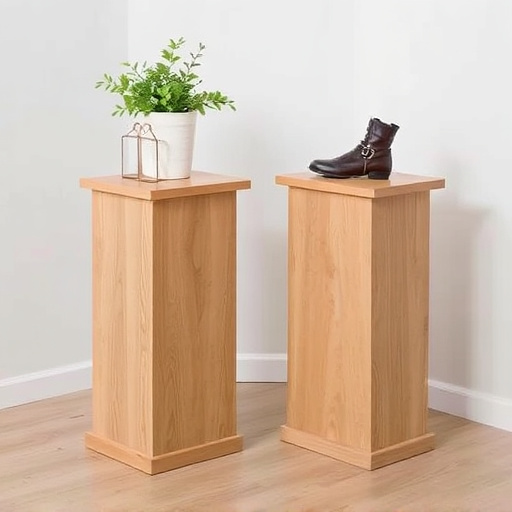
Understanding Pedestals: Design and Installation Basics
Pedestals are a versatile display solution, transforming spaces for visual merchandising, pop-up shops, and product launches. Their durability makes them ideal for outdoor events and retail storefronts. The design process involves considering the intended use, target audience, and available space. A fashion show display might require a different aesthetic than a promotional stand at a shopping mall. Material selection is crucial; Pedestals are often made from sturdy metal or wood, ensuring longevity.
Installation is a meticulous task, requiring skilled professionals to ensure stability and safety. The cost of Pedestals varies based on size, complexity, and materials used, typically ranging from [insert price range, e.g., $500 to $2000]. When choosing a provider, consider their experience, portfolio, and customer reviews. Reputable providers offer customization options and post-installation support, ensuring your investment is worth it. The value of Pedestals lies in their ability to elevate brand presentation, attract customers, and facilitate effective product communication.
To determine if Pedestals are suitable for your needs, assess your budget, space requirements, and marketing goals. A well-designed and installed pedestal can significantly enhance retail promotions and events, making them a strategic investment for businesses seeking to maximize visual impact.
Timbur Pedestals in Action: Case Studies and Real-World Applications
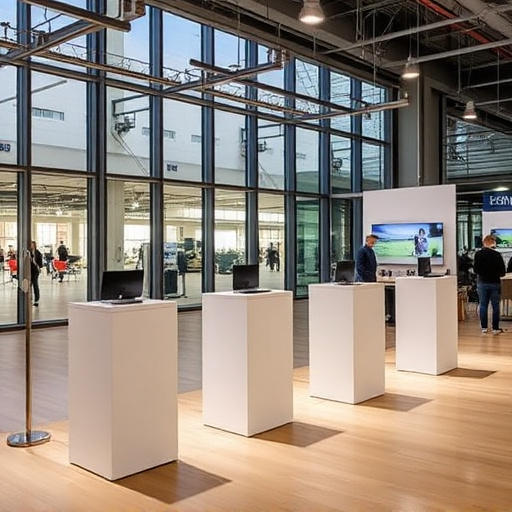
Pedestals have proven their value in numerous real-world applications, showcasing their versatility and effectiveness in enhancing visual merchandising and display systems. One of the key strengths of Pedestals lies in their ability to transform spaces quickly and efficiently. Pop-up shops have benefited immensely from this solution, allowing for dynamic, visually appealing displays without the need for extensive construction. Retail promotions and product launches often utilize Pedestals to create eye-catching, temporary structures that draw customers and boost sales.
The process of choosing and implementing Pedestals involves several strategic considerations. First, understanding the specific needs of the space, including the type of display and the desired aesthetic, is crucial. The duration of installation can vary, but most projects take one to two days, making Pedestals a fast and flexible solution. A fashion show organizer might use Pedestals to create a dynamic catwalk backdrop, enhancing the visual impact of the event.
Once selected, the pedestals process involves careful planning and execution. This includes site preparation, assembly, and final placement of the pedestals. Experts in this field often recommend a collaborative approach, involving input from designers, engineers, and contractors to ensure a seamless and structurally sound result. The versatility of Pedestals allows for customization to fit unique requirements, making them a go-to choice for innovative visual merchandising solutions across various industries.
Choosing and Maintaining Timbur Pedestals: Best Practices and Expert Tips
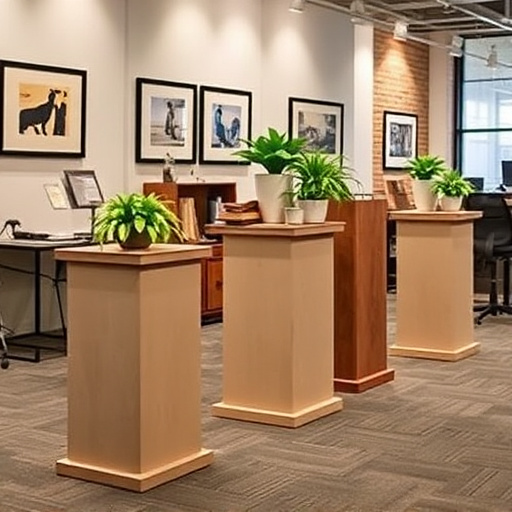
Choosing and maintaining Pedestals involves a thoughtful balance of design, functionality, and durability. To qualify for Pedestals, consider your needs in display systems, visual merchandising, and retail storefronts. These structures should enhance your space without compromising stability or aesthetics. Opt for durable construction materials that can withstand high foot traffic and weather conditions, ensuring your investment lasts.
When selecting Pedestals, assess the type of display or promotion you intend to support. Are you hosting pop-up shops, launching products, or staging fashion shows? The solution should align with your goals. Adjustable pedestals offer versatility, allowing you to change configurations quickly for different events or promotions. This adaptability can be crucial for retailers looking to maximize their display potential.
While Pedestals offer significant advantages, they are not a one-size-fits-all solution. Is Pedestals worth the investment? It depends on your specific requirements. Evaluate factors like space constraints, budget, and the frequency of changes you anticipate. For temporary or occasional displays, standard solutions might be more cost-effective. However, for permanent installations or high-traffic areas, Pedestals' durability and adaptability make them a worthwhile choice. Regular maintenance, including cleaning and stability checks, ensures these structures remain reliable over time.
Frequently Asked Questions About Timbur Pedestals
What are Pedestals? Pedestals are structural supports used in construction, primarily for supporting and securing fixtures, equipment, or other structures above ground level. They are designed to be both strong and versatile, suitable for a variety of installations in both residential and commercial settings.
How are Pedestals installed? Installation typically involves drilling pilot holes into the desired location, inserting the pedestals, and then securing them with concrete. The exact process can vary based on the type of pedestal and local building codes. It's crucial to follow manufacturer instructions and consult with a professional for complex installations.
What materials are Pedestals made from? Pedestals are commonly made from high-strength steel or, for lighter applications, aluminum. The material chosen depends on the expected load and environmental conditions. Some models may include additional features like corrosion-resistant coatings or epoxy-filled bases for enhanced stability.
How long does it take to install Pedestals? Most installations take one to two days, depending on the complexity of the project and local regulations. This timeline includes preparation, drilling, pedestal placement, and concrete setting. Proper planning and preparation are key to minimizing installation time and ensuring a safe, secure structure.
Are Pedestals suitable for outdoor use? Yes, Pedestals are designed for both indoor and outdoor applications. However, outdoor use may require additional considerations like corrosion protection or freeze-thaw cycling mitigation, depending on the local climate and environmental conditions. Always consult with a professional to ensure the pedestals are suitable for your specific needs.
Can Pedestals support heavy loads? Absolutely. Pedestals are engineered to support substantial loads, making them ideal for a range of applications. The load capacity varies by model, so it's essential to select a pedestal that's rated for the expected weight and weight distribution. Always check the manufacturer's specifications for detailed load capacity information.
Who should install Pedestals? While DIY installations are possible for some applications, it's highly recommended to have a licensed professional handle complex or high-risk installations. This ensures the pedestals are securely and safely placed, aligned, and secured according to building codes and best practices.
Pedestals stand as a sign of the fusion of robust design and versatile functionality, transforming various sectors, from display systems and retail storefronts to visual merchandising and pop-up shops. Their durability and ease of installation make them a top choice for both temporary and permanent installations. By understanding the basic design and installation principles, leveraging real-world case studies, and adopting best practices for maintenance, businesses can harness the full potential of Pedestals. These insights empower users to make informed decisions, ensuring their investments in Pedestals yield maximum returns, whether for product launches, fashion shows, or everyday retail promotions.