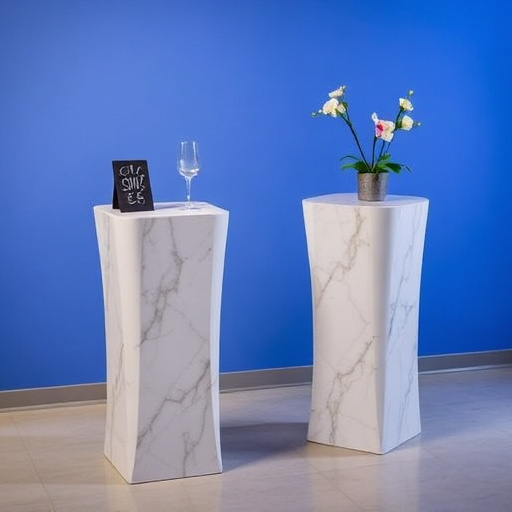
Timbur pedestals are sturdy metal supports used to elevate and secure objects off the ground. They are commonly employed in construction, landscaping, and industrial settings for various purposes. These pedestals offer a reliable solution for creating elevated platforms, supporting heavy equipment, or installing fixtures at a higher level, ensuring stability and safety.
Key Takeaways
- Timbur pedestals offer a durable and versatile solution for raising structures off the ground, providing stability and protection against moisture.
- They are particularly well-suited for applications in humid environments and can extend the lifespan of buildings and infrastructure.
- Installation is relatively quick and easy, often taking only one to two days, minimizing construction time and disruption.
- The weight-bearing capacity of Pedestals can vary, so careful selection is crucial to ensure structural integrity for any given project.
- Proper drainage systems should be integrated with pedestal installations to prevent water accumulation and potential damage to the supported structure.
- Local building codes and regulations should be checked before using Pedestals, as requirements for load bearing and clearance can vary.
- Regular maintenance, including inspection and cleaning, is essential to prolong the lifespan and maintain the integrity of the pedestals and the structures they support.
Pedestals are transforming the way we experience public spaces, especially in the realms of display systems, retail storefronts, and visual merchandising. These durable construction solutions offer a versatile, modular approach to structuring temporary and pop-up installations. However, the challenge lies in finding a system that seamlessly balances functionality, aesthetics, and longevity. This article examines how Pedestals meet this need, exploring their diverse applications from product launches and fashion shows to retail promotions, all while providing a robust and efficient solution for various events and settings.
- Understanding Pedestals: Basics and Benefits
- Installation and Setup: A Step-by-Step Guide
- Maintenance and Best Practices for Longevity
Understanding Timbur Pedestals: Basics and Benefits
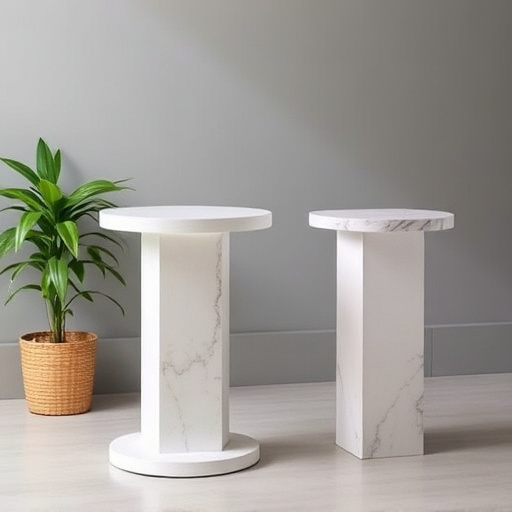
Pedestals are a versatile display system designed to enhance visual merchandising in retail storefronts. Their key advantage lies in their durability and adaptability, making them suitable for various applications. These pedestals can support displays, products, and even multimedia elements, transforming spaces into captivating retail environments. They are a favorite among retailers for pop-up shops, product launches, and fashion shows, where quick setup and takedown are essential.
The benefits of Pedestals are multifaceted. First, their robust construction ensures longevity, which is crucial for high-turnover retail spaces. Second, they offer a cost-effective solution for retailers, with prices varying based on size, material, and customization. A standard model might range from $100 to $300, while bespoke designs can cost significantly more. Installation is swift, often taking just one to two days, allowing businesses to maximize their floor space and promotional opportunities. However, the timeline can depend on the complexity of the setup and local labor rates.
When considering alternatives, it's essential to weigh the specific needs of your retail space. Traditional display racks and shelves are simpler and cheaper but offer fewer customization options. Modular furniture systems provide more flexibility but may not have the same visual impact as dedicated display systems like Pedestals. The choice ultimately depends on the desired aesthetic, budget, and the nature of the retail operation. A fashion boutique might opt for Pedestals for their ability to showcase garments, while a grocery store could use modular displays for arranging products on multiple levels.
Installation and Setup: A Step-by-Step Guide
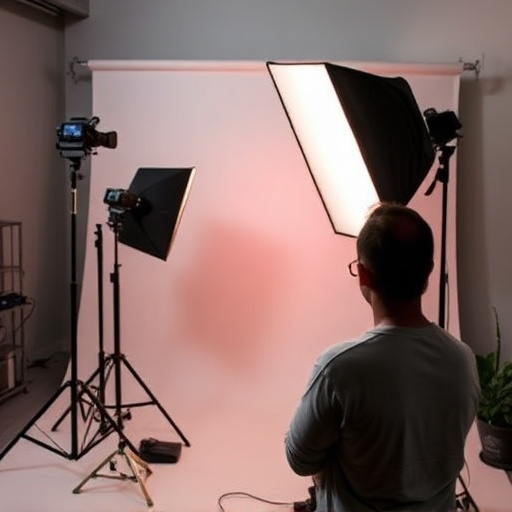
The installation and setup process for Pedestals involves several key steps to ensure a successful and durable display system. First, you'll need to carefully assess the space where the pedestals will be placed, taking into account the dimensions, load capacity, and accessibility. This is crucial, as Pedestals are designed to support significant weight, making proper placement vital for safety and stability. Once the location is determined, the next step is to prepare the surface. This typically involves cleaning and, if necessary, reinforcing the floor to meet the pedestals' requirements.
Choosing the appropriate Pedestals for your needs is a critical step in the process. Consider factors like the type of products you'll be displaying, the expected weight, and the aesthetic you want to achieve. Timbur offers a range of models designed for different applications, from pop-up shops to fashion shows. Their heavier-duty pedestals are ideal for retail promotions where larger, heavier items need to be displayed securely. After selecting the right pedestals, the installation team will place the pedestals at the desired locations, ensuring they are level and aligned correctly. This often requires precise measurements and adjustments to meet the project's exacting standards.
The actual assembly of the pedestals involves connecting the base, legs, and any additional components according to the manufacturer's instructions. This typically includes tightening bolts and securing brackets. Proper installation ensures the pedestals can withstand the forces applied during regular use. In a retail storefront, the pedestals must support the weight of products and any associated signage without wobbling or shifting. Once assembled, the display system is ready to be stocked with products or equipment, providing a robust and visually appealing solution for various events and permanent retail installations.
Maintenance and Best Practices for Longevity
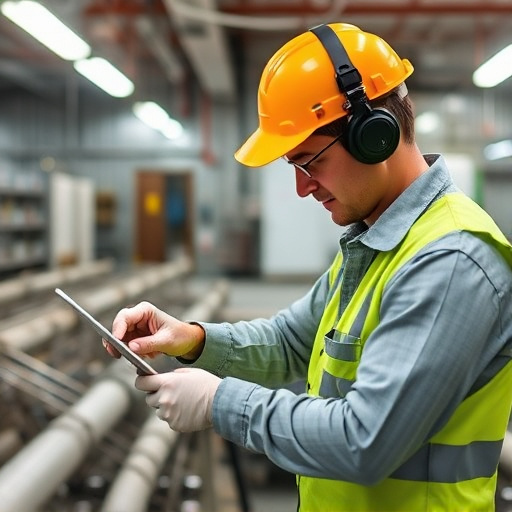
The longevity and continued effectiveness of Pedestals depend significantly on proper maintenance and adherence to best practices. This includes regular cleaning, inspection, and, where necessary, repair. A well-maintained pedestal can serve for years, making it a robust investment for any business leveraging Pedestals for visual merchandising, product displays, or event setups.
Choosing the right pedestal for your application is crucial. The process involves understanding your specific needs-for example, weight capacity, material durability, and aesthetic requirements. Pedestals, known for their strength and versatility, come in various models designed to accommodate different display systems and storefront styles. Once selected, the installation process typically takes 1-2 days, depending on the complexity of the setup and local conditions. This timeline ensures minimal disruption to your operations and allows for a thorough testing phase.
Regular cleaning is essential to preserve the aesthetics and structural integrity of the pedestals. Depending on the environment, this could mean weekly or monthly cleaning, especially in retail spaces with high foot traffic. Inspecting for signs of wear and tear is equally vital. Regular maintenance checks can prevent minor issues from escalating, saving you from costly repairs. Checking for loose bolts or damaged paintwork can be a simple, time-saving practice that significantly extends the life of your Pedestals.
Frequently Asked Questions About Timbur Pedestals
What are Pedestals? Pedestals are specialized support structures used to elevate and secure various objects, such as signs, lighting fixtures, or security cameras, above the ground. They are designed to provide stability, durability, and easy access for maintenance and adjustments.
How are Pedestals installed? Installation typically involves preparing the ground, setting the pedestal in place, and securing it using concrete or other suitable materials. The process may also include attaching the desired object to the pedestal and performing final checks for stability and levelness. Most installations take one to two days, depending on the size and complexity of the project.
What materials are used to make Pedestals? Pedestals can be made from a variety of materials, including steel, aluminum, and durable plastics. The choice of material depends on factors such as the intended use, environmental conditions, and budget. Steel pedestals offer high strength and durability but may require more maintenance, while aluminum options are lightweight and corrosion-resistant.
Where are Pedestals commonly used? These pedestals find applications in various settings, including urban streets, parks, airports, and industrial sites. They are particularly useful in locations where a raised or adjustable object needs to be mounted, offering a flexible and secure solution for different needs.
Who should maintain Pedestals? Regular maintenance is crucial to ensure the longevity and functionality of Pedestals. This responsibility often falls on local maintenance crews, facility managers, or specialized service providers. They should inspect the pedestals for signs of wear, corrosion, or damage and perform cleaning, lubrication, and necessary repairs or replacements.
Can Pedestals be customized? Yes, Pedestals can often be customized to meet specific requirements. This customization may include adjusting the height, adding specific mounting points, incorporating lighting or sensor components, or designing them to withstand extreme environmental conditions. A qualified manufacturer or supplier can guide you through the customization process.
What safety considerations should be made when using Pedestals? Safety is paramount when working with Pedestals. Always ensure proper training for installation and maintenance personnel. Follow local regulations and guidelines, and use appropriate personal protective equipment. Regular inspections and maintenance help prevent accidents and ensure the safety of individuals and property.
Pedestals offer a versatile and durable solution for various visual merchandising needs, from pop-up shops to fashion shows. By understanding their key features, like display systems and robust construction, and following a straightforward installation process, businesses can leverage these pedestals for impactful retail storefronts. Regular maintenance and adherence to best practices ensure longevity, maximizing the return on investment. Moving forward, integrating pedestals into your marketing strategy can provide a practical, long-lasting foundation for engaging product displays, enhancing customer experiences, and driving sales in any setting.