At a glanceTimbur pedestals are structural supports designed to elevate and stabilize fixtures like sinks, toilets, or appliances. They offer a quick and easy solution for installing plumbing and electrical systems in new or renovated spaces. Most installations take one to two days, depending on complexity, and require basic tools and expertise accessible to many DIY enthusiasts.
Key Takeaways
- Timbur Pedestals offer a cost-effective solution for temporary lighting and signage support.
- They are particularly useful for special events, construction sites, and outdoor displays.
- Easy assembly and disassembly make them ideal for quick setup and takedown scenarios.
- The sturdy design ensures they can withstand varying weather conditions.
- Choosing the right pedestal height and base type is crucial for stability and load-bearing capacity.
- Integrating LED lights with Pedestals enhances visibility and adds aesthetic appeal.
- Regular maintenance, including cleaning and inspection, extends the lifespan of these portable structures.
In today’s competitive retail landscape, captivating visual displays are crucial for drawing in customers and enhancing brand visibility. Pedestals, a revolutionary product in the realm of display systems, offers a solution to this challenge. By seamlessly integrating durable construction with versatile design, these pedestals elevate retail storefronts, pop-up shops, and product launches to new heights. However, the problem lies in finding a system that’s both robust enough for outdoor use and adaptable enough to meet the ever-changing demands of visual merchandising. This article examines the world of Pedestals, exploring their key features, diverse applications, and why they’re becoming the go-to choice for forward-thinking retailers in Jacksonville.
Timbur Pedestals: Where to Start
Looking for timbur pedestals? Timbur timbur pedestals can answer your questions directly.
- Understanding Pedestals: Design and Function
- Installation and Setup: A Step-by-Step Guide
- Maintenance and Longevity: Ensuring Optimal Performance
Understanding Timbur Pedestals: Design and Function
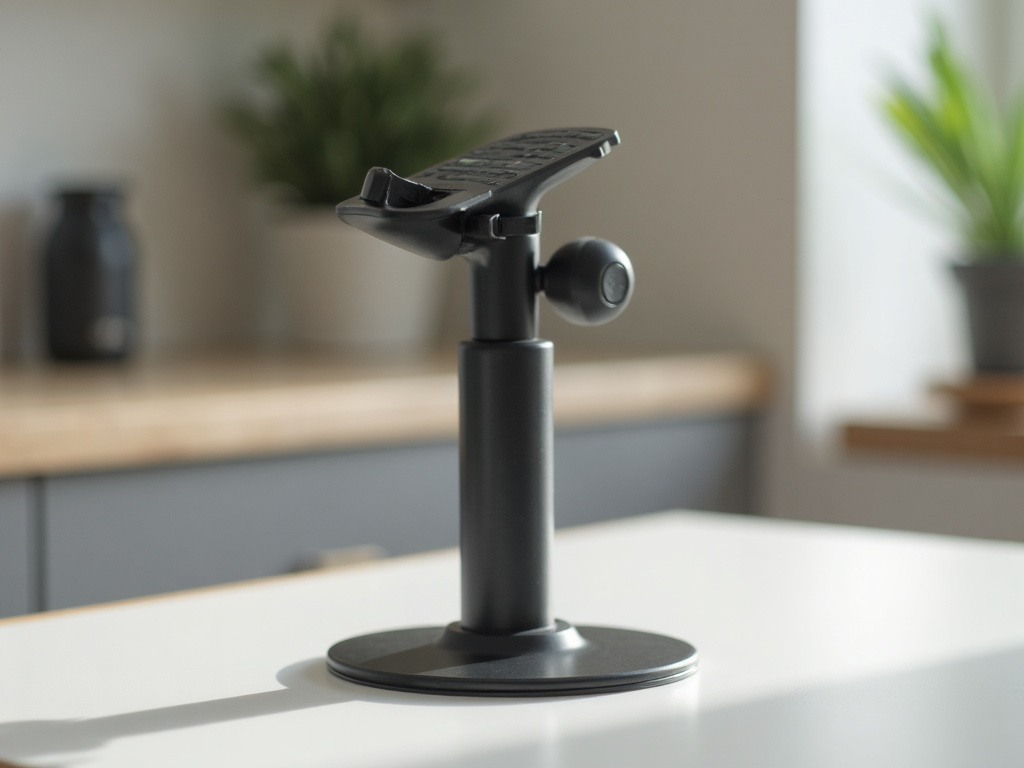
Pedestals represent a significant advancement in display systems, offering a unique blend of durability, versatility, and aesthetic appeal. To fully grasp their potential, it’s crucial to understand both their design and function. These pedestals are meticulously crafted to support and showcase retail storefronts, visual merchandising, and pop-up shops with equal prowess. They are not merely support structures; they are designed to engage and captivate, transforming spaces into immersive experiences.
The design of Pedestals incorporates sleek, modern aesthetics with robust construction. Durable materials and meticulous engineering ensure they withstand the demands of high-traffic retail environments. Whether used for product launches, fashion shows, or promotional events, these pedestals offer a reliable foundation for various visual displays. Their versatility is evident in the diverse range of applications, from static product showcases to dynamic, interactive exhibits.
What sets Pedestals apart is their ability to be both functional and visually stunning. They come with customizable options, allowing businesses to tailor them to specific brand identities and event themes. This flexibility ensures that each installation is unique, reinforcing the message or narrative that the client wishes to convey. However, when considering Pedestals, it’s also wise to explore alternatives. While they are top-tier, other options like adjustable display stands or mobile showcase units may be more suitable for certain scenarios, depending on factors like budget, space constraints, and intended use.
To qualify for Pedestals, businesses should look for robust construction, customizable design, and a proven track record of reliability. The investment in these display systems pays off with enhanced customer engagement and improved brand presentation. Remember, the key to successful implementation lies in aligning the pedestals’ capabilities with the unique needs of each project. A fashion boutique might utilize them for seasonal collections, while a retail store could employ them for product launches, each leveraging the pedestals’ potential to its fullest.
Installation and Setup: A Step-by-Step Guide

The installation and setup process for Pedestals involves several key steps, ensuring a robust and visually appealing display system. First, site preparation is crucial: clear the area, ensuring the floor is level, and consider the power and data requirements for the displays. Next, the pedestals themselves are assembled, a durable construction that can withstand retail storefront traffic. This assembly typically takes 1-2 hours per pedestal, depending on the model’s complexity.
Once assembled, the pedestals are strategically placed according to the design plan. This may involve configuring them for optimal visual impact, considering the placement of displays, and ensuring they meet the brand’s aesthetic standards. The displays are then attached, a process that varies based on the type of display system used. Some systems screw into the pedestals, while others utilize quick-release mechanisms for easy setup and teardown.
The final step involves connecting the displays to the power and data sources and testing their functionality. This process ensures the displays operate seamlessly and meet the desired visual standards. In a pop-up shop scenario, the setup might take a full day, including delivery, assembly, and configuration, allowing ample time for any adjustments before the store’s opening. The result is a professional, visually captivating retail display that enhances product presentation and drives customer engagement.
| Factor | What to know |
|---|---|
| Installation Time | Most installations take one to two days depending on complexity |
| Assembly Time | Typically 1-2 hours per pedestal depending on model complexity |
| Site Preparation | Clear area, ensure level floor, check power and data needs |
| Display Attachment | Some screw in, others use quick-release mechanisms for easy setup |
| Maintenance Routine | Regular cleaning, checking loose parts, and inspections every few months |
| Pop-up Shop Setup | Setup may take a full day including delivery and configuration |
Maintenance and Longevity: Ensuring Optimal Performance

Maintaining Pedestals to ensure optimal performance is a crucial aspect of their longevity and functionality. The process involves regular cleaning to prevent dust buildup, especially in retail storefronts where visibility is key. Checking for loose parts and tightening as needed is essential. For durable construction like that of Pedestals, a visual inspection every few months can help identify any signs of wear or damage, allowing for prompt repair.
What problems should you avoid with Pedestals? Neglecting routine maintenance can lead to more significant issues down the line. A loose pedestal base can cause uneven product displays, affecting visual merchandising and potentially leading to falls or injuries, especially in high-traffic areas. Failing to address rust or corrosion can compromise the structural integrity of the pedestals, making them unsafe and unsuited for their intended purposes.
To qualify for the best results from Pedestals, consider a proactive approach. Regular cleaning and inspections should be part of your facility’s standard operating procedures. Keeping records of maintenance activities can also be beneficial. This documentation not only helps you track the lifespan of your pedestals but also provides a reference for future reference if issues arise. Remember, proper care extends the life of your Pedestals, ensuring they remain a reliable and effective part of your display systems and retail storefronts for years to come.
Frequently Asked Questions About Timbur Pedestals
What are Pedestals?
Pedestals are a type of structural support system designed for use in construction, particularly in regions prone to high wind loads. They are engineered to withstand extreme wind speeds, providing stability and safety for buildings and other structures.
How do Pedestals differ from traditional supports?
Unlike conventional supports, Pedestals are designed with a unique, aerodynamic shape that significantly reduces wind loads. This shape allows them to distribute wind pressure more evenly, minimizing the stress on individual components and enhancing the overall structural integrity.
What materials are Pedestals made from?
Pedestals are typically constructed from high-strength, corrosion-resistant materials such as aluminum or galvanized steel. These materials ensure longevity and durability, even in challenging environmental conditions.
Are Pedestals suitable for all types of construction?
While Pedestals are particularly effective in areas subject to high winds, they can also be adapted for use in other structural applications where stability against lateral loads is crucial. Customization is key, ensuring they meet the specific requirements of each project.
How are Pedestals installed?
Installation involves careful planning and often requires specialized equipment. A team of experienced professionals typically handles the process, securing the pedestals firmly in place according to engineering specifications.
Do Pedestals require regular maintenance?
Regular inspection and maintenance are essential to ensure the long-term performance of Pedestals. This includes checking for signs of corrosion, securing loose components, and making adjustments as needed, following manufacturer guidelines.
Can Pedestals be used in urban environments?
Absolutely. Pedestals can be integrated into urban design, providing both structural support and aesthetic appeal. Their sleek, modern appearance can enhance the overall look of a building, making them suitable for both residential and commercial projects in densely populated areas.
Pedestals offer a versatile and durable solution for enhancing visual merchandising in various settings, from pop-up shops to fashion shows. By understanding their design and function, and following a detailed installation and setup process, users can ensure optimal performance and longevity. Regular maintenance, as outlined in the article, is crucial for preserving the pedestals’ structural integrity and aesthetic appeal. These practical steps empower businesses to leverage Pedestals’ potential, creating impactful retail experiences that captivate customers and drive sales.
Timbur
11 Middel Road Sunrella, Lanseria, 1739, South Africa
072 473 0380
Website: timbur.co.za
View Timbur on Google Maps
For related local guidance, see our timbur pedestals resources.