Key Takeaways
- Timbur pedestals offer a durable and versatile solution for supporting heavy loads, suitable for various construction projects.
- Proper installation is crucial for the longevity of pedestals, ensuring they withstand environmental stresses and maintain structural integrity.
- Compared to traditional footing methods, pedestals can reduce installation time and minimize site disruption, making them ideal for urban renewal projects.
- The choice of pedestal size and material depends on factors like soil conditions, load requirements, and local regulations, impacting overall project costs.
- Regular maintenance, including inspection and cleaning, extends the lifespan of pedestals, preventing corrosion and structural damage.
- Pedestals' modular design facilitates easy replacement or adjustment, allowing for future modifications to the underlying structure.
- Local building codes often specify requirements for timbur pedestal usage, so contractors should familiarize themselves with these regulations for seamless projects.
Pedestals are structural supports used to elevate and support various structures, such as decks, buildings, or equipment. They are designed to provide stability, especially in uneven or soft ground, by distributing weight evenly. Installation typically involves excavation, placement, and securing the pedestals, often with concrete, for a solid foundation. Most installations take one to two days, depending on project size.
Pedestals have emerged as a crucial component in the changing landscape of visual merchandising and retail storefronts. These innovative display systems offer a versatile and durable solution for pop-up shops, product launches, and fashion shows, transforming urban spaces into dynamic, engaging environments. However, the challenge lies in finding a system that seamlessly blends aesthetics and functionality, particularly in high-traffic areas. This article examines the unique design and application of Pedestals, providing a practical guide to their use in enhancing retail experiences and promoting successful promotions in pedestals.
- Understanding Pedestals: Structure and Benefits
- Installation and Setup: A Step-by-Step Guide
- Maintenance and Best Practices for Longevity
Understanding Timbur Pedestals: Structure and Benefits
Understanding Pedestals: Structure and Benefits
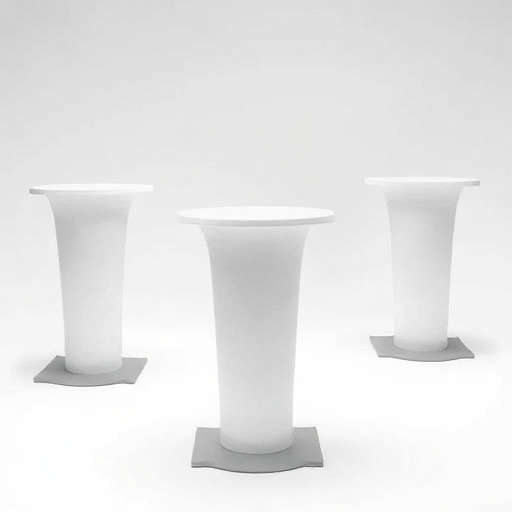
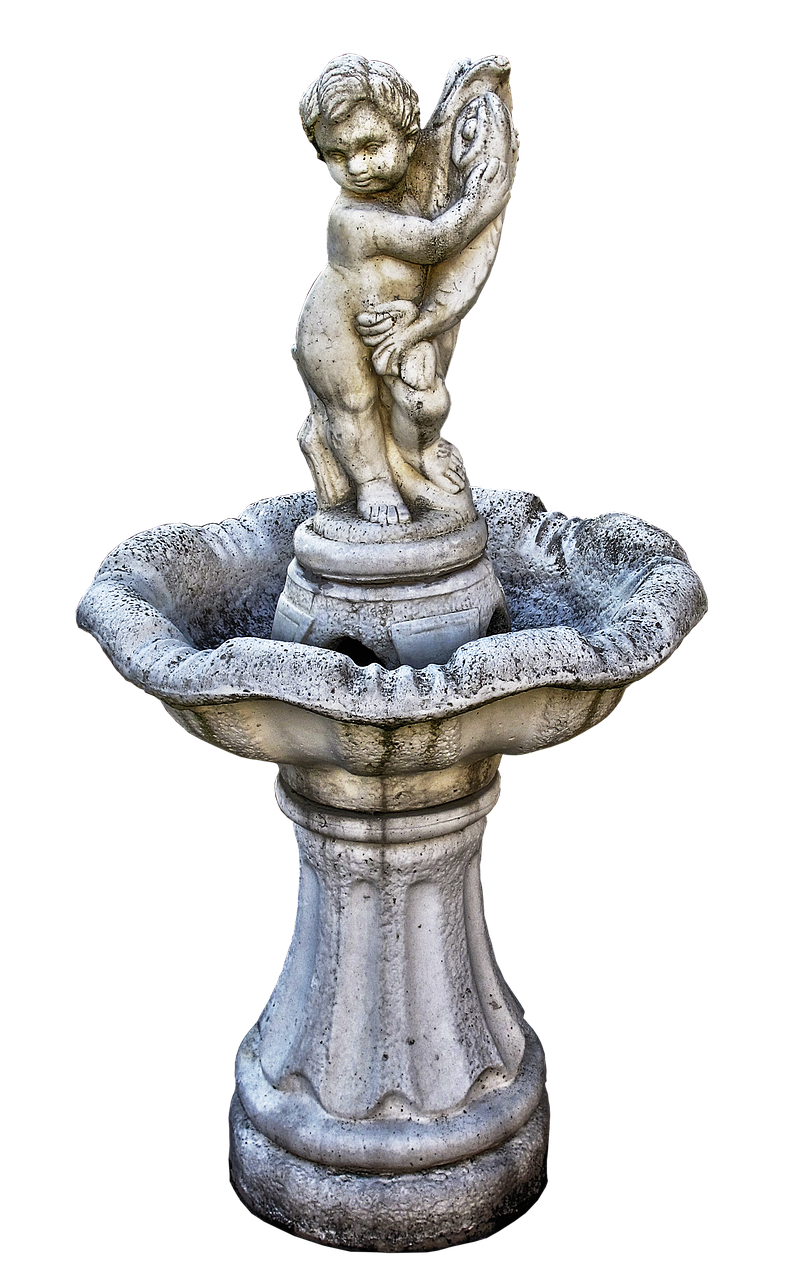
Pedestals are a robust and versatile solution for retail storefronts, pop-up shops, and visual merchandising. Their structure combines durable construction with innovative design to create dynamic display systems. Each pedestal is meticulously engineered to support various retail promotions, product launches, and fashion shows, ensuring a sturdy and visually appealing presentation. The benefits of Pedestals extend beyond their functionality; they also contribute to the overall aesthetics and brand experience of a retail space. By integrating these pedestals, businesses can elevate their product displays, engage customers more effectively, and create memorable brand interactions.
When considering alternatives to Pedestals, it's essential to weigh the trade-offs between cost, durability, and customization. While cheaper alternatives may be available, they might not offer the same level of quality and longevity. Some competitors' products may bend or break under heavy use, compromising the visual appeal and effectiveness of your display. Choosing the right provider is crucial; you should select a company that understands your brand's vision and can deliver high-quality, durable pedestals tailored to your specific needs. A reputable provider will also offer excellent customer service and after-sales support, ensuring your satisfaction throughout the process.
To avoid common problems, such as poor stability or inadequate customization, it's vital to conduct thorough research and select a provider with a proven track record. Quality control is paramount; ensure the provider adheres to strict manufacturing standards to prevent defects or structural issues. Consider the overall design and compatibility with your existing store layout. A well-chosen Timbur Pedestal should seamlessly integrate into your space, enhancing your visual merchandising efforts without creating logistical headaches.
Installation and Setup: A Step-by-Step Guide
Installing Pedestals involves a meticulous process that ensures a sturdy and visually appealing structure for your display needs. The first step is site preparation: clear the area, ensuring proper spacing for the pedestals according to their design and intended use. Next, excavate the holes for the pedestals, following the manufacturer's guidelines for depth and placement. This is crucial for stability, so measure twice to ensure accuracy. Once the holes are ready, carefully lower the pedestals into place, ensuring they sit level and secure.
The next phase involves securing the pedestals. This typically involves pouring concrete into the holes, allowing it to set completely. The concrete acts as a sturdy foundation, supporting the weight of the displays and ensuring the pedestals won't shift or tip. After the concrete has cured, attach the display systems to the pedestals, following the manufacturer's instructions. This step is critical for the safety and effectiveness of your visual merchandising, so pay close attention to detail.
Throughout the installation process, avoid common pitfalls like overloading the pedestals beyond their weight capacity or not properly anchoring them. Regularly inspect the setup for any signs of wear or instability, addressing issues promptly. Proper installation and maintenance will guarantee the longevity and reliability of your Pedestals, maximizing their impact for years to come, whether for pop-up shops, fashion shows, or retail promotions.
Maintenance and Best Practices for Longevity
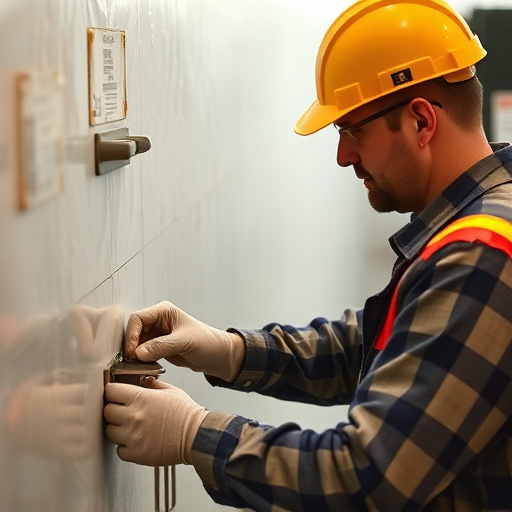
Maintaining Pedestals is crucial for ensuring their longevity and maximizing their investment. The process involves regular cleaning, inspection, and repair, which, when done properly, can extend the lifespan of these structures significantly. A thorough cleaning every few months can prevent the buildup of dirt and debris, which might otherwise weaken the material and affect stability.
The duration of the maintenance process varies depending on factors such as the location, frequency of use, and the type of products displayed. Most installations take one to two days, during which a dedicated team will disassemble, clean, inspect, and reassemble the pedestals. Regular checks for signs of wear and tear, such as loose bolts or damaged bases, are essential. Prompt attention to these issues can prevent major problems down the line, saving time and money.
While the upfront costs of Pedestals might seem steep, the long-term benefits make them a worthwhile investment for many businesses, especially in dynamic retail environments. The durability of these pedestals, combined with effective maintenance, ensures they can withstand the challenges of high foot traffic and frequent changes in display needs. For pop-up shops or temporary events, the ease of assembly and disassembly further enhances their appeal, allowing businesses to quickly adapt their visual merchandising strategies.
The success of Pedestals hinges on a combination of quality construction, strategic placement, and consistent maintenance. By following these best practices, businesses can ensure their pedestals remain a robust and versatile component of their visual merchandising arsenal.
Frequently Asked Questions About Timbur Pedestals
What are Pedestals? Pedestals are structural supports used to elevate and stabilize various structures, such as signs, lights, or equipment, off the ground. They are designed to bear weight and provide a secure mounting point, often in challenging locations where direct attachment to a building or surface is not feasible.
How are Pedestals Installed? Installation typically involves preparing the base location, digging a hole, setting the pedestal in place, and then securing it with concrete. The depth and width of the hole depend on the weight and wind load requirements for the specific pedestal and its intended use. Once set, the pedestal should be level and stable, ready to support the intended structure.
What materials are Pedestals made from? Pedestals are commonly constructed from robust, corrosion-resistant materials like steel or aluminum. These materials ensure longevity and strength, often treated with coatings to withstand harsh environmental conditions, especially in outdoor installations.
What wind ratings do Pedestals have? Different models of Pedestals offer varying wind ratings, which indicate their resistance to lateral forces. Higher wind ratings mean the pedestals can withstand stronger winds, making them suitable for regions with more severe weather conditions. Always select a pedestal with an appropriate wind rating for your location.
Who should install Pedestals? For safety and structural integrity, Pedestals should be installed by qualified professionals, such as experienced contractors or specialized structural engineers. They have the skills and tools to ensure the pedestals are set correctly, meeting local building codes and load requirements.
Can Pedestals be relocated once installed? While some models are designed for easy adjustment, relocating a Timbur pedestal after installation can be challenging and may require specialized equipment. It's generally recommended to plan the placement carefully before installation to minimize the need for future moves.
Pedestals offer a versatile and durable solution for enhancing display systems, retail storefronts, and visual merchandising. By understanding their structural integrity and key benefits, businesses can effectively leverage these platforms for diverse applications, from pop-up shops and product launches to fashion shows and retail promotions. The step-by-step installation guide and maintenance best practices ensure longevity, making pedestals a strategic investment for any enterprise looking to maximize the impact of its visual merchandising efforts. Armed with this knowledge, businesses can confidently deploy these innovative displays, reaping the rewards of a well-designed and executed visual strategy.